Tropical Fish Aquarist
Latest News
|Tropical Fish Aquarist
Latest News

Subscribe

SIGN UP FOR OUR NEWSLETTER

Tropical Fish Aquarist

Latest News

Latest News

Tropical Fish Aquarist

Latest News

Enhancing Aquarium Oxygenation: Beyond the Air Pump

Exploring Effective Methods to Boost Oxygen Levels in Your Fish Tank

Author

Author

Jan 14, 2026
Enhancing Aquarium Oxygenation: Beyond the Air Pump

Optimal oxygen levels are essential for the health and vibrancy of your aquarium’s fish and plants.


Many aquarists use air pumps, but several effective methods can boost oxygenation.


Oxygen primarily enters water through surface agitation, allowing for necessary gas exchange.


It’s a common misconception that air bubbles from pumps infuse oxygen — in reality, it’s surface disruption that matters.


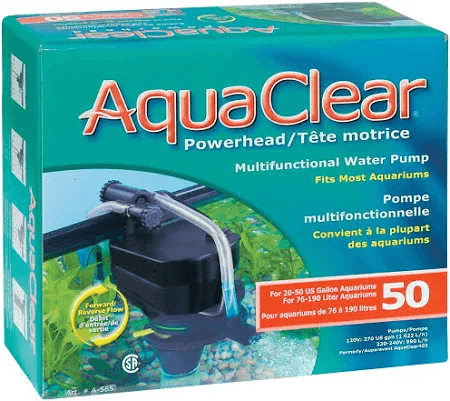
Devices like filter sprays and powerheads, when aimed at the surface, increase agitation and improve oxygen levels.


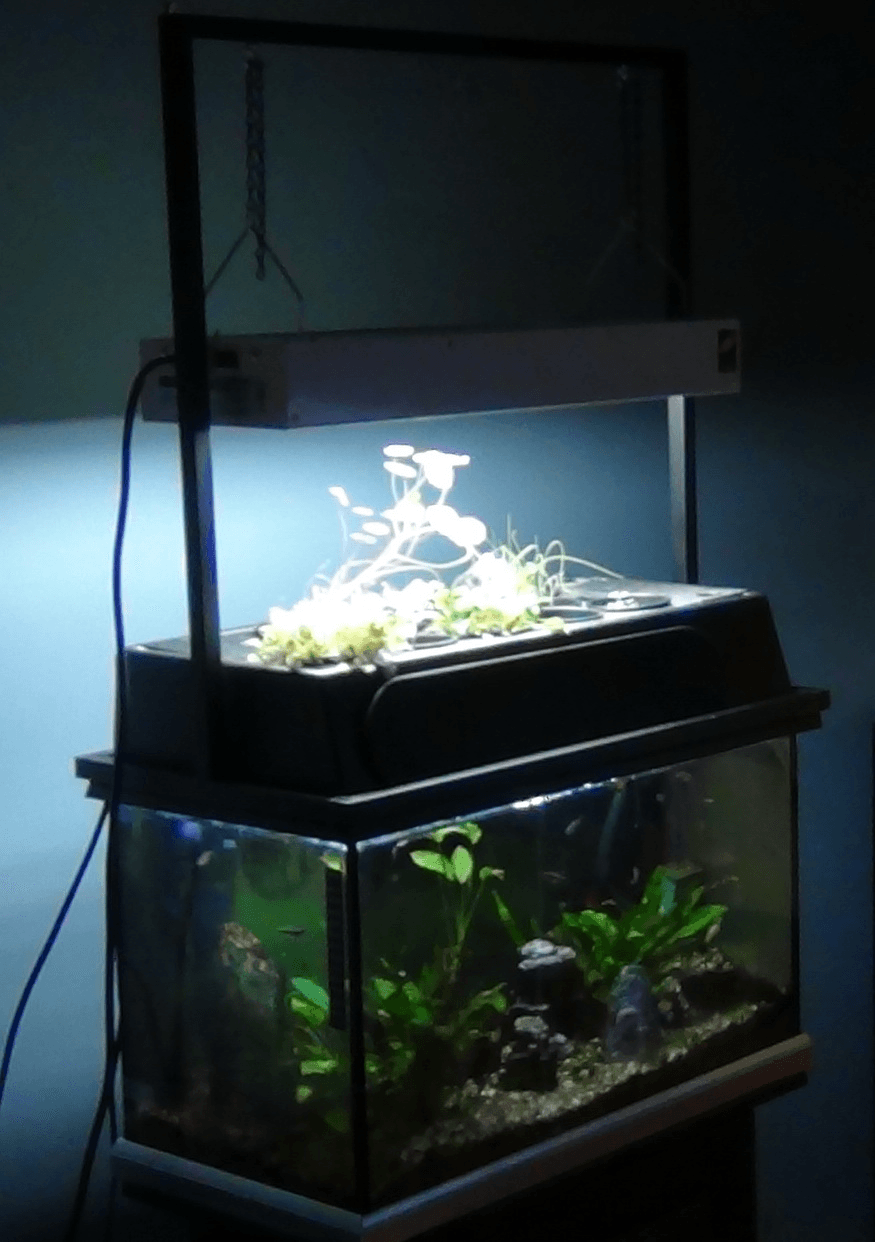
Adding live aquatic plants such as Anacharis, Java Moss, or Amazon Sword harnesses photosynthesis to naturally raise oxygen.


Wet/dry filters expose water to air, efficiently boosting oxygen content.


Regular water changes introduce fresh, oxygen-rich water, while temperature control ensures water holds enough dissolved oxygen.


Monitoring for fish gasping at the surface helps catch low oxygen early, keeping your aquarium balanced and thriving.

Embracing Floating Aquarium Plants: Benefits and Considerations

Exploring the Advantages and Challenges of Incorporating Floating Plants in Your Aquascape

Author

Author

Jan 13, 2026
Embracing Floating Aquarium Plants: Benefits and Considerations

Floating aquarium plants spark lively debate among aquarists.


Some enjoy their lush benefits in every tank, while others face rapid overgrowth or plant decline.


For certain setups, floating plants like water lettuce and duckweed may thrive uncontrollably or struggle with yellowing leaves and detached roots.


Understanding tank conditions, such as calm water, bright light, and available nutrients, is key for success.


Common choices—Red root floaters, Amazon frogbit, and Water spangles—each offer unique visual appeal and shelter for fish.


These plants diffuse light, help control algae, and provide refuge for fry, but may require manual removal or surface skimmers to prevent overgrowth.


With mindful care and attention to growth habits, floating plants can enhance both the health and beauty of your aquarium.

Understanding Aquarium Heaters: Submersible vs. Clip-On Models

A Comprehensive Guide to Choosing the Right Heater for Your Aquarium

Author

Author

Jan 12, 2026
Understanding Aquarium Heaters: Submersible vs. Clip-On Models

Setting up an aquarium involves selecting essential equipment, with the heater being vital for stable water conditions.


Two main options are submersible heaters and clip-on heaters, each offering unique features and installation styles.


Submersible heaters sit directly in the tank, providing efficient and even heat — ideal for larger setups and those prioritizing aesthetics.


Clip-on heaters attach to the rim, keeping controls outside the tank, reducing electrical risks, though sometimes at the expense of uniform heat.


The heart of every heater is its thermostat, with older models relying on a simple bi-metallic strip and newer units showcasing advanced digital controls for more precision.


Many modern heaters now boast automatic shut-off and smart features like Wi-Fi monitoring, giving aquarists greater peace of mind.


Choosing the right heater helps ensure a healthy, thriving aquarium for every aquatic resident.

Red Fish Blue Fish Expands Live Freshwater Tropical Fish Delivery

Greenbank-based retailer now offers a wider selection of tropical species with overnight shipping

Author

Author

Jan 4, 2026
Red Fish Blue Fish Expands Live Freshwater Tropical Fish Delivery

Red Fish Blue Fish, based in Greenbank, Washington, has expanded its offerings to include a vibrant selection of live freshwater tropical fish, bringing new excitement to aquarium enthusiasts across the region.


In addition to its reputation for rare and unique species, the shop now features popular favorites like tetras, barbs, and rasboras, all available for fast overnight shipping through their website.


CEO Jason Blair highlights the company's dedication to quality, ensuring every fish is responsibly sourced from respected European breeders and select wild populations.


Extensive inspection, quarantine, and preventative care guarantee healthy arrivals for customers.


Since launching on Whidbey Island in 2021, Red Fish Blue Fish has gained trust with a focus on nano species and dwarf cichlids, especially Apistogramma.


With an expanding tropical selection, the store continues to meet the growing needs of local hobbyists, offering both quality and convenience.


Invasive Tropical Aquarium Fish Threaten Turkey's Freshwater Ecosystems

Climate Change and Aquarium Trade Amplify Risks to Native Species

Author

Author

Jan 3, 2026
Invasive Tropical Aquarium Fish Threaten Turkey's Freshwater Ecosystems

Turkey’s freshwater habitats face mounting danger from invasive tropical aquarium fish, driven by unregulated pet trades and intensifying climate change.


Non-native species such as goldfish, common carp, and vermiculated sailfin catfish are rapidly multiplying in rivers and lakes, outcompeting native fish and destabilizing ecosystems.


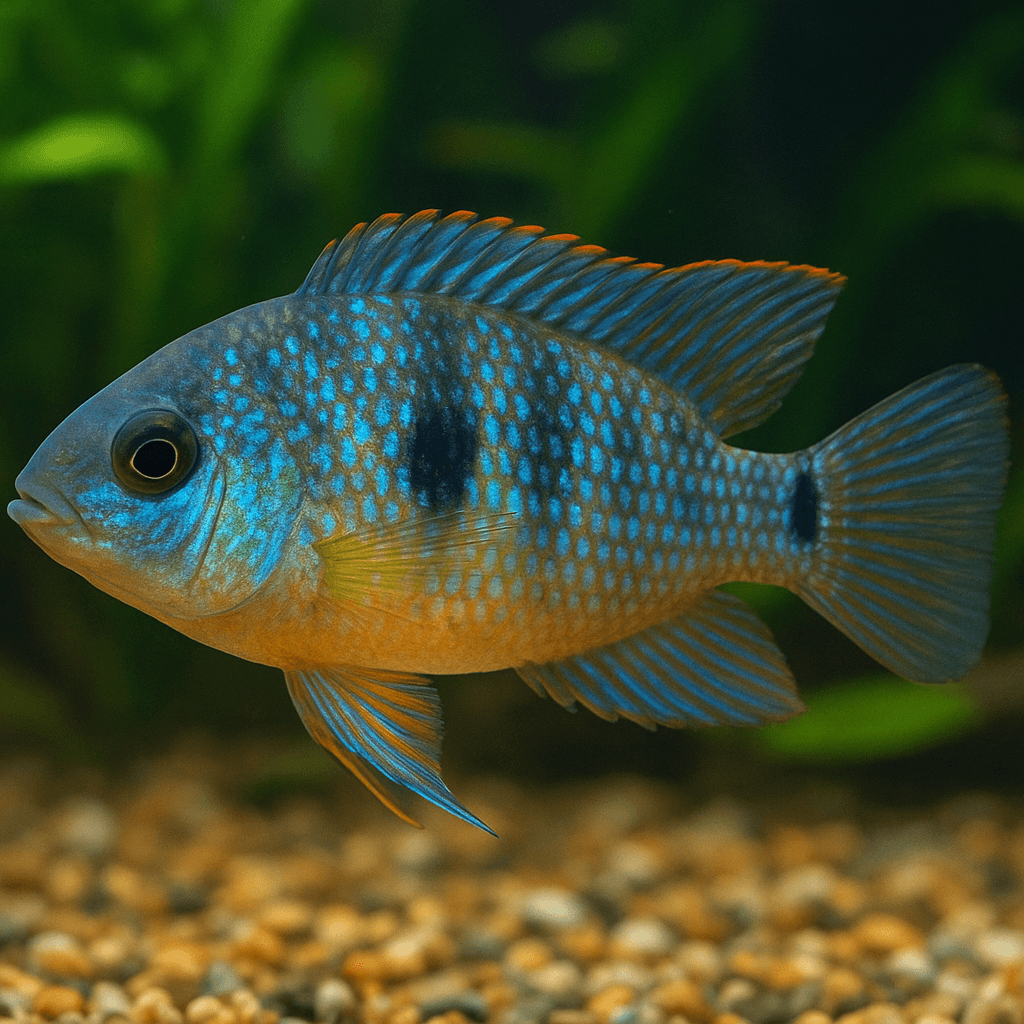
Climate change amplifies this crisis by warming local waters, allowing resilient tropical species like the clown featherback—one of the world’s most aggressive invaders—and jewel cichlid to expand their range and threaten biodiversity.


These species alter habitats, exhaust resources, and often introduce new diseases, creating serious risks for indigenous aquatic life.


Experts urge stricter regulations, targeted removal, and greater public awareness to limit releases and manage established populations.


With swift, coordinated action, Turkey can still protect its unique freshwater life for generations to come.

Essential Components of a Quality Small Aquarium Starter Kit

Key Features to Consider for a Thriving Home Aquarium

Author

Author

Dec 12, 2025
Essential Components of a Quality Small Aquarium Starter Kit

Setting up a home aquarium is an exciting way to bring tranquility and vibrant aquatic life into your living space.


If you’re choosing a small starter kit—up to 15 gallons—it’s essential to have the right setup for a healthy habitat.


A quality aquarium should feature an all-glass design with sturdy frames at the top and bottom to ensure durability and safety.


The canopy is important, too, as it reduces evaporation and keeps debris out.


Look for integrated LED lighting, which is both energy-efficient and great for both fish and live plants.


An appropriate filtration system is vital—choose one that matches your tank’s size and offers multi-stage filtration for clean, stable water.


A reliable adjustable heater helps maintain the ideal temperature, especially for tropical fish.


Consider adding gravel, decorations, and a solid stand to complete your setup and ensure stability.


Regular care and thoughtful equipment choices will set the stage for a thriving aquarium.

Creating a Thriving Freshwater Tropical Fish Aquarium in Las Vegas

Essential Steps for a Successful Aquarium Set-Up

Author

Author

Dec 11, 2025
Creating a Thriving Freshwater Tropical Fish Aquarium in Las Vegas

Bringing a freshwater tropical fish aquarium into your Las Vegas home offers a touch of nature and lasting tranquility.


Start by selecting a tank suited to your space—larger tanks make maintenance simpler, especially given the local desert climate.


Choose nutrient-rich substrates like aquarium soil or fine gravel to support healthy aquatic plants.


Opt for hardy flora, such as Amazon Sword, Java Fern, and Anubias, which flourish with minimal care and adapt well for beginners.


Install LED lighting designed for plant growth, delivering 8 to 10 hours of brightness daily to fuel photosynthesis.


Reliable filtration keeps water clean and supports the ecosystem, while liquid fertilizers or root tabs help plants thrive—CO₂ systems can be added for larger tanks.


Allow your tank a few weeks to cycle before introducing colorful species like tetras, guppies, and bettas.


Local shops, including Aquatic Treasures, Artistic Oceans, and Infinity Aquarium, offer supplies and expert advice to help your aquarium flourish in the Vegas heat.

Floodwaters Bring Catfish into Local Homes

Residents Encounter Unusual Guests as Rising Waters Displace Aquatic Life

Author

Author

Dec 11, 2025
Floodwaters Bring Catfish into Local Homes

Recent flooding from heavy rains has led to unusual scenes as catfish have been spotted swimming into homes and neighborhoods.


In one surprising incident, a resident came home to discover two large catfish gliding across his flooded living room, having entered through open doors as water levels surged.


Rather than panic, the homeowner viewed the fish as an amusing, if unexpected, addition to his evening.


Across the country, similar reports have surfaced.


In Pinellas Park, Florida, after Tropical Storm Debby, residents used shovels and fishing rods to help catfish swimming in flooded streets return to deeper waters, marveling at the rare sight.


Meanwhile, in Kentucky, a man caught and later released a nearly 50-pound catfish that had entered his flooded yard, underscoring the surprising ways floods reshape local wildlife encounters.


Enhance Your Aquarium with Vibrant Red Ludwigia Plants

Discover the beauty and benefits of adding Red Ludwigia to your aquatic setup

Author

Author

Nov 13, 2025
Enhance Your Aquarium with Vibrant Red Ludwigia Plants

Adding Red Ludwigia to your aquarium instantly infuses it with vivid red hues and lush, eye-catching foliage.


This adaptable North American aquatic plant, also called Ludwigia repens, stands out for its bold leaf colors, creating dramatic contrast alongside typical greens.


High lighting and rich nutrients bring out the deepest reds, while optional CO2 injection fosters stronger, fuller growth.


With regular trimming, Red Ludwigia develops a denser, bushier shape and avoids smothering neighboring plants.


Propagation is simple—just take a stem cutting and plant it in your aquarium substrate.


Beyond stunning looks, Red Ludwigia supports a thriving aquatic ecosystem by absorbing extra nutrients and helping to prevent algae blooms.


For both new and experienced aquarists, this plant is an appealing, functional choice that enhances beauty and balance in your tank.

Climate Change Fuels Invasive Freshwater Fish Threats in Türkiye

Rising temperatures and human activities accelerate the spread of non-native species, endangering local ecosystems

Author

Author

Oct 29, 2025
Climate Change Fuels Invasive Freshwater Fish Threats in Türkiye

Türkiye’s freshwater habitats face mounting pressure from invasive fish species as climate change and human activity reshape local ecosystems.


Warming temperatures are enabling non-native species like the eastern mosquitofish (Gambusia holbrooki) — once introduced for mosquito control — to thrive and overtake native fish, upsetting delicate food webs.


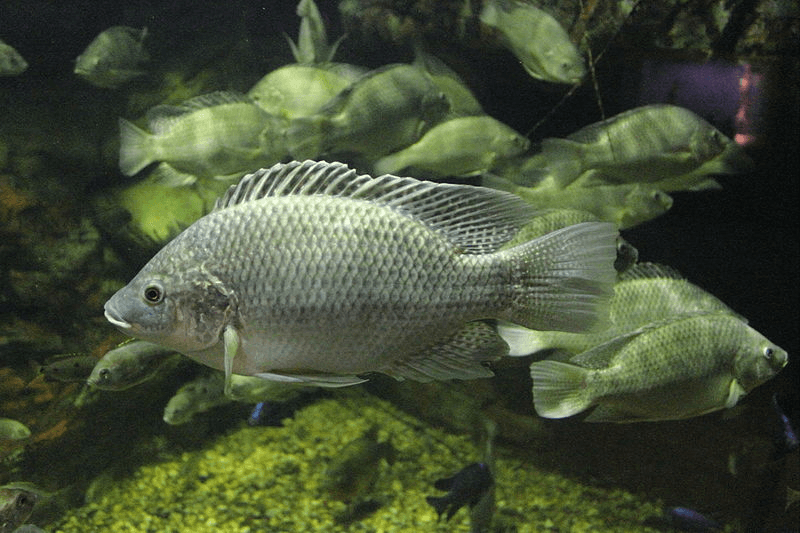
Tilapia, identified among the world’s most invasive fish, also threaten indigenous species with their rapid reproduction and aggressive behavior.


In regions such as the Kızılırmak Delta, the introduction of alien fish, including economically valuable types like so-iuy mullet, is raising ecological concerns.


The Mediterranean Conservation Society’s “New Fish” program encourages the harvest and consumption of invasive species like lionfish, aiming to both ease environmental pressure and boost local economies.


Endemic fish such as the Acı Göl toothcarp and scaleless killifish remain at risk from competition, water shortages, and habitat loss, highlighting the urgent need for comprehensive conservation action.

Energy-Saving Tips for Home Aquarium Enthusiasts

Practical strategies to reduce power consumption in your aquatic setup

Author

Author

Oct 16, 2025
Energy-Saving Tips for Home Aquarium Enthusiasts

Maintaining a beautiful home aquarium can be both soothing and visually rewarding, but energy usage often adds to your expenses.


Choosing energy-efficient filters and pumps tailored to your tank’s size minimizes power waste while ensuring healthy water flow.


Upgrading to LED lights is another smart move, as LEDs use remarkably less electricity and last far longer than traditional bulbs.


Timers on lights and equipment streamline use, so devices operate just when needed and support a steady aquatic environment.


Keeping tanks in stable-temperature rooms and adding insulation helps heaters work less, reducing overall energy demand.


Routine cleaning keeps filters and pumps free from buildup, letting them run more efficiently and helping fish thrive.


By following these tips, you can enjoy your aquarium’s beauty without worrying about high energy bills.

Endangered Freshwater Tropical Fish: A Global Conservation Challenge

Unique species in lakes worldwide face extinction threats

Author

Author

Sep 29, 2025
Endangered Freshwater Tropical Fish: A Global Conservation Challenge

Lakes are crucial ecosystems, supporting an extraordinary diversity of life despite covering just 1% of the planet’s surface.


From Africa’s Lake Malawi, hosting over 1,000 fish species including the at-risk Chambo, to Asia’s Lake Poyang, home of the critically endangered Yangtze finless porpoise, these waters are lifelines for countless species yet face mounting threats from human activity.


Australia’s Coorong and Lower Lakes region shelters endangered creatures like the Southern Bell Frog, while invasive species and habitat loss worsen their decline.


The Caspian Sea in Europe has seen a devastating 90% drop in Caspian seal populations due to overhunting and environmental change.


Meanwhile, North America’s Great Lakes and South America’s Lake Titicaca are similarly witnessing dramatic declines, pressing the need for urgent conservation and sustainable action.

Comprehensive Care Guide for Three Spot Gouramis

Essential Tips for Maintaining Healthy Three Spot Gouramis in Your Aquarium

Author

Author

Sep 16, 2025
Comprehensive Care Guide for Three Spot Gouramis

The three spot gourami stands out in freshwater aquariums for its elegant appearance and lively personality.


Despite the name, it has two distinct spots along its body, with the "third" being its eye.


Reaching up to 6 inches, these fish require at least a 30-gallon tank for ample swimming space.


Males may become territorial, especially during breeding, so it’s wise to provide hiding places or keep one male with several females.


Good tank companions include peaceful species such as tetras, rasboras, and corydoras.


Avoid aggressive or fin-nipping fish to ensure harmony.


Maintain water at 75–82°F and a pH of 6.0–8.0 for optimal health.


Gouramis thrive on a varied omnivorous diet and can live up to 4–6 years with attentive care.


Breeding males build bubble nests, adding unique interest to your tank.

Freshwater Tropical Fish That Outgrow Aquariums

Understanding the Growth Potential of Popular Community Fish

Author

Author

Sep 15, 2025
Freshwater Tropical Fish That Outgrow Aquariums

Many freshwater tropical fish available at pet stores may appear small, but several species can quickly outgrow standard aquariums as they mature.


Oscar Fish and Common Plecos are particularly fast growers, reaching up to 14 and 18 inches respectively, requiring large tanks to avoid stress and health issues.


Silver Arowanas, also called dragon fish, can reach over 3 feet, while Pacu Fish and Clown Knife Fish can each exceed 2 feet in length, needing substantial space and care from experienced aquarists.


The Iridescent Shark and Redtail Catfish can grow up to 4 feet, making them suitable only for massive aquariums or indoor ponds.


Koi and Giant Gouramis also demand spacious environments as they can surpass 2 feet in length.


Knowing the adult size and needs of these species is key to responsible fishkeeping and the long-term health of your aquatic pets.

Mastering Water Chemistry for Thriving Freshwater Tropical Fish

Essential Insights into Water Parameters for a Vibrant Aquarium

Author

Author

Sep 15, 2025
Mastering Water Chemistry for Thriving Freshwater Tropical Fish

Maintaining vibrant freshwater tropical fish starts with understanding water chemistry.


Monitoring pH, ammonia, nitrites, and nitrates is essential for a healthy tank.


Consistent testing keeps these levels safe and stable.


Thanks to new technology, such as smart aquarium controllers and automated feeders, it’s now easier to maintain ideal conditions.


These tools give fishkeepers greater control and peace of mind over their aquatic environment.


Connecting with local aquarium enthusiasts and joining online discussions brings valuable advice and firsthand tips.


Committing to regular water care not only boosts the beauty of your aquarium, but also safeguards the health and longevity of your aquatic friends.


Mastering water chemistry transforms fishkeeping into a truly rewarding journey.

Conquering Green Water: Effective Strategies to Combat Algae Blooms in Your Aquarium

Understanding the Causes and Implementing Solutions for a Clearer Tank

Author

Author

Sep 9, 2025
Conquering Green Water: Effective Strategies to Combat Algae Blooms in Your Aquarium

Nothing frustrates aquarium owners more than waking up to a tank clouded by green water, a problem caused by tiny free-floating algae flourishing in ideal conditions.


Key contributors include excessive or direct sunlight, powerful LED lighting, and high nutrient levels from overfeeding or insufficient water changes.


If filtration isn’t up to par, nutrients build up fast, fueling algae blooms.


Managing your aquarium’s lighting is crucial—limit exposure to 6–8 hours daily and position tanks away from sunlight.


Use adjustable LED lighting and timers to help plants thrive without encouraging algae.


On top of that, maintain regular cleaning routines and avoid overfeeding to keep nutrient levels down.


Bringing in natural algae eaters like otocinclus or nerite snails also helps maintain crystal-clear water for a vibrant, healthy aquarium.

Aquarium Heaters and Chillers Market Poised for Significant Growth

Technological Innovations and Rising Aquarist Community Drive Market Expansion

Author

Author

Aug 20, 2025
Aquarium Heaters and Chillers Market Poised for Significant Growth

Aquarium heaters and chillers have become critical tools as the aquarium industry shifts from a niche hobby to a booming global business.


The market for these temperature control devices is projected to soar, with values expected to climb from USD 31 billion in 2023 to nearly USD 50 billion by 2033—a steady annual growth of 4.9%.


Technological upgrades, like smart thermostats and energy-saving systems, are transforming user experiences and making aquariums easier to manage.


The fascination with exotic fish and corals is fueling demand for advanced temperature management, while changing climates are making aquarium chillers more essential than ever.


Increased pet ownership is also driving the need for sophisticated climate controls.


The Asia-Pacific region is set for dynamic growth, as more homeowners and businesses install aquariums, emphasizing modern, efficient equipment.


Market expansion brings new opportunities for manufacturers and retailers alike.

Ensuring Aquarium Health: The Essential Role of Water Conditioners

Why Treating New Water Is Crucial for Your Fish's Well-being

Author

Author

Aug 9, 2025
Ensuring Aquarium Health: The Essential Role of Water Conditioners

Adding untreated water to your aquarium can seriously endanger your fish.


Municipal tap water typically contains chlorine and chloramine, which are safe for humans but toxic to aquatic life.


These chemicals may harm fish gills, causing breathing problems or even death if left unchecked.


Using a water conditioner neutralizes these dangers, making water safe for your fish.


Tap water can also contain heavy metals like copper or lead, which threaten fish health.


Water conditioners use chelating agents to effectively block these harmful metals.


Even well water isn’t risk-free — it might include pesticides or natural contaminants.


Regular testing and treating well water with conditioner ensures your aquarium remains toxin-free.


If using reverse osmosis or deionized water, always add minerals to support healthy fish.


Proper treatment with a water conditioner is essential for a thriving aquarium.

Maintaining a Healthy Aquarium: The Importance of Regular Water Changes

Effective Practices to Control Nitrate Levels and Ensure Aquatic Well-being

Author

Author

Jul 25, 2025
Maintaining a Healthy Aquarium: The Importance of Regular Water Changes

Regular water changes are crucial for keeping your aquarium healthy and safe for aquatic life.


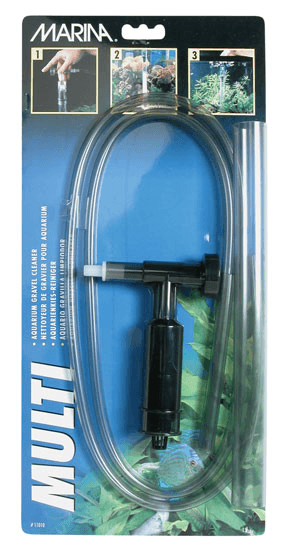
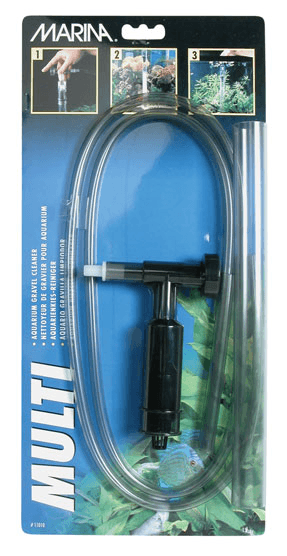
Using a gravel cleaner removes trapped waste from the substrate, improving water clarity and stopping harmful chemical buildup.


Fish waste and leftover food naturally boost nitrate levels over time.


Consistent water changes, such as a 10–20% weekly routine, help reduce nitrates and lower stress for your fish.


Always treat replacement water to remove chlorine and match the tank's temperature and pH before adding it.


Limit each change to no more than 33% of the water to keep the biological filter stable.


Never replace all the water at once, as it can harm beneficial bacteria and disrupt your tank’s balance.


Adding live plants like hornwort or duckweed also helps control nitrates, ensuring a cleaner, more vibrant aquarium community.

Tropical Fish Aquarist
"Dive into the world of freshwater tropical fish today!"

© 2026 Tropical Fish Aquarist.

Encompassing all aspects of keeping freshwater tropical fish alive and healthy. Particular focus is on novice aquarists and helping them offer their fish the very best environment possible.

© 2026 Tropical Fish Aquarist.