
Spring Aquarium Care - Seasonal Adjustments |
Prepare Your Tank for Warmer Days Ahead |
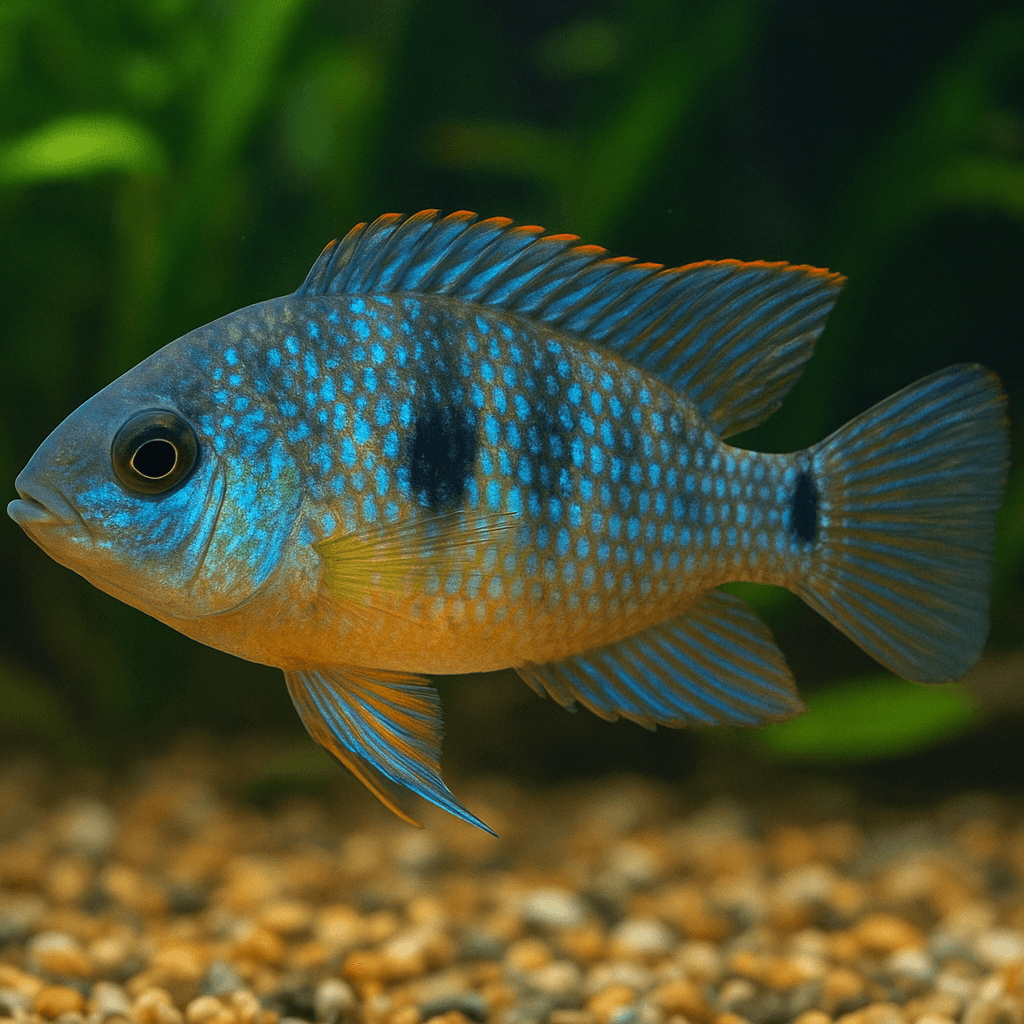
Spring brings longer days, temperature swings, and changes in your home environment that affect your aquarium. As the seasons shift, your fish need you to adjust their care routine. Here is your spring aquarium checklist.
Check Your Temperature
As outdoor temperatures rise, indoor heating systems cycle differently. Your aquarium heater might struggle to maintain consistent temperatures during spring's fluctuating weather.
Check your thermometer daily for a week. If temperatures swing more than 2 degrees, adjust your heater settings or consider a backup heater for larger tanks. Sudden temperature changes stress fish and trigger disease outbreaks.
Adjust Your Lighting
Longer natural daylight can trigger algae blooms if your artificial lighting stays on the same winter schedule. Algae thrive when total light exposure increases.
Reduce your aquarium light timer by 30-60 minutes. If you were running lights 10 hours in winter, try 8-9 hours in spring. This prevents algae while still supporting any live plants.
Inspect Your Equipment
Spring cleaning applies to aquariums too. Check your filter intake for debris that accumulated over winter. Clean impellers and replace filter media if it is been more than a month.
Test your heater's accuracy with a separate thermometer. Heaters can drift over time, and spring is a good checkpoint before summer heat arrives.
Watch for Breeding Behavior
Many fish species respond to spring's longer days and temperature changes by entering breeding condition. Livebearers like guppies and mollies produce more fry. Egg-layers become more colorful and active.
If you do not want hundreds of babies, separate males and females or add more hiding spots for fry. If you want to breed, spring is prime time to set up spawning tanks.
Plan for Summer
Spring is preparation time for summer challenges. Hot weather can overheat tanks, especially in rooms without air conditioning. Start planning now:
Position tanks away from direct sunlight. Consider a cooling fan for the aquarium. Stock up on water conditioner for more frequent water changes. Research heat-tolerant fish if your home gets very warm.
Water Change Adjustments
Spring often brings increased activity from fish who sensed the seasonal change. They eat more and produce more waste. You might need to increase water changes from weekly to twice weekly temporarily.
Test your water parameters more frequently during this transition. Ammonia and nitrite should stay at zero; nitrate should stay below 40 ppm.
The Bottom Line
Spring aquarium care is not complicated, but it requires attention. Small adjustments now prevent big problems later. Your fish will transition smoothly into summer, and you will avoid the seasonal headaches that catch unprepared keepers off guard. |
0 Comments
Join the conversation
Be the first to comment
Share your thoughts above.