
Is an Undergravel Filter Right for Your Aquarium? |
Explore the pros and cons of undergravel filters to determine if this cost-effective filtration system suits your aquarium setup. |
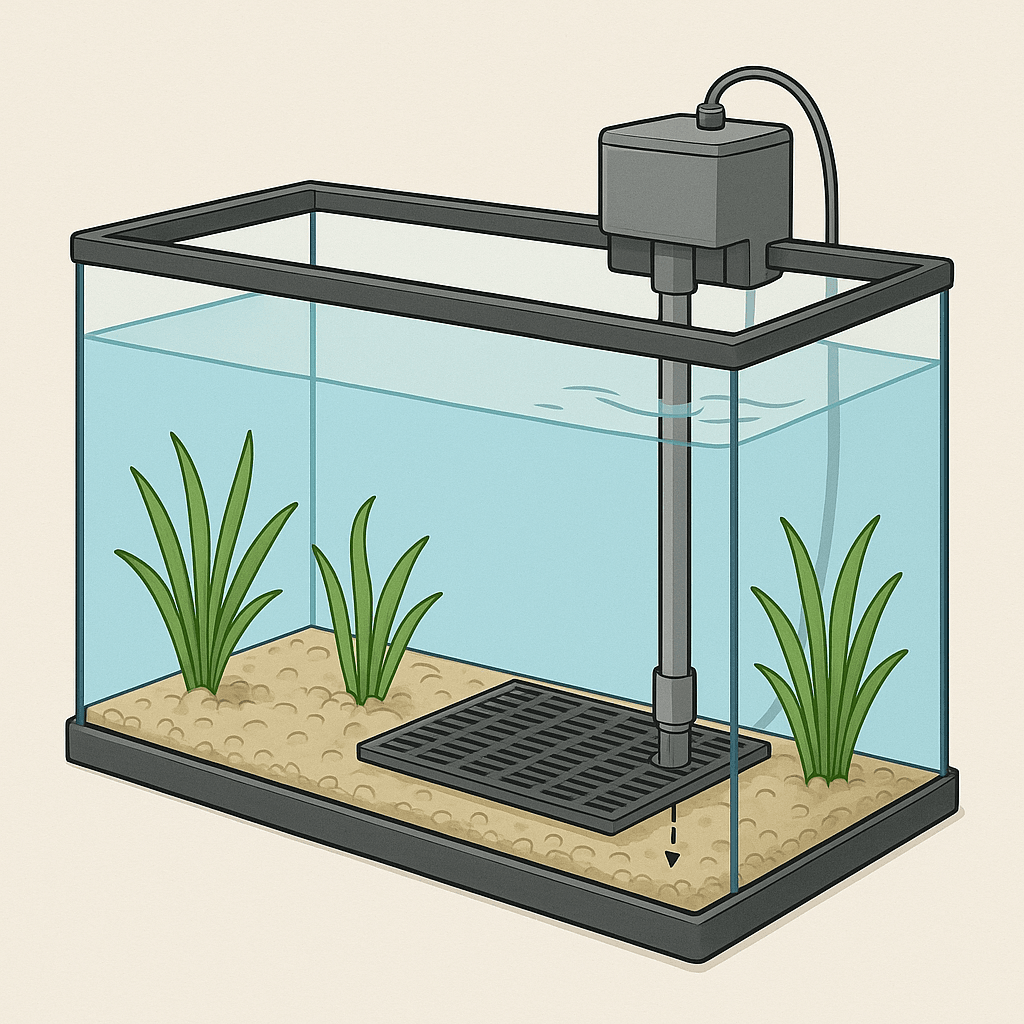
Undergravel filters (UGFs) have been a staple in aquarium filtration since the mid-20th century, offering a simple and cost-effective method to maintain water quality. However, with advancements in technology, their popularity has waned.
Let's delve into how these systems function and assess their advantages and disadvantages to determine if they still hold value in today's aquariums.
How Undergravel Filters Operate UGFs consist of a perforated plate positioned beneath the aquarium's substrate, typically gravel. Water is drawn down through the gravel bed by uplift tubes connected to air pumps or powerheads, creating a flow that encourages beneficial bacteria to colonize the substrate. These bacteria play a crucial role in breaking down harmful ammonia and nitrites, thereby maintaining a healthier environment for aquatic life.
Advantages of Undergravel Filters Cost-Effective Solution UGFs are among the most affordable filtration options available, making them accessible for aquarists on a budget.
Reliable Biological Filtration The extensive surface area provided by the gravel bed supports a robust colony of beneficial bacteria, enhancing the biological filtration process.
Minimal Maintenance Requirements With no complex mechanical parts, UGFs are less prone to mechanical failures and require less frequent maintenance compared to more intricate systems.
Enhanced Oxygenation The upward water movement generated by UGFs promotes surface agitation, increasing oxygen exchange which benefits most fish species.
Proven Effectiveness Decades of use have demonstrated that UGFs can effectively maintain water quality in various aquarium setups.
Disadvantages of Undergravel Filters Accumulation of Debris Over time, waste particles can become trapped beneath the filter plate, leading to potential water quality issues if not addressed through regular substrate cleaning.
Incompatibility with Certain Substrates UGFs are best suited for medium-sized gravel; fine substrates like sand can clog the system, while larger substrates may not provide adequate filtration.
Challenges with Live Plants The constant water flow can disrupt plant roots and deplete essential nutrients, making UGFs less suitable for planted aquariums.
Limited Flexibility Once installed, modifying or removing a UGF requires dismantling the entire tank, which can be cumbersome.
Potential for Dead Spots Areas with inadequate water flow can develop, reducing the filter's efficiency and potentially harming aquatic life.
Considerations for Modern Aquariums While UGFs are not as prevalent today, they can still be appropriate in specific scenarios:
Deciding whether to use an undergravel filter depends on your specific aquarium needs. If you're aiming for a planted tank, housing substrate-digging species, or desire greater flexibility, modern filtration systems may be more appropriate. However, for straightforward, budget-conscious setups without live plants, UGFs can still offer effective and reliable filtration.
Ultimately, while newer technologies provide more versatility and ease of maintenance, undergravel filters remain a viable option for certain aquarium configurations. Careful consideration of your tank's requirements and regular maintenance will ensure the best choice for your aquatic environment.
FAQs Can undergravel filters be used in saltwater aquariums? Yes, UGFs can be utilized in saltwater setups, but they are less common due to the availability of more efficient filtration systems tailored for marine environments.
How often should I clean the gravel in a tank with an undergravel filter? Regular gravel vacuuming during water changes is recommended to prevent debris buildup, with a more thorough cleaning every 12 to 18 months to maintain optimal performance.
Are undergravel filters suitable for tanks with bottom-dwelling fish? UGFs may not be ideal for tanks housing bottom-dwelling species that dig or burrow, as these behaviors can disrupt the substrate and affect the filter's efficiency. |
0 Comments
Join the conversation
Be the first to comment
Share your thoughts above.