
Creating a Thriving Livebearer Community Aquarium |
Learn essential tips for setting up a harmonious livebearer community aquarium, focusing on tank size, water parameters, compatibility, and feeding practices. |
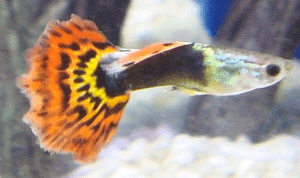
Livebearers, such as guppies, platies, mollies, and swordtails, are renowned for their vibrant colors and dynamic behaviors, making them a favorite among aquarists. Establishing a harmonious community aquarium with these species requires careful planning and attention to their specific needs.
Tank Size and Setup
To accommodate the active nature of livebearers, a spacious tank is essential. A minimum of 20 gallons is recommended, providing ample swimming space and reducing territorial disputes.
Incorporate live plants like hornwort and java fern to offer hiding spots and mimic their natural habitat. These plants also aid in maintaining water quality by absorbing excess nutrients.
Water Parameters
Livebearers thrive in slightly alkaline, moderately hard water. Maintain a pH between 7.0 and 8.4 and a temperature range of 74°F to 78°F. Regular water changes, about 10% weekly or 25% bi-weekly, are crucial to keep the environment stable and free from harmful toxins.
Compatibility and Social Dynamics - Keep in Trios
While livebearers are generally peaceful, male-to-male aggression can occur, especially in species like swordtails. To minimize stress, maintain a ratio of two to three females per male. This distribution helps prevent excessive male attention on individual females, promoting a more balanced social environment.
Feeding Practices
As omnivores, livebearers require a varied diet.
Provide high-quality flake or pellet food supplemented with vegetable matter like blanched zucchini or spinach. Occasional treats of live or frozen foods such as brine shrimp or bloodworms can enhance their coloration and vitality.
Feed small amounts once or twice daily, ensuring all food is consumed within two minutes with nothing being left over to prevent overfeeding and water quality issues.
Managing Offspring
Livebearers are prolific breeders, with females giving birth to free-swimming fry approximately every four to six weeks.
To control population growth, consider the following strategies:
Suitable Tankmates
Livebearers coexist well with other peaceful community fish that share similar water requirements.
Compatible species include:
Avoid aggressive or fin-nipping species that may harass livebearers, such as certain barbs or larger cichlids.
Health Considerations
Maintaining optimal water quality is paramount to prevent common ailments like ich (white spot disease) and fin rot. Regular monitoring of water parameters, prompt removal of uneaten food, and avoiding overcrowding will help keep your livebearer community healthy and vibrant.
By adhering to these guidelines, you can create a thriving livebearer community aquarium that showcases the beauty and diversity of these fascinating fish.
Enjoy the dynamic interactions and the splash of color they bring to your aquatic environment. |
0 Comments
Join the conversation
Be the first to comment
Share your thoughts above.