
Fixing Common Aquarium Lighting Problems: |
Fixing Common Aquarium Lighting Problems: |
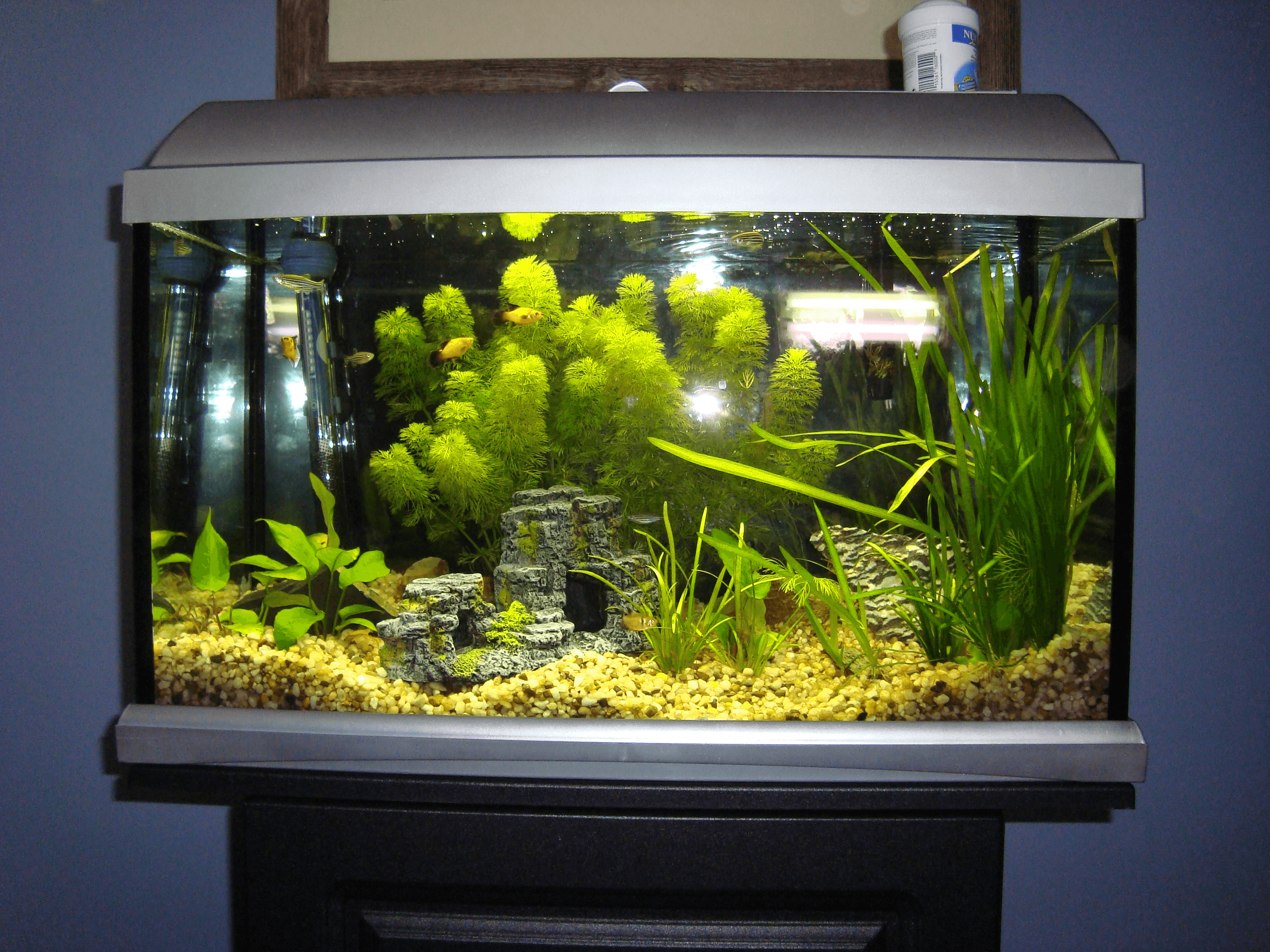
Fixing Common Aquarium Lighting Problems: Algae, Hot Water & MoreAfter 63 years of keeping fish, I've diagnosed and fixed thousands of lighting problems. Most aquarists assume their issue is complicated—wrong spectrum, insufficient wattage, or faulty equipment. Nine times out of ten, the solution is simpler than you think. Let me walk you through the most common problems and their real fixes.
Problem: Explosive Algae Growth
Symptoms: Green film on glass within days of cleaning, hair algae spreading across plants, green water that won't clear, brown diatoms coating everything.
Solution—Duration First, Then Intensity:
Your first response should always be reducing photoperiod. If lights run 12+ hours daily, cut back to 8-9 hours immediately. Don't change anything else for two weeks. In 80% of cases, this alone solves the problem.
If algae persists after adjusting duration, then reduce intensity. Raise the fixture higher above the tank, or if using adjustable LEDs, dim them to 70-80%. Most beginners over-light their tanks because brighter "looks better." Your fish don't need maximum brightness.
Only after controlling duration and intensity should you consider chemical or biological fixes like algae eaters or treatments. Start with the simplest solution: less light.
Problem: Plants Melting or Turning Brown
Symptoms: Plant leaves turning yellow or transparent, stems rotting from bottom up, plants that grew fine initially now dying back.
Solution—Check Spectrum and Duration:
If plants thrived initially but declined over months, your bulbs have likely degraded. Fluorescent and some cheaper LED bulbs lose spectrum quality over 8-12 months even while appearing bright. Replace bulbs annually for planted tanks—it's cheaper than replacing dead plants. If plants never thrived, verify you're using 6500K-7000K spectrum lights. Blue-heavy 10,000K+ bulbs look great but don't support plant photosynthesis well. Plants need red and blue spectrum—warm white bulbs provide both.
Also check duration. Surprisingly, too little light can stress plants. If you're running 6 hours or less, increase gradually to 8-9 hours. Plants need consistent daily photosynthesis periods.
Problem: Fish Hiding All Day
Symptoms: Fish constantly hiding in corners or behind decorations, reduced activity, pale coloration, skittish behavior.
Solution—Add Shade and Dim Lights:
Wild fish live under forest canopy with dappled, broken light. Aquarium lights blast them with uniform intensity they instinctively avoid. This isn't a lighting problem—it's a design problem.
Add floating plants (water sprite, frogbit, salvinia) to create shaded zones. Fish will venture into open areas more confidently when they have nearby shade to retreat to. I've used this strategy for 60+ years, especially with shy species like tetras and rasboras.
If floating plants aren't an option, dim your lights or elevate the fixture. Many modern LEDs have brightness controls—use them. Running lights at 60-70% intensity often makes fish more active and vibrant than 100% brightness.
Problem: Water Temperature Too High
Symptoms: Tank consistently 2-4 degrees warmer than room temperature, fish gasping at surface in summer, heater can't maintain stable temperature.
Solution—Upgrade to LED Immediately:
Fluorescent fixtures generate significant heat. If your tank overheats, especially in summer, lighting is likely the culprit. I fought this problem for decades before LEDs became available.
The fix is straightforward but requires investment: replace fluorescent with LED. A quality LED fixture generates 75% less heat while providing equivalent light. Your tank temperature will drop 2-4 degrees within days.
Short-term fixes include reducing photoperiod during hot months, pointing a fan across the water surface, or removing the tank hood to improve ventilation. But if heat is chronic, LED conversion is the permanent solution.
Problem: Dark Spots or Uneven Lighting
Symptoms: Bright spots near the center with dim corners, one side of tank well-lit while other side is shadowy, plants growing unevenly.
Solution—Multiple Fixtures or Better Placement:
Single-bulb fixtures create uneven coverage in tanks over 30 inches long. The solution is using two smaller fixtures instead of one large one, positioning them to overlap coverage in the center while lighting the ends.
For example, a 55-gallon (48" long) tank benefits from two 24" fixtures rather than one 48" strip. This provides more uniform coverage and eliminates dark corners.
Also verify your fixture isn't positioned too close to the back wall or front glass. Center it over the tank width for best distribution.
Problem: Bulbs Burning Out Quickly
Symptoms: Bulbs failing within 3-6 months, flickering lights, inconsistent startup.
Solution—Check Moisture and Ventilation:
Aquarium lighting lives in humid environments. Condensation inside fixtures shortens bulb life dramatically. Ensure your hood or canopy allows adequate ventilation and that moisture isn't accumulating in the fixture itself.
If you're using glass canopy tops, leave a small gap for air circulation. If condensation forms on bulbs regularly, the fixture may need better sealing or ventilation improvement.
Also verify you're using the correct bulb wattage for your fixture. Overloading a fixture with higher-wattage bulbs than designed causes premature failure.
Bottom Line
Most lighting problems have simple solutions: adjust duration, reduce intensity, or replace degraded bulbs. Before buying expensive new equipment or complicated add-ons, try the basic fixes first. They work surprisingly often.
After six decades maintaining tanks, I've learned that patience and observation beat impulse purchases every time. Make one change, wait two weeks, observe results. Don't change multiple variables simultaneously or you'll never know what actually worked . Master these troubleshooting fundamentals, and you'll solve 90% of lighting issues without spending a dollar. |
0 Comments
Join the conversation
Be the first to comment
Share your thoughts above.