
Aquarium Lighting Setup |
LED fixtures over a planted aquarium |
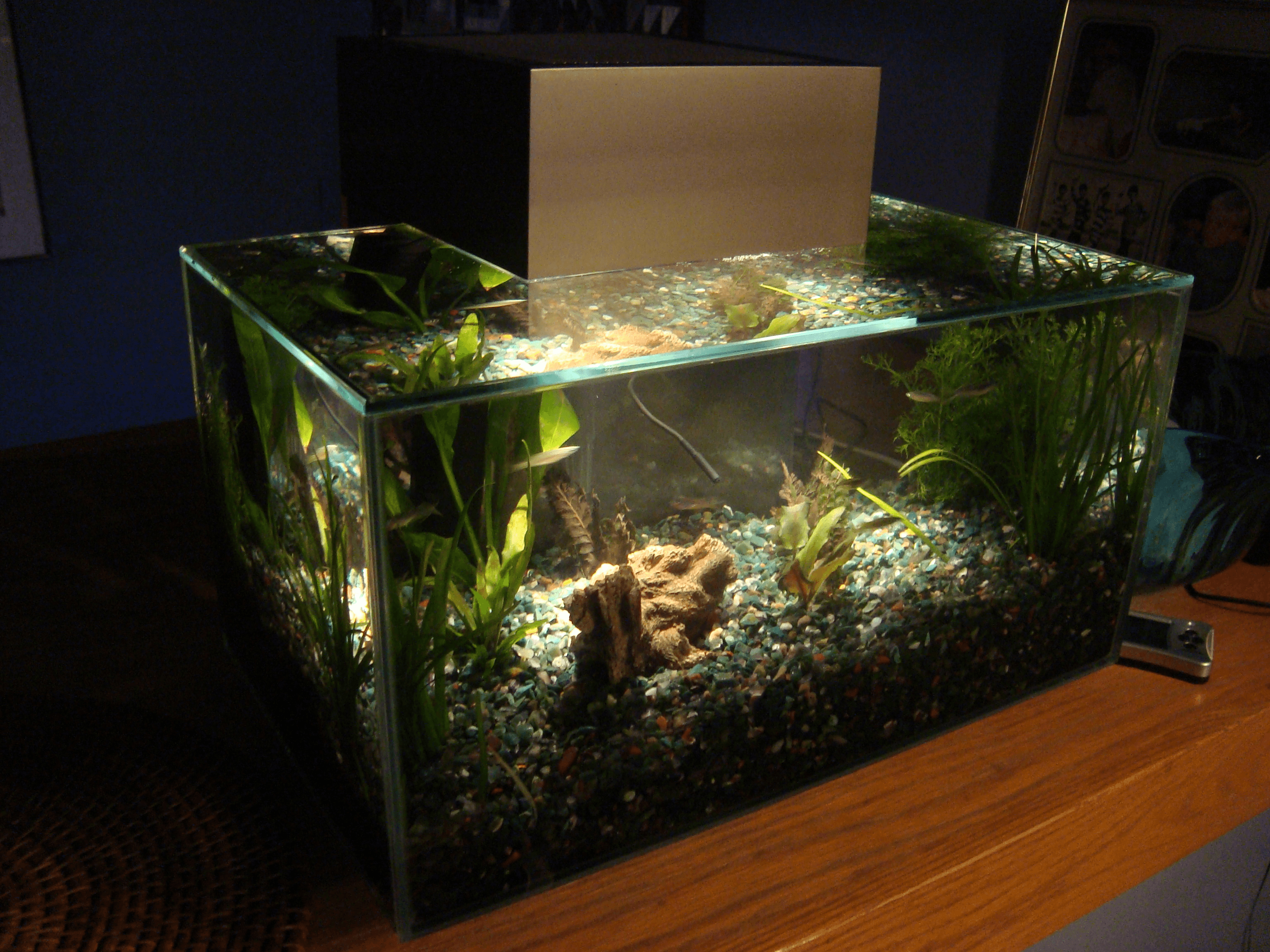
After six decades of keeping tropical fish, I've learned that lighting is one of the most misunderstood aspects of aquarium keeping. New aquarists often either over-light their tanks, causing explosive algae growth, or under-light them, leaving fish stressed and plants struggling to survive. The key is understanding how to match your light intensity to your specific tank size and what you're keeping.
The relationship between tank size and lighting isn't as straightforward as you might think. A 100-gallon tank doesn't need ten times the light of a 10-gallon tank. The reason comes down to how light behaves in water. Light intensity drops dramatically as it travels through water, and the depth of your tank matters far more than the total volume. A long, shallow 40-gallon tank needs completely different lighting than a tall, narrow 40-gallon of the same volume.
Surface area also plays a crucial role. Your stocking choices affect your lighting needs significantly. Live plants demand different lighting than a fish-only setup, and even within planted tanks, easy plants like Anubias and Java Fern thrive under moderate lighting, while demanding carpet plants or red species need intense illumination.
Starting with Nano Tanks
For nano tanks in the 5-10 gallon range, I recommend starting with 10-15 watts of LED lighting or equivalent. The biggest mistake I see with these small tanks is over-lighting them. Because the water volume is small and the depth is shallow, it's incredibly easy to flood the tank with more light than it can handle. A simple clip-on LED fixture with adjustable brightness works perfectly for these setups.
If you're growing plants in your nano tank, aim for about 1.5-2 watts per gallon. For a fish-only setup, 0.5-1 watt per gallon provides plenty of illumination without triggering algae problems. Start conservative with your intensity. You can always turn the brightness up if your plants show signs of light starvation, such as elongated stems reaching for the surface or pale, washed-out leaves.
Small Tanks Need Balance
Small tanks in the 10-20 gallon range typically need 15-30 watts of LED lighting. Most standard aquarium hoods come with adequate lighting for these sizes, though the quality varies. This is actually a perfect size for experimenting with planted tanks, and most tropical fish thrive under moderate lighting conditions.
If you're using the standard hood light that came with your tank and you're not seeing persistent algae problems, you're probably fine. However, if you want to grow anything beyond the easiest plant species, consider upgrading to a full-spectrum LED strip. The difference in plant growth and coloration can be dramatic.
Medium Tanks Require Planning
Once you move into medium tanks ranging from 20-55 gallons, lighting becomes more complex because depth starts to matter significantly. A 20-gallon long tank measures 30 inches wide but only 12 inches deep. A 29-gallon tank is also 30 inches wide but sits 18 inches deep. That extra 6 inches of depth makes a substantial difference in how much light reaches the bottom of your tank.
For standard community tanks with a few easy plants, target 0.5-1 watt per gallon using LED lighting. If you're planning a heavily planted tank, increase that to 1.5-2 watts per gallon. Multiple light fixtures or LED strips often work better than a single fixture, providing more even coverage across the entire tank. Always use a timer set for 8-10 hours daily. This consistency helps prevent algae while giving your plants enough light to photosynthesize effectively.
Large Tanks Demand Serious Lighting
Large tanks from 55-125 gallons require 80-200+ watts of LED lighting, depending on depth and what you're keeping. Tank depth becomes the critical factor here. Tall tanks need more powerful lights to penetrate all the way to the substrate. I can't stress this enough: don't try to light a 6-foot tank with a single fixture unless it's commercial-grade equipment. You'll end up with bright spots under the light and dark zones at the ends.
Multiple fixtures give you better coverage and more control over different areas of your tank. LED technology has made lighting large tanks much more practical. Modern LEDs run cooler than older technologies, they're more energy-efficient, and many offer adjustable intensity. The initial cost might seem high, but the long-term savings in electricity and bulb replacements make LEDs the clear winner for large aquariums.
Ask Yourself Three Questions
Before purchasing any aquarium light, consider what you're actually keeping. A fish-only tank needs low to moderate light. Easy plants like Anubias, Java Fern, and Cryptocorynes thrive under moderate lighting. Demanding plants such as carpeting species or red-colored varieties require high light intensity to maintain their appearance and growth.
The depth of your tank determines how powerful your lighting needs to be. Tanks 12 inches deep or less work fine with standard fixtures. If your tank measures 18-24 inches deep, you need stronger lights or multiple fixtures. Anything over 24 inches deep requires high-output fixtures or a multi-light setup to adequately reach the bottom.
Finally, ask if you can control the intensity. Dimmable lights give you flexibility to start low and increase brightness as needed. Non-dimmable lights might prove too intense or too weak with no middle ground available. The ability to adjust your lighting as your tank matures and your plants grow gives you much more control over your aquarium environment.
The Mistake That Costs You
After 63 years in this hobby, I can tell you the number one lighting mistake aquarists make: buying the most powerful light available "just in case." They think more light automatically means healthier fish and better plant growth. Nothing could be further from the truth.
Excessive light triggers explosive algae growth that you simply cannot control through normal maintenance. Your fish will hide constantly because they're stressed by the intense brightness. Plants that can't handle high light intensity will melt away despite your best efforts. You'll battle water quality issues that trace back directly to having too much light in your system.
Start with moderate lighting for your tank size. You can always add more light if needed. What you can't easily do is subtract light without buying new equipment or jury-rigging solutions that look terrible and work poorly.
Take Action Now
Before you make any lighting changes, take the time to measure your tank's dimensions, paying special attention to the depth. Note exactly what lighting you currently have, including the brand, wattage, and bulb type. Then observe your tank carefully for 3-4 days. Are your fish hiding during light hours? Is algae growing rapidly on the glass or plant leaves? These observations tell you whether your current lighting works for your specific situation.
If you have questions about your particular setup, I'm here to help. Send me your tank size, current lighting specifications, and what you're keeping. I'll give you personalized advice based on decades of real-world experience with every type of aquarium setup imaginable. |
0 Comments
Join the conversation
Be the first to comment
Share your thoughts above.