
Aquaponics for Beginners: Grow Vegetables Using Your Fish Tank |
How to create a sustainable ecosystem where fish and plants thrive together |
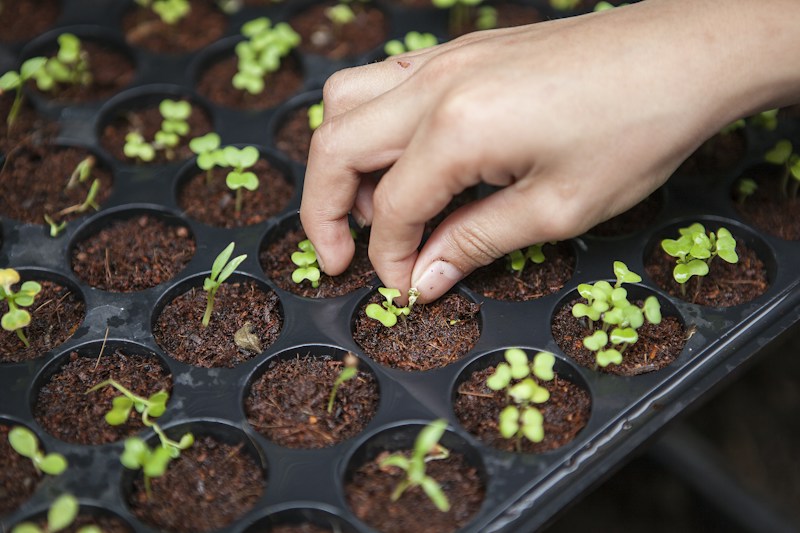
What if your fish tank could do more than just house beautiful fish? What if it could also grow fresh vegetables for your kitchen? This is not a futuristic fantasy—it is aquaponics, and it is surprisingly simple to start.
Aquaponics combines aquaculture (raising fish) with hydroponics (growing plants in water). The fish produce waste. Beneficial bacteria convert that waste into nutrients. The plants absorb those nutrients, cleaning the water for the fish. It is a closed-loop system that mimics nature itself.
For tropical fish enthusiasts, aquaponics offers a natural extension of the hobby. You already understand water chemistry, filtration, and fish care. Adding plants to the equation requires only a few new concepts.
How It Works
The science is elegant in its simplicity. Fish excrete ammonia through their gills and waste. In a standard aquarium, filters remove this ammonia because it is toxic to fish. In an aquaponics system, you let nature do the work.
Nitrifying bacteria colonize your grow beds. These microscopic workers convert ammonia first into nitrites, then into nitrates. Nitrates are plant fertilizer. Your vegetables absorb them greedily, effectively removing them from the water. The clean water returns to your fish tank, and the cycle continues.
This biological filtration is incredibly efficient. A well-balanced aquaponics system requires minimal water changes because the plants continuously purify the water. You feed the fish. The fish feed the plants. The plants feed you.
Getting Started
You do not need expensive equipment to begin. Many hobbyists start with a simple setup: a standard aquarium, a small water pump, and a grow bed positioned above the tank. The pump moves water from the tank to the grow bed. Gravity returns it.
Your grow bed can be anything that holds water and growing medium. Plastic tubs, food-grade buckets, or dedicated aquaponics containers all work. Fill it with expanded clay pebbles, gravel, or lava rock. These provide surface area for bacteria and support for plant roots.
Start with hardy fish that tolerate varying water conditions. Goldfish are excellent beginners for aquaponics. They are hardy, produce plenty of waste, and thrive in the system. As you gain experience, you can experiment with tropical species like tilapia or even ornamental fish.
Best Plants for Beginners
Leafy greens are the easiest plants to grow aquaponically. Lettuce, spinach, kale, and Swiss chard all flourish in these systems. They have shallow root systems and modest nutrient requirements, making them forgiving for beginners.
Herbs are another excellent choice. Basil, mint, cilantro, and parsley grow rapidly in aquaponics. Imagine harvesting fresh basil for your pasta while watching your angelfish glide through the tank below. That is the aquaponics lifestyle.
Avoid fruiting plants like tomatoes and peppers initially. They require higher nutrient levels and more sophisticated system management. Master leafy greens first, then expand your garden.
The Benefits
Beyond the obvious joy of growing your own food, aquaponics offers practical advantages. You will perform fewer water changes because plants consume the nitrates that would otherwise accumulate. Your fish live in cleaner, more stable water conditions.
The system is also water-efficient. Aquaponics uses 90% less water than soil gardening because water recirculates rather than draining away. In an era of increasing water consciousness, this matters.
Perhaps most importantly, aquaponics reconnects us with natural cycles. You witness firsthand how waste becomes nutrients, how life supports life, how closed systems sustain themselves. It is deeply satisfying.
Common Mistakes to Avoid
Patience is essential when starting aquaponics. The bacteria colony that converts ammonia to nitrates takes four to six weeks to establish. During this cycling period, add fish slowly and test water parameters regularly. Rushing this process leads to dead fish and disappointment.
Overfeeding is another common error. Uneaten food decomposes, creating excess ammonia that overwhelms immature bacterial colonies. Feed your fish only what they consume in two minutes. Remove any uneaten food promptly.
Finally, resist the urge to overcrowd. Aquaponics systems have limits. A general rule: one inch of fish per gallon of water for established systems. Start conservatively and add fish gradually as your plants and bacteria mature.
The Future of Home Aquaponics
Aquaponics technology is becoming more accessible every year. Compact systems designed for apartments and small homes now exist. Some feature sleek, furniture-quality designs that look at home in modern living rooms.
For tropical fish enthusiasts, aquaponics represents the next evolution of the hobby. It transforms fishkeeping from a purely aesthetic pursuit into something functional and productive. Your fish tank becomes a garden. Your garden becomes part of your aquarium.
The ancient Aztecs practiced aquaponics on floating gardens called chinampas. Today, we can replicate their wisdom on our kitchen counters. The technology has changed, but the principle remains: fish and plants thrive together, just as nature intended. |
0 Comments
Join the conversation
Be the first to comment
Share your thoughts above.