
Energy-Saving Tips for Home Aquarium Enthusiasts |
Discover practical strategies to reduce power consumption in your home aquarium, ensuring a thriving aquatic environment without high energy costs. |
Maintaining a home aquarium offers both relaxation and aesthetic appeal, but it can also lead to increased energy bills. Implementing energy-saving measures can help you enjoy your aquatic hobby without financial strain.
Opt for Energy-Efficient Equipment Investing in energy-efficient equipment is a key step in reducing power consumption. Modern filters and pumps are designed to operate effectively while using less electricity. Since the introduction of the AquaClear style motors in the 1980's by Askoll and Rolf C, Hagen Inc., the amount of energy required has been reduced dramatically by moving from an oil cooled motor to a fully sealed system. Since most of the water flow output from a filter is determined by the impeller configuration being used in the same motor, it is quite possible to have a fully filtered aquarium with the same power usage. Selecting devices appropriate for your tank's size ensures optimal performance without unnecessary energy use.
Upgrade to LED Lighting Lighting has traditionally been a significant energy consumer in aquariums. The original Incandescent bulbs were inefficient and useless for growing plants. One of the major improvement in the last century was the replacement of incandescent to fluorescent fixtures and bulbs.
Replacing traditional fluorescent bulbs with LED lights can lead to substantial energy savings. LEDs consume up to 90% less energy and have a longer lifespan, making them a cost-effective choice. Fluorescent to LED replacement has been one of the most effective ways to reduce the actual power consumption of an aquarium in one easy step.
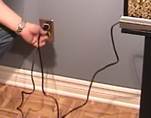
Utilize Timers for Lights and Equipment Setting timers for your aquarium's lighting and other equipment ensures they operate only when necessary. This practice prevents unnecessary energy use and maintains a consistent environment for your aquatic life. Always be sure you have a drip loop installed for the aquarium power line. This is not an energy savings method, rather it is a safety measure to ensure water does not drop into the actual electrical box on the wall
Maintain Optimal Water Temperature Withe major paradigm shift from Fluorescent to LED lighting, heating has suddenly become the source of the major energy drain. The actual technology to heat water has not changed in any great degree since the introduction of digital heaters that moved from the bi-metallic strip style of heater to digital control of the electrical flow within the heater. The actual technology is not different enough to warrant trying to find a different heater technology.
However, placing your aquarium in a room with a stable temperature reduces the heater's workload. Additionally, insulating the tank with materials like polystyrene can help retain heat, further decreasing energy consumption. The best way to reduce heating consumption is to plan the location of the tank with proper temperature stability a primary concern.
Regular Maintenance Keeping your aquarium clean ensures equipment operates efficiently. Clogged filters and dirty pumps work harder, using more energy. Regular cleaning prevents this, promoting both energy savings and a healthy environment for your fish.
By implementing these strategies, you can enjoy a vibrant and thriving aquarium while keeping energy costs in check. |
0 Comments
Join the conversation
Be the first to comment
Share your thoughts above.