
May 6, 2026 |
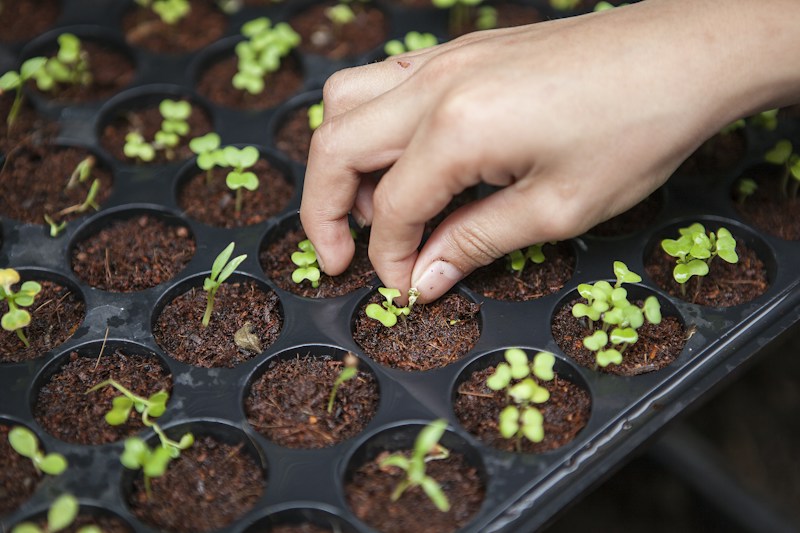
Discover how to create a closed-loop ecosystem where fish waste feeds your vegetables and plants purify the water. Perfect for tropical fish enthusiasts ready to expand their hobby. Read More... |
Trivia Question❓What is the largest species of freshwater fish that can be found in the Amazon River? Answer at the bottom of the newsletter |
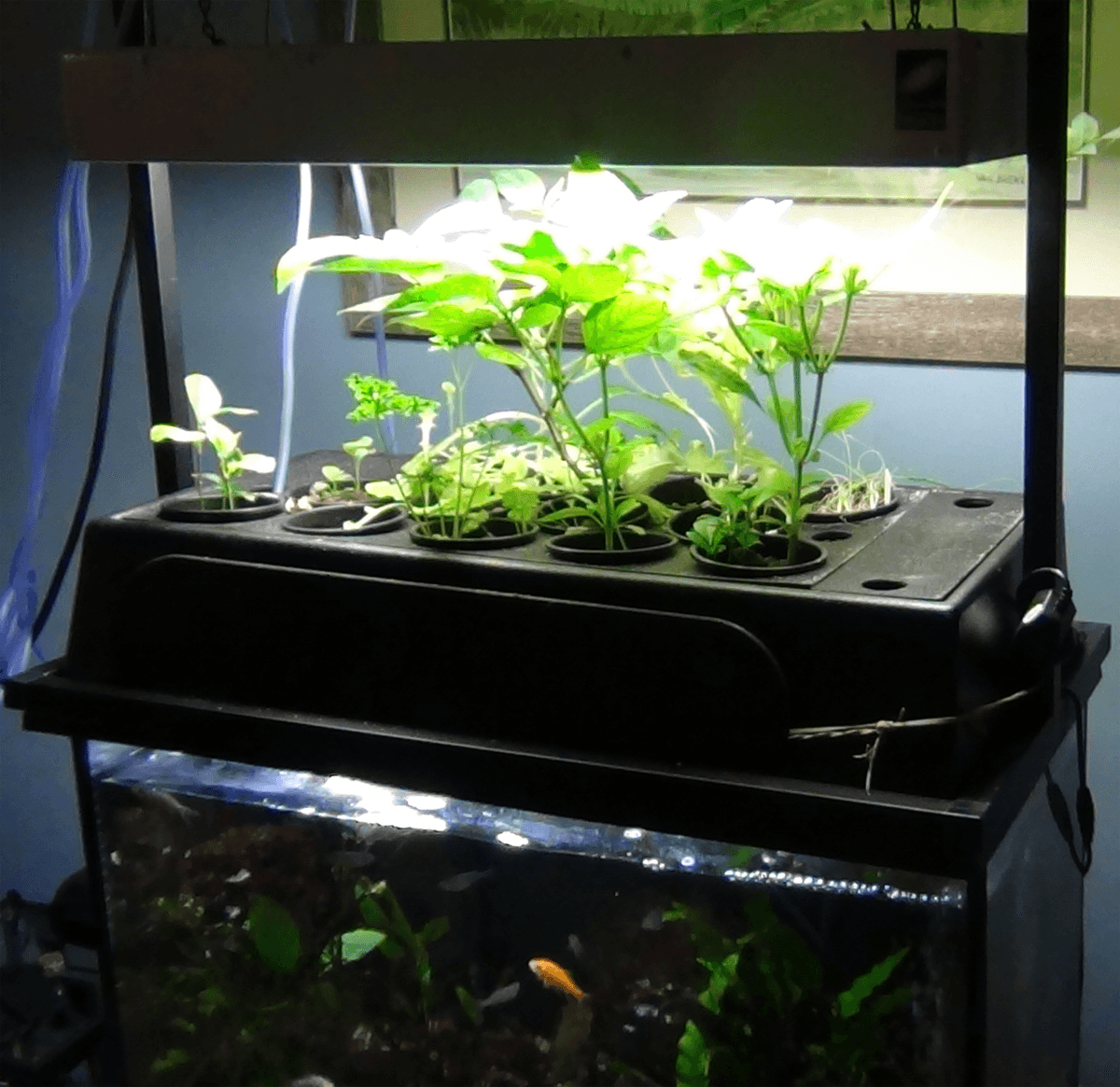 |
Transform your home aquarium into a lush, self-sustaining ecosystem by embracing the innovative practice of aquaponics.
This method seamlessly connects aquaculture and hydroponics, using fish to nourish plants while the plants naturally filter the water.
Begin your journey with hardy fish like goldfish or bettas and pair them with easy-to-grow herbs such as basil, lettuce, or mint.
Allow 3–6 weeks for beneficial bacteria to settle, as their work ensures the conversion of fish waste into essential nutrients.
Those interested in deepening their know-how can join events like the Composting and Aquaponics Workshop on May 9, 2026, in Atlanta, or the RAStech 2026 Conference later that month in St. Augustine.
Embracing aquaponics brings beauty, fresh food, and a sustainable edge to any household, inviting both seasoned and new aquarists to connect with nature in a rewarding way. Read More... |
Q/A Questions |
Q: What is the ideal water temperature range for most freshwater tropical fish? A: - The ideal water temperature range for most freshwater tropical fish is between 75-82 degrees Fahrenheit. Q: How often should I feed my freshwater tropical fish? A: - You should feed your freshwater tropical fish small amounts 2-3 times a day, only providing them with an amount of food they can consume in 2-3 minutes. Q: Can different species of freshwater tropical fish be kept together in the same tank? A: - Yes, different species of freshwater tropical fish can often be kept together in the same tank as long as they are compatible in terms of size, temperament, and water requirements. |
 |
Starting an aquarium can be thrilling but confusing amid a sea of equipment choices.
Focus on the essentials: a sturdy 20-gallon glass or acrylic tank offers a manageable balance for beginners, while a supportive stand ensures safety.
A dependable filter is vital for maintaining clean water, and a heater is necessary for tropical fish to keep temperatures steady between 75–80°F.
Include a thermometer for accurate monitoring.
Pick substrate—like sand or fine gravel—and add plants or decorations for fish comfort.
Don’t forget water conditioner to make tap water safe, a test kit for water quality, and basic cleaning tools like a net and siphon.
You can skip specialty additives, excessive chemicals, extra air pumps, and pricey lighting, as they're rarely needed for beginners.
Avoid overstocking—introduce fish gradually for a healthier, stress-free tank and an enjoyable aquarium experience at home. Read More... |
Secret Little Hack |
Adding almond leaves to your freshwater tank can help create a more natural environment for your tropical fish by lowering the pH level and reducing stress. |
 |
Interest in home aquariums has soared, attracting both beginners and longtime hobbyists.
These aquatic displays offer a peaceful retreat from daily stress, encouraging a closer bond with nature.
Setting up a thriving aquarium involves more than water and décor—it’s about building a balanced, healthy environment.
A major trend for 2026 is biophilic aquascaping, which mimics natural habitats to benefit both fish and viewers.
Eco-friendly systems, including low-tech setups with efficient LED lights and easy-to-grow plants, are also gaining popularity as people seek to reduce their environmental impact.
For newcomers, a medium-sized tank offers better stability, making it easier to maintain healthy water conditions.
Hardy species like tetras and guppies are ideal choices, especially when added gradually to avoid overloading the ecosystem.
Routine care—such as water changes and equipment checks—keeps aquariums in balance.
Community events, like the Keystone Clash in September, offer valuable learning and inspiration for all enthusiasts. Read More... |
Interesting Facts |
- Many freshwater tropical fish can change color depending on their mood or environment.
- Some species of freshwater tropical fish can live for up to 20 years.
- Some types of freshwater tropical fish are able to produce sounds by rubbing their bones together. |
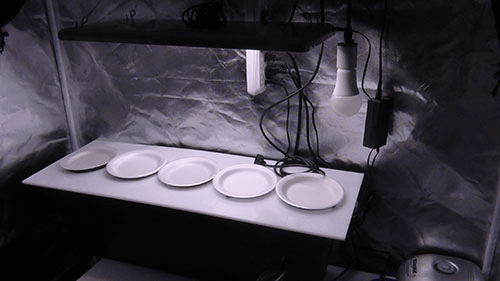
Aquaponics is capturing attention among home aquarium enthusiasts, fusing fishkeeping with eco-friendly plant cultivation.
Combining a houseplant—like a peace lily or pothos—with your aquarium offers a simple entry point, letting you observe the partnership as fish waste nourishes the plants and, in return, the plants help keep the water clean.
As confidence grows, expanding to herbs or lettuce becomes more approachable.
Patience is key: forming a balanced ecosystem demands 4–6 weeks as beneficial bacteria establish the nitrogen cycle.
Monitoring ammonia, nitrite, and nitrate levels during this period ensures safety for both fish and plants.
Aquaponics eases water changes but doesn’t remove the need for frequent checks and regular maintenance.
Innovative projects like Toronto’s Scadding Court Community Centre spotlight how aquaponics can flourish even in urban environments, offering fresh food year-round—even through winter.
Start small, be observant, and nurture your ecosystem for practical and beautiful rewards in your home. Read More... |
💡 Answer to Trivia Question: The Arapaima, also known as the Pirarucu, can grow up to 15 feet in length and weigh over 400 pounds. |