
March 25, 2026 |
 |
From the Editor: Why I Still Believe in Beginners |
I have been keeping tropical fish for 63 years. That is not a typo—six decades plus three. And you know what? I still get excited when someone tells me they are setting up their first aquarium.
There is something magical about that moment when a beginner realizes fishkeeping is not just a hobby—it is a doorway to understanding a whole other world. The nitrogen cycle is not just chemistry; it is life support. Water parameters are not just numbers; they are the invisible architecture of an ecosystem.
This issue is for everyone who has ever stared at a tank in a pet store and thought, I want to do that. The seven fish species we feature here have launched millions of hobbyists into successful fishkeeping. They are forgiving, beautiful, and genuinely fun to keep.
My promise to you: follow the advice in this newsletter, and your first aquarium will not be your last. It will be the beginning of a journey that might just last 63 years.
— Steve Pond, Founder |
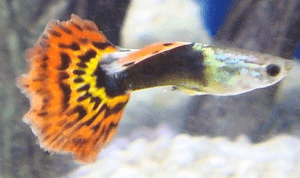
Guppies are a staple choice for beginner aquarists, celebrated for their stunning colors, hardy nature, and engaging activity.
Native to northeastern South America, including areas like Trinidad and Tobago, guppies thrive in a range of environments from streams to brackish waters.
Selective breeding has transformed guppies from the modestly colored wild forms to dazzling varieties, with males boasting vibrant hues and flowing fins.
A small group can start in a 10-gallon aquarium, though they flourish with more space and stable water.
These omnivores enjoy quality flake foods and love the occasional treat of live or frozen snacks like brine shrimp.
Guppies are known for their easy breeding habits; females can give birth to dozens of fry every month, adding excitement for new fishkeepers.
Their gentle temperament suits them for peaceful community tanks, making them ideal companions for other small, non-aggressive fish. Read More... |
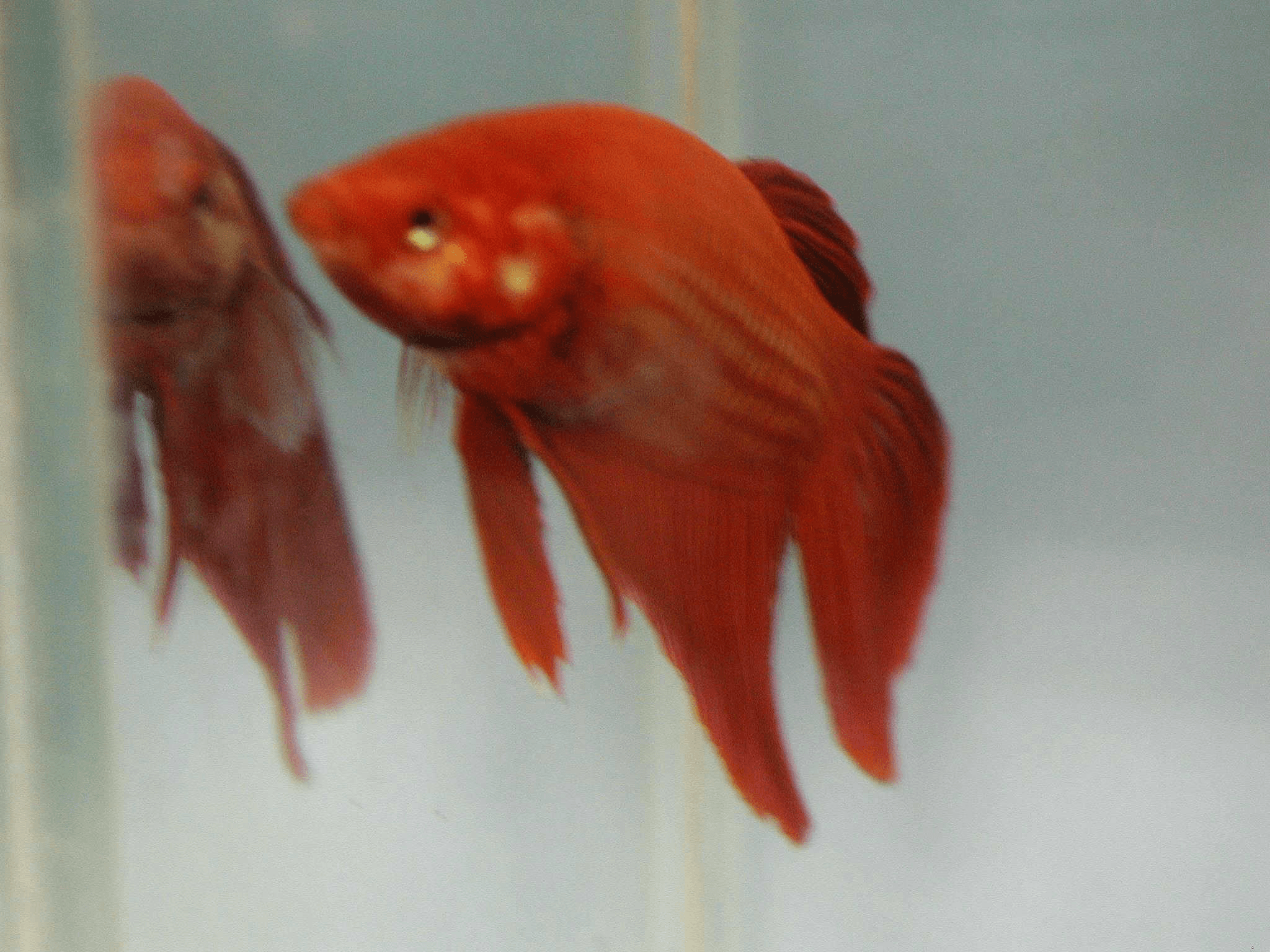
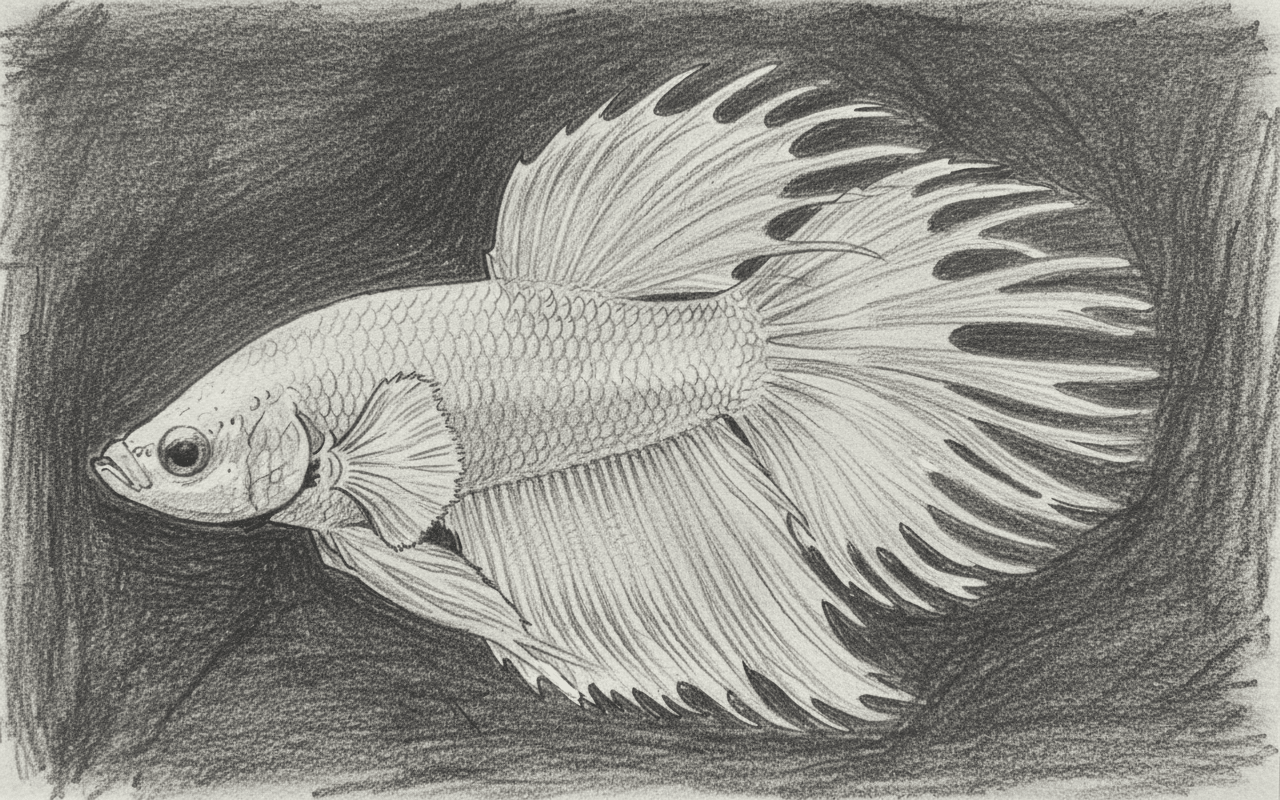
Trivia Question❓Which freshwater tropical fish is known for its bright, vibrant colors, and can be easily recognized by its long flowing fins and tail? Answer at the bottom of the newsletter |
Local aquarists can set up a thriving tank by choosing the right starter fish.
Guppies are a top pick for newcomers, thanks to their vivid colors, hardy nature, and energetic swimming.
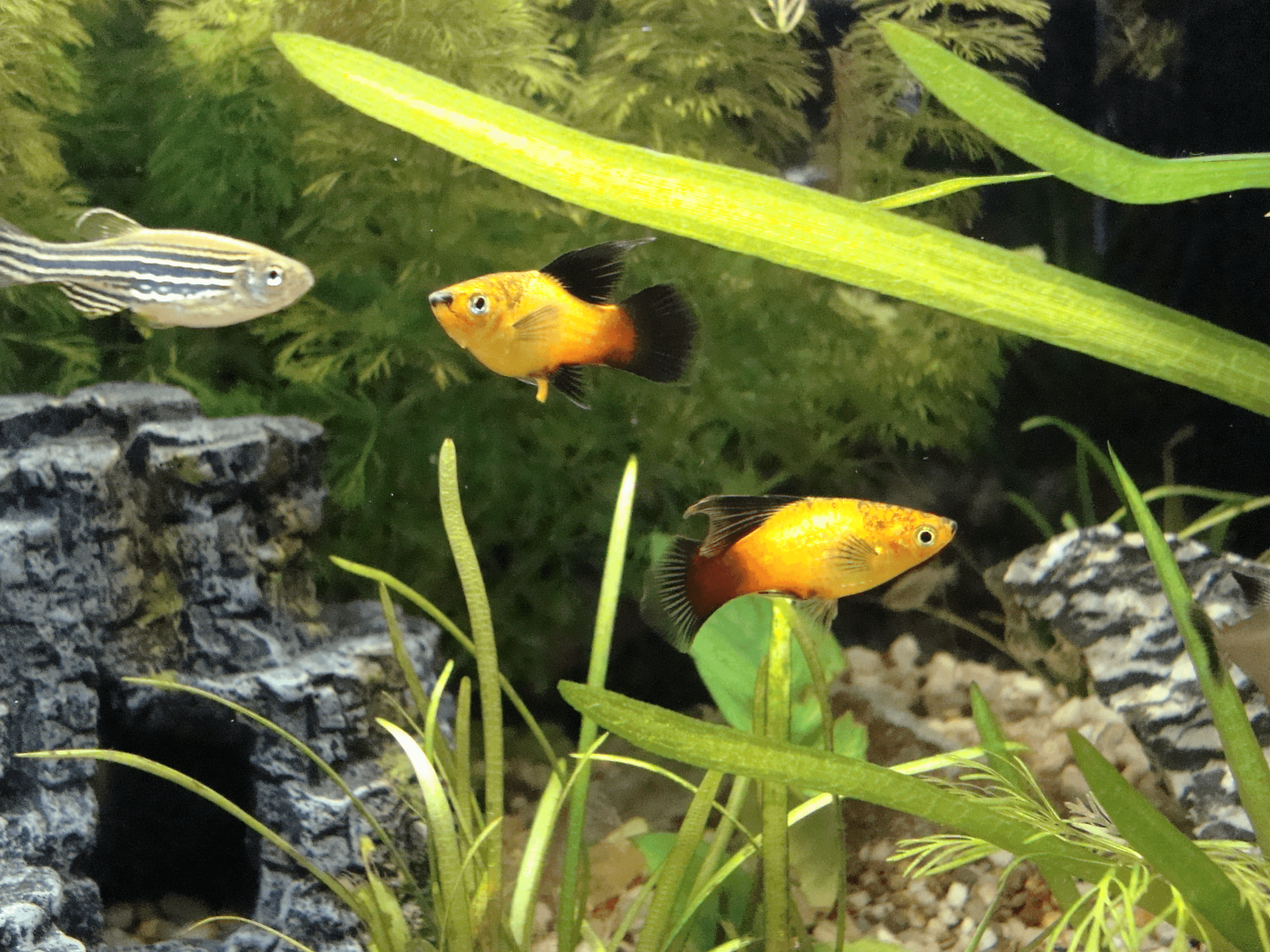
For those seeking peaceful tankmates, platies and swordtails stand out with their variety of hues and easygoing temperament.
Corydoras catfish are invaluable as small, social bottom-feeders that keep aquarium floors clean and bustling.
Zebra danios add excitement, as these striped fish thrive in fluctuating local conditions and prove remarkably hardy.
Neon tetras bring a splash of blue and red, forming active schools for a lively look.
Cherry barbs impress with their deep red tones and peaceful attitude—especially in friendly groups.
All these species tolerate common beginner errors and enjoy basic fish foods, making them ideal for a welcoming, colorful aquarium in any local home. Read More... |
Secret Little Hack: The 5-Minute Daily Check |
Want to know the secret to never losing fish to mysterious diseases? It is not expensive equipment or fancy test kits. It is a simple 5-minute daily observation routine.
Every day, before feeding, spend five minutes just watching your fish. Look for these warning signs:
Swimming behavior: Are all fish active and swimming normally? Lethargy or erratic swimming often signals problems.
Appetite: Do they rush to eat? A fish that ignores food is often the first sign of illness.
Physical appearance: Check for clamped fins, spots, or unusual color changes.
Breathing rate: Rapid gill movement can indicate oxygen problems or gill parasites.
Catch problems early, and you will solve them before they become disasters. This daily habit has saved more fish than any medication. |
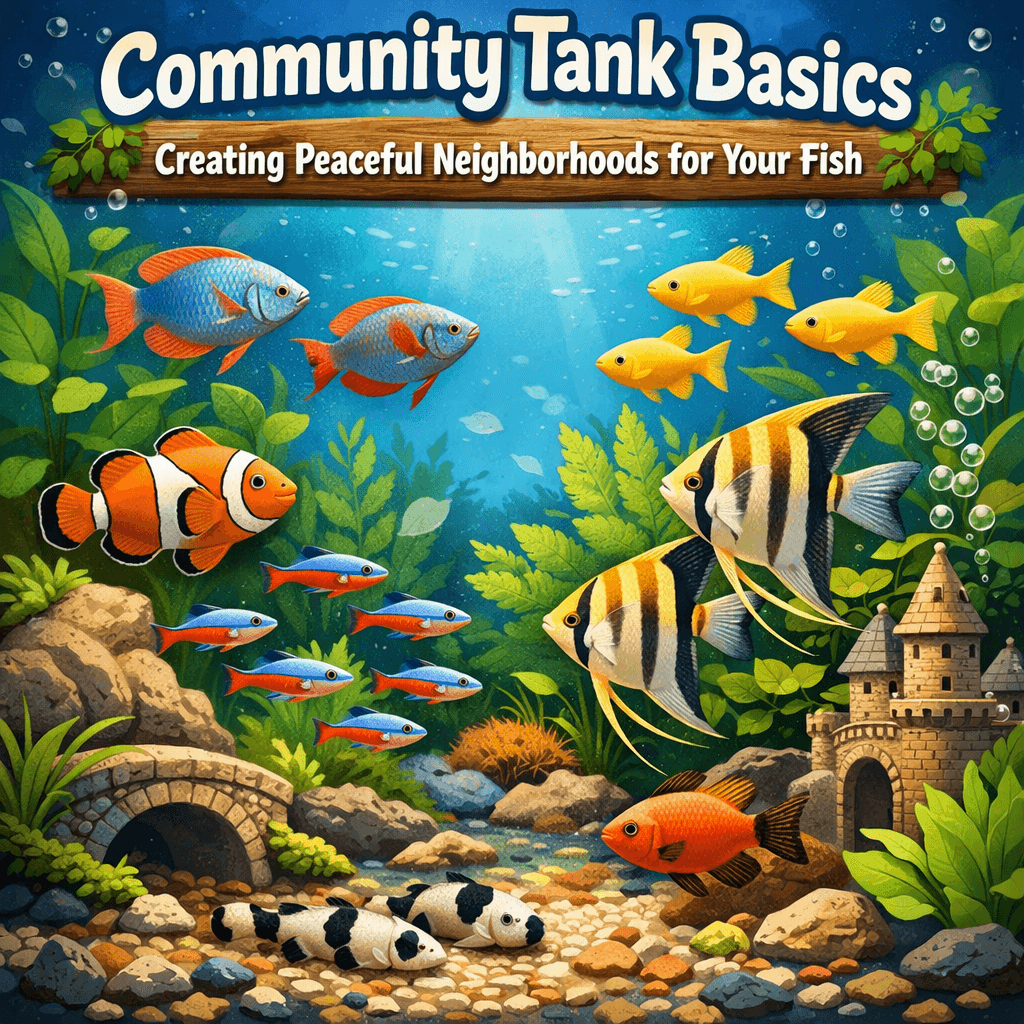
Creating a thriving aquarium community begins with understanding fish compatibility.
Fish personalities vary widely—some species are calm, while others can be territorial or timid.
Before introducing any fish, research their temperaments to ensure they will coexist peacefully.
Think of your tank as having three living zones.
Top-dwelling fish like guppies and danios fill the upper layer, tetras and platies swim the middle, and corydoras or loaches stay near the bottom.
Balance the space with fish from all zones for vibrant movement and harmony.
Keep size differences minimal—larger fish may see smaller ones as prey.
Also, match activity levels to prevent stress or bullying.
Never overcrowd your tank; it's better to understock and add gradually.
Monitor feeding, ensuring all species get proper nutrition, and respond quickly to any signs of aggression for a peaceful underwater world.
Read More... |
Did You Know? Surprising Fish Facts |
Guppies have superpowers: Female guppies can store sperm for months and produce multiple batches of fry from a single mating. This is why you might get baby guppies even when you only bought females!
Corydoras catfish breathe air: These bottom-dwellers have a modified intestine that allows them to gulp air from the surface. You will see them dart to the top periodically—that is completely normal.
Neon tetras change color: Their famous blue stripe is not actually blue—it is iridescent and changes based on viewing angle and light conditions. At night, they can actually turn off their colors completely.
Zebra danios are research stars: These hardy fish are used extensively in scientific research, including studies on heart regeneration. A zebra danio can regrow its heart muscle if damaged. |
Q&A: How Many Fish Can I Add to My New Tank? |
Question: I just set up my first 20-gallon tank and it has been running for a week. The pet store said I could add fish now. How many should I start with?
Answer: Whoa—stop right there! A week is not long enough for a new tank to be ready for fish. You need to cycle your tank first, which typically takes 4-6 weeks. During this time, beneficial bacteria colonies establish themselves in your filter and substrate. These bacteria convert toxic ammonia (from fish waste) into less harmful nitrites, then into relatively safe nitrates.
Adding fish before cycling is complete exposes them to ammonia poisoning—a painful death sentence. Instead, do a fishless cycle using pure ammonia or fish food to feed the bacteria. Test your water daily with a liquid test kit (not strips) until you see ammonia and nitrite drop to zero while nitrate appears.
Once cycled, start with just 3-4 small fish for a 20-gallon tank. Wait two weeks, test your water, and if parameters remain stable, add 2-3 more. Patience in the beginning prevents disasters later. |
Quote of the Week |
The aquarium is a window into another world—a world that teaches patience, responsibility, and the delicate balance of life. Every successful aquarist is first a student of nature.
- Unknown |
💡 Answer to Trivia Question: Betta fish |
 |
 |