
February 11, 2026 |
World Aquarium Day, celebrated every February 20th, brings together aquarium lovers from across the globe to honor the wonders of aquatic life.
Established by Oliver Knott, a leading figure in aquascaping, the event inspires aquarists to show off their tropical fish, freshwater species, vivid corals, and lush aquatic plants.
Enthusiasts join in by posting their striking aquascapes online, using hashtags like #worldaquariumday and #aquariumhobby to connect with a worldwide community.
This annual celebration not only spotlights the rich diversity in aquariums but also builds a strong sense of unity among hobbyists.
Sharing your own underwater scenes can spark inspiration and expand appreciation for aquatic environments everywhere.
Everyone—whether experienced or just starting—can take part, connect, and discover the breathtaking beauty beneath the surface. Read More... |
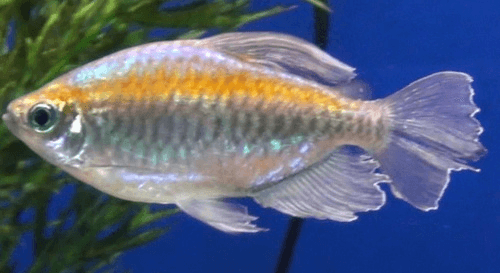 |
Congo Tetra (Phenacogrammus interruptus) |
Species Overview
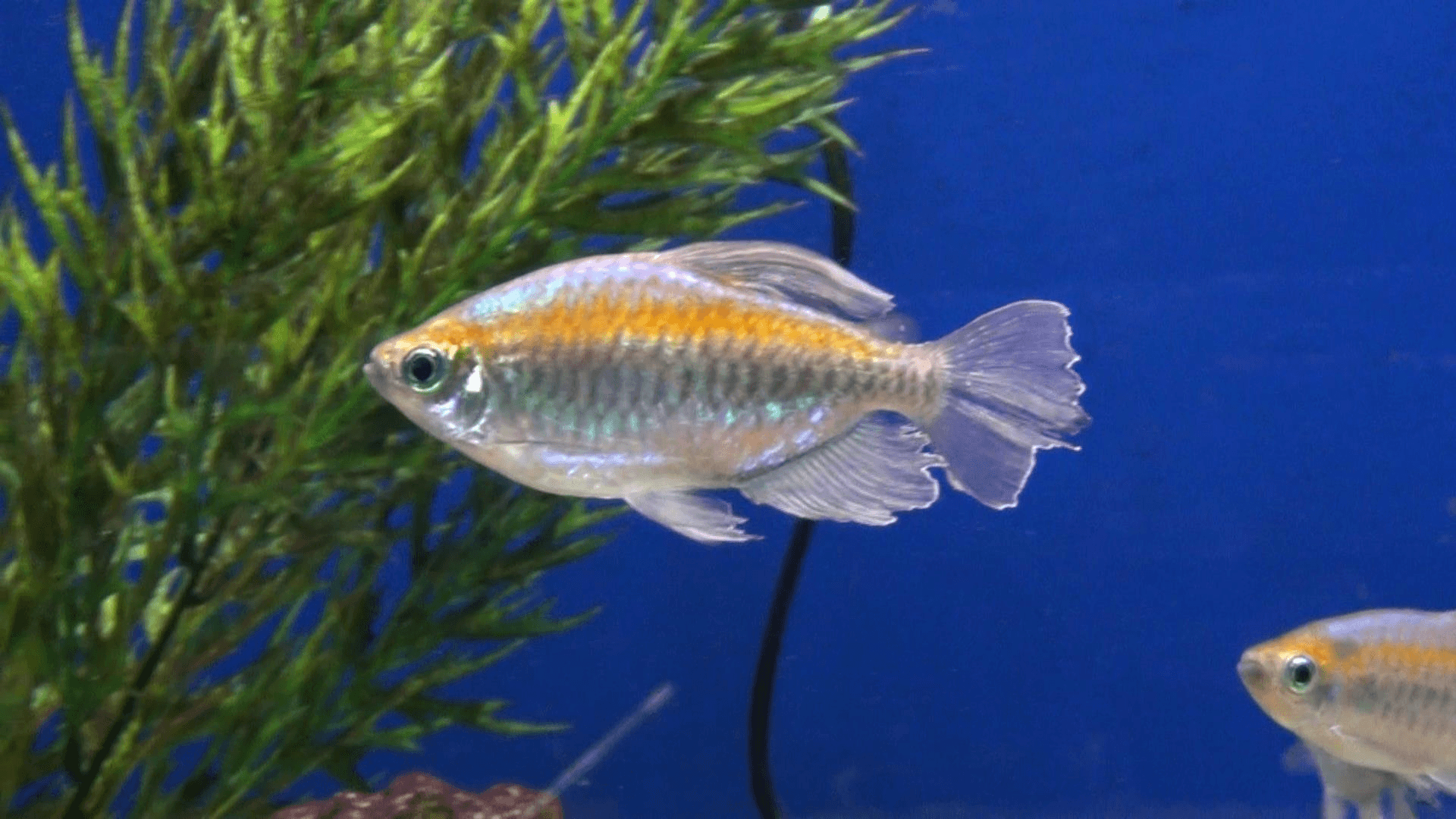
The Congo Tetra (Phenacogrammus interruptus) is a stunning African species known for its iridescent scales that shimmer with rainbow colors. Males display flowing finnage and brilliant coloration, making them a centerpiece fish for community aquariums. These fish originate from the Congo River Basin in Central Africa and can grow to 3-3.5 inches in length, with males being larger than females. With proper care, Congo Tetras typically live between 3 and 5 years. They are peaceful schooling fish that require moderate care, making them suitable for aquarists with some experience.
Tank Requirements and Setup
Congo Tetras require a minimum of 30 gallons for a school of six individuals, though a 55-gallon or larger tank is recommended for optimal schooling behavior and swimming space. The tank should maintain water temperatures between 73 and 82°F, with an ideal range of 75 to 78°F. These fish prefer slightly acidic water with a pH between 6.0 and 7.5, and water hardness should fall between 3 and 18 dGH, ranging from soft to moderately hard. As with all aquarium fish, ammonia and nitrite levels must remain at zero, while nitrates should be kept below 20 ppm through regular water changes and maintenance.
Filtration is crucial for Congo Tetras, requiring moderate to strong filtration with gentle to moderate water flow. A canister filter or quality power filter works well for these fish. The aquarium setup should include dark sand or fine gravel as substrate, which enhances the fish's natural coloration and mimics their river habitat. Avoid sharp substrates that could damage their delicate fins.
Lighting should be moderate, avoiding very bright illumination that can stress these fish and wash out their colors. Subdued lighting brings out their best iridescent qualities, and floating plants can help diffuse light throughout the tank. Congo Tetras thrive in heavily planted aquariums with plenty of vegetation, driftwood, and even leaf litter to mimic their natural environment. However, ensure there's adequate open swimming space in the center of the tank where the school can move freely. A dark background further enhances their coloration and helps them feel secure.
Tank Mates and Social Requirements
Congo Tetras are peaceful community fish that do well with other gentle species. Excellent tank mates include other peaceful tetras like Rummy-nose and Emperor Tetras, Corydoras catfish, peaceful dwarf cichlids such as Rams and Apistos, rainbowfish, peaceful gouramis, and Kuhli loaches. However, you should avoid keeping them with aggressive fish, fin nippers like Tiger Barbs, very small fish that may become intimidated by their size, or large predatory species.
These fish are schooling species by nature and absolutely must be kept in groups. A minimum of six individuals is required, though eight to twelve is recommended for the best natural behavior and reduced stress. When kept alone or in groups that are too small, Congo Tetras become shy, stressed, and may hide constantly. For breeding considerations or to reduce male aggression, maintain a ratio of more females than males, ideally two females for every male.
Feeding and Nutrition
Congo Tetras are omnivores with a preference for meaty foods. Their staple diet should consist of high-quality flake food or micro-pellets designed for tropical fish. Supplement this base diet regularly with protein-rich foods such as brine shrimp, bloodworms, and daphnia, offered either frozen or live. Occasionally provide vegetable matter like blanched spinach or spirulina flakes. Variety in the diet is key to maintaining optimal health and bringing out their spectacular coloration.
Feed your Congo Tetras two to three times daily, offering only what they can consume within two to three minutes to avoid overfeeding and water quality issues. It's beneficial to fast them one day per week, which aids digestion and helps maintain water quality. A varied, high-quality diet is essential for developing and maintaining their famous iridescent colors, especially in males.
Behavior and Temperament
Congo Tetras are active swimmers that occupy the middle to upper levels of the water column. They're most active during dawn and dusk hours, displaying natural behaviors that include males showing off to each other and to females with their extended fins and shimmering bodies. While peaceful, these fish can startle easily, particularly when first introduced to an aquarium or when there are sudden movements near the tank. This is why a secure lid is essential, as frightened Congo Tetras may jump.
Signs of stress in Congo Tetras include constant hiding, faded colors, clamped fins held close to the body, and abnormal positioning such as staying exclusively at the surface or bottom of the tank. If you observe these behaviors, check your water parameters, ensure the school is large enough, verify that tank mates are compatible, and assess whether the lighting is too bright or the tank lacks sufficient cover.
Distinguishing Males from Females
Sexual dimorphism in Congo Tetras becomes apparent as they mature. Males are larger, reaching up to 3.5 inches in length, and develop extended, flowing dorsal and tail fins that make them especially attractive. Their coloration is more intense and iridescent, with pronounced blue and violet hues that shimmer in proper lighting. Females are smaller, typically reaching only 2.5 to 3 inches, with shorter, more rounded fins. Their coloration is less intense than males, though still attractive, and mature females develop fuller bodies, especially when carrying eggs.
Breeding Information
Breeding Congo Tetras is moderately to difficult for beginners but can be accomplished with proper preparation. A separate breeding tank of at least 20 gallons should be set up with soft, acidic water at a pH between 6.0 and 6.5, and temperatures between 77 and 80°F. The breeding tank should contain Java moss or spawning mops where eggs can be deposited, and lighting should be very dim.
To encourage breeding, condition a selected pair with high-quality live foods for several weeks. Spawning typically occurs in the early morning hours. After spawning, it's crucial to remove the parents immediately as they will readily eat their own eggs. The eggs hatch in approximately six to seven days, and the fry become free-swimming three to four days after hatching. Initially, fry should be fed infusoria or liquid fry food, graduating to baby brine shrimp as they grow larger.
Health Considerations
Congo Tetras are generally hardy and disease-resistant when proper water quality is maintained. However, they can fall victim to common aquarium diseases. Ich, also known as white spot disease, appears as small white spots on the body and fins. Treatment involves raising the temperature gradually to 80°F and adding aquarium salt or commercial ich medication according to package directions.
Fin rot, characterized by frayed and discolored fins, is typically caused by poor water quality. Treatment involves immediate water changes and antibacterial medication if necessary. Many health issues stem from stress-related problems caused by inadequate school size, aggressive tank mates, or declining water quality. Prevention through proper stocking, compatible tank mates, and regular maintenance is far easier than treating sick fish.
Maintenance and Care Schedule
Daily care involves checking the water temperature, observing fish behavior and appearance for any signs of illness or stress, and feeding two to three times as described earlier. Weekly maintenance should include testing water parameters to ensure they remain stable, performing a 25% water change, and removing any debris or uneaten food from the substrate.
Monthly tasks include cleaning filter media in old tank water rather than tap water to preserve beneficial bacteria, thoroughly vacuuming the substrate to remove accumulated waste, trimming plants as needed to maintain the aquascape, and checking all equipment to ensure it's functioning properly. Consistent maintenance prevents most health problems and keeps your Congo Tetras displaying their best colors and behaviors.
Tips for Success
Successfully keeping Congo Tetras requires attention to several key factors. Never keep these fish alone or in groups smaller than six, as they're obligate schoolers that become stressed without adequate companions. When introducing new Congo Tetras to your aquarium, use a drip acclimation method for at least 45 minutes to help them adjust gradually to new water parameters.
Always use a secure, well-fitting lid, as these fish can and will jump when startled. Avoid sudden movements near the tank, especially during the first few weeks after introduction. Maintain stable water parameters, as Congo Tetras dislike sudden changes in temperature, pH, or hardness. Feed a high-quality, varied diet to bring out their spectacular coloration. It's best to add Congo Tetras to a mature tank that has been cycled and stable for at least four to six weeks. Initially, keep lighting dim to help them adjust to their new environment and reduce stress.
Cost Considerations
When budgeting for Congo Tetras, expect to pay between $6 and $12 per individual fish, depending on size and your location. An initial school of six fish will cost approximately $35 to $70. The complete tank setup for a 30-gallon aquarium, including the tank, filter, heater, lighting, substrate, and decorations, typically ranges from $200 to $400. Monthly maintenance costs, including food, water conditioner, and electricity, generally run between $20 and $40.
Congo Tetras are spectacular fish that reward patient aquarists with shimmering, rainbow-colored scales and graceful swimming movements. They require a commitment to keeping proper school sizes, providing planted tanks with appropriate lighting, and maintaining consistent water quality. While they demand more attention than basic beginner fish, their beauty and peaceful nature make the extra effort worthwhile. These fish are perfect for aquarists ready to move beyond basic fishkeeping but not quite ready for truly advanced species that require specialized care. Congo Tetras are recommended for intermediate beginners with established, cycled tanks who can maintain stable water conditions and provide the proper schooling numbers these social fish require to thrive. |
 |
FAQ |
Frequently Asked Questions
I can't find my Congo Tetras, they are always hiding If your Congo Tetras are hiding constantly, this likely indicates too few fish in the school, excessively bright lighting, or incompatible tank mates. Increase the school size to at least eight individuals, add more plants and floating vegetation, and review your choice of tank mates for any potential bullies.
How long until my Congo Tetras fully develop? Male Congo Tetras develop their full coloration and extended finnage at eight to twelve months of age when provided with proper care, nutrition, and water conditions. Younger fish and those kept in suboptimal conditions may take longer or never fully develop their potential.
Will Congo Tetras be OK with my shrimp? Regarding compatibility with shrimp, Congo Tetras may eat small baby shrimp but generally ignore adult Cherry Shrimp or Amano Shrimp. If breeding shrimp is your goal, provide dense plant coverage where babies can hide.
Are Congo Tetras OK without a heater? No, Congo Tetras absolutely need a heater, as they're tropical fish requiring stable temperatures between 73 and 82°F. Temperature fluctuations can cause stress and illness.
The fins on my Congo Tetras are appearing ragged and torn, what is wrong? If you notice damaged fins, this may result from fin nipping by aggressive tank mates, poor water quality causing fin rot, or physical injury from sharp decorations. Check your tank mates for aggression, test water parameters, and inspect all decorations for sharp edges that should be removed or smoothed. |
Filtration for Novices |
Your Filter Options Choosing the Right Aquarium Filtration
When you first set up an aquarium, the beautiful fish swimming gracefully through crystal-clear water capture your imagination. What you cannot see, however, is the invisible army of waste products, uneaten food particles, and potentially harmful chemicals accumulating in that water every single day. This is where your aquarium filter becomes not just helpful, but absolutely essential to keeping your fish healthy and your water sparkling clean.
|
Q/A Questions |
Q: What are the four main types of aquarium filters? A: The four main types are air filters, under gravel filters, power filters (hang-on-back), and canister filters.
Q: How do air filters work? A: Air filters use an air pump to create bubbles that draw water through a sponge or filter media, providing both filtration and oxygenation.
Q: What's the advantage of under gravel filters? A: They're inexpensive and use the gravel bed itself as biological filtration, making them easy to set up for beginners. |
Seeing is Believing Mechanical Filtration Across Four Filter Styles |
Mechanical filtration is the type of filtration you can actually see working. When you watch particles and debris being pulled into your filter and clear water flowing out, you are witnessing mechanical filtration in action. This is the process of physically removing solid waste from your aquarium water, and it is the first line of defense in keeping your tank clean and your fish healthy. Every filter we discuss in this series performs mechanical filtration, but each does so in its own unique way.
|
Trivia Question❓What is the largest species of freshwater tropical fish that is commonly kept in home aquariums? Answer at the bottom of the newsletter |
The Invisible Guardians Biological Filtration and Your Filter's Living System |
If mechanical filtration is the process you can see working, then biological filtration is the miracle you cannot see but absolutely cannot live without. This is where your aquarium filter transforms from a simple machine into a living ecosystem, hosting colonies of beneficial bacteria that protect your fish from poisoning themselves with their own waste. Understanding biological filtration represents a turning point for most new aquarists, the moment when an aquarium stops being just a pretty decoration and becomes a balanced miniature environment that you actively manage and maintain.
|
The Chemistry Lab Chemical Filtration in Your Four Filter Types |
While mechanical filtration removes particles and biological filtration eliminates ammonia and nitrite, chemical filtration works on an entirely different level. This is the type of filtration that addresses dissolved substances in your water, things you cannot see but that nonetheless affect water clarity, odor, color, and the overall health of your fish. Chemical filtration uses special media that absorbs, binds, or removes various dissolved compounds, essentially performing chemistry experiments continuously inside your filter. Not all aquariums require active chemical filtration all the time, but understanding how each filter type can provide it gives you valuable tools for maintaining water quality and solving problems when they arise.
|
Choosing Your Champion Matching Filter Types to Aquarium Needs |
Throughout this newsletter, we have explored how four very different filter types approach the essential tasks of aquarium filtration. We have examined mechanical filtration that removes visible particles, biological filtration that eliminates toxic ammonia and nitrite, and chemical filtration that polishes water by removing dissolved compounds. Now we arrive at the practical question every aquarist faces: which filter type is right for my aquarium? The answer, as you might expect, depends on your specific situation, your fish, your maintenance preferences, and your goals for the aquarium. There is no single best filter for everyone, but there is almost certainly a best filter for you.
|
💡 Answer to Trivia Question: The Arapaima, also known as the Pirarucu, is the largest freshwater tropical fish commonly kept in home aquariums, growing up to 10 feet in length. |
 |
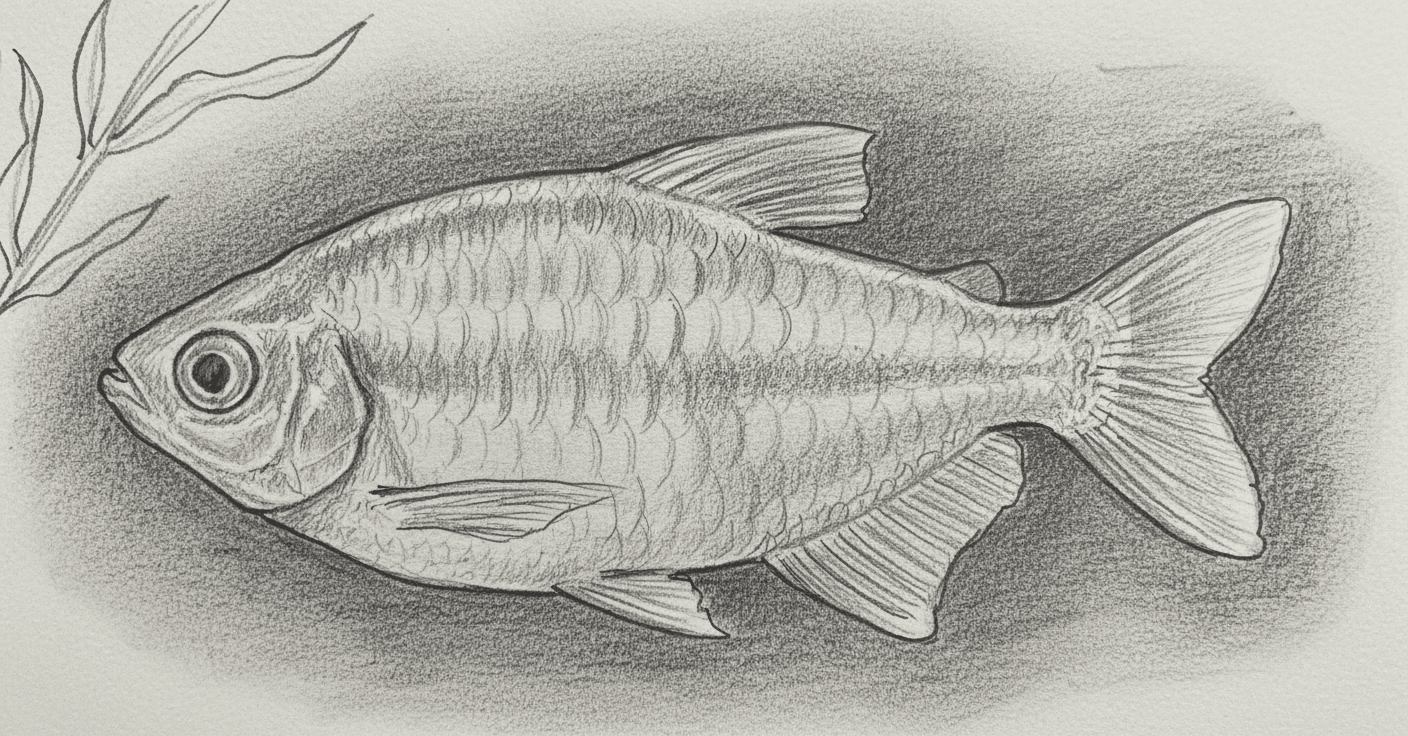 |
Congo Tetra |