
January 28, 2026 |
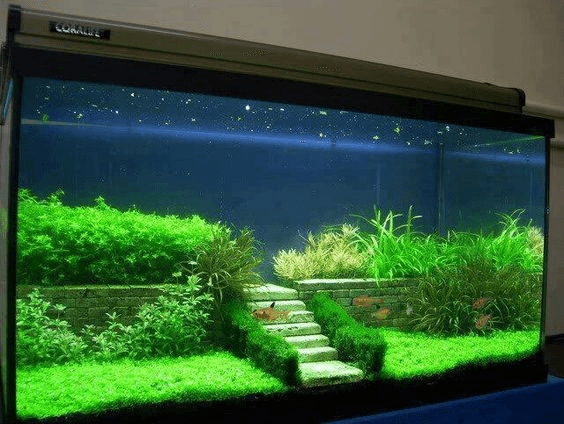 |
Achieving a lush planted aquarium begins with selecting both the right plants and a well-suited filtration system.
The filter not only keeps water crystal clear but also supports a balanced ecosystem for healthy plant growth.
While live plants naturally absorb toxins and add oxygen, supplemental filtration remains essential to remove debris and maintain stable water quality.
Canister filters stand out for their power, versatility, and quiet operation—ideal for larger tanks where plant life thrives.
For smaller tanks, hang-on-back filters offer convenience and efficient cleaning, though they can cause slight CO2 loss.
Sponge filters are gentle on delicate species and fry, ensuring solid biological support in smaller aquariums.
To keep your system running smoothly, clean filters regularly and replace media gradually.
Local stores like Coral Sea Aquariums in West Palm Beach provide expert advice and supplies, helping hobbyists create vibrant aquatic displays. Read More... |
Dieter Hagen, Vice Chairman of the Board of Hagen Group Dead at 85 |
 |
The article is an obituary honoring Dieter Hagen, one of the three brothers that founded of Hagen Group, who passed away in 2025. |
| Read More... |
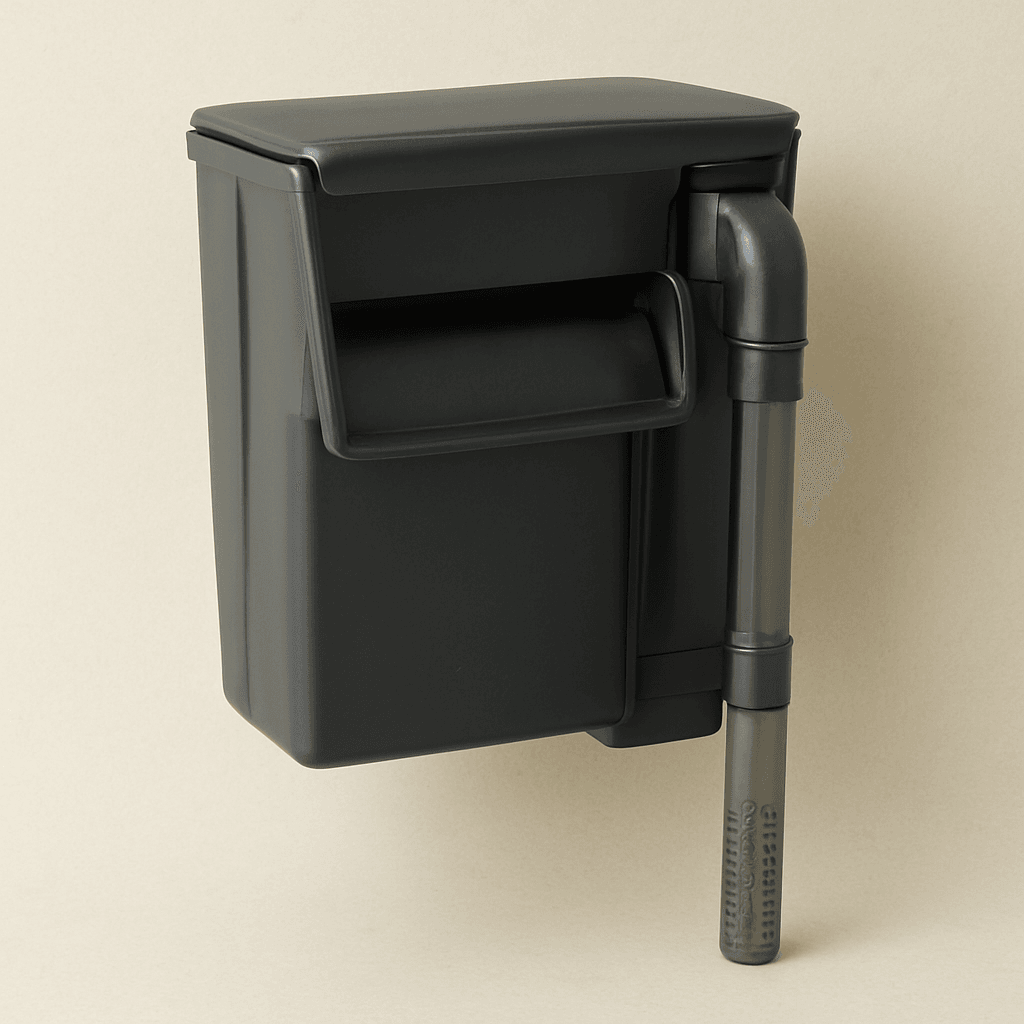 |
Beginning your fishkeeping adventure means learning about essential equipment, and the power filter tops the list.
This device is vital for aquarium health, acting as the heart of the tank’s filtration system and performing three main tasks.
It handles mechanical filtration by trapping debris, uneaten food, and waste to prevent cloudy water.
During biological filtration, colonies of beneficial bacteria transform toxic ammonia into safer compounds through the nitrogen cycle.
Chemical filtration uses activated carbon to remove dissolved impurities and keep water fresh.
Since aquariums are closed systems, a power filter is essential to control toxins, maintain clarity, and provide oxygen-rich water.
For beginners, choose a filter sized for your tank—bigger is usually better.
Hang-on-back filters are reliable, easy to use, and widely recommended.
Joining upcoming aquarium events, like FIN-DIG 2025 in Sacramento or the Catfish & Crappie Conference in Louisville, is a great way to learn and connect with fellow enthusiasts. Read More... |
Trivia Question❓Which type of freshwater tropical fish is known for possessing a labyrinth organ that allows them to breathe air at the water's surface? Answer at the bottom of the newsletter |
 |
In Pittsburgh, Glenn Galloway runs Fishy Things, a mobile service devoted to aquarium care for both freshwater and saltwater tanks.
With more than 25 years of experience, Galloway handles everything from cozy home aquariums to sprawling 500-gallon displays.
He offers flexible maintenance schedules, designed around each client’s preferences and budget.
Longtime customers like Marlon Fedele count on Galloway’s expertise to keep their tanks thriving month after month.
Galloway’s iconic “Squid Car,” a Toyota Highlander decked out in bold aquatic graphics, is a familiar sight, signaling his trusted presence to clients and neighbors alike.
Alongside regular upkeep, he consults on design and setup, creating the best environments for tropical fish and aquatic life.
Fishy Things offers reliable, expert service to Pittsburgh-area aquarists seeking vibrant, healthy tanks. Read More... |

 |
Livebearers such as guppies, platies, mollies, and swordtails bring vibrant color and lively activity to home aquariums.
A spacious tank of at least 20 gallons helps accommodate their energetic swimming and reduces conflict.
Adding live plants like hornwort and java fern creates hiding spots and supports better water quality.
Maintain water slightly alkaline, with a pH between 7.0 and 8.4, and a temperature of 74°F to 78°F.
Weekly water changes are crucial for a stable, toxin-free environment.
Balance social dynamics by keeping more females than males, minimizing stress and aggression.
Feed a varied omnivorous diet, including quality flakes, vegetables, and occasional protein-rich treats to boost health and color.
Since livebearers breed frequently, control populations with well-planted tanks, breeding boxes, or separate rearing tanks.
Choose peaceful tankmates like Corydoras catfish, rasboras, or dwarf gouramis, and avoid fin-nippers.
With attentive care, your community will thrive, providing beauty and dynamic interactions daily. Read More... |
Tip of The Day |
Keep your aquarium clean by performing regular water changes and gravel vacuuming. This will help prevent ammonia buildup and keep your fish healthy and happy. |
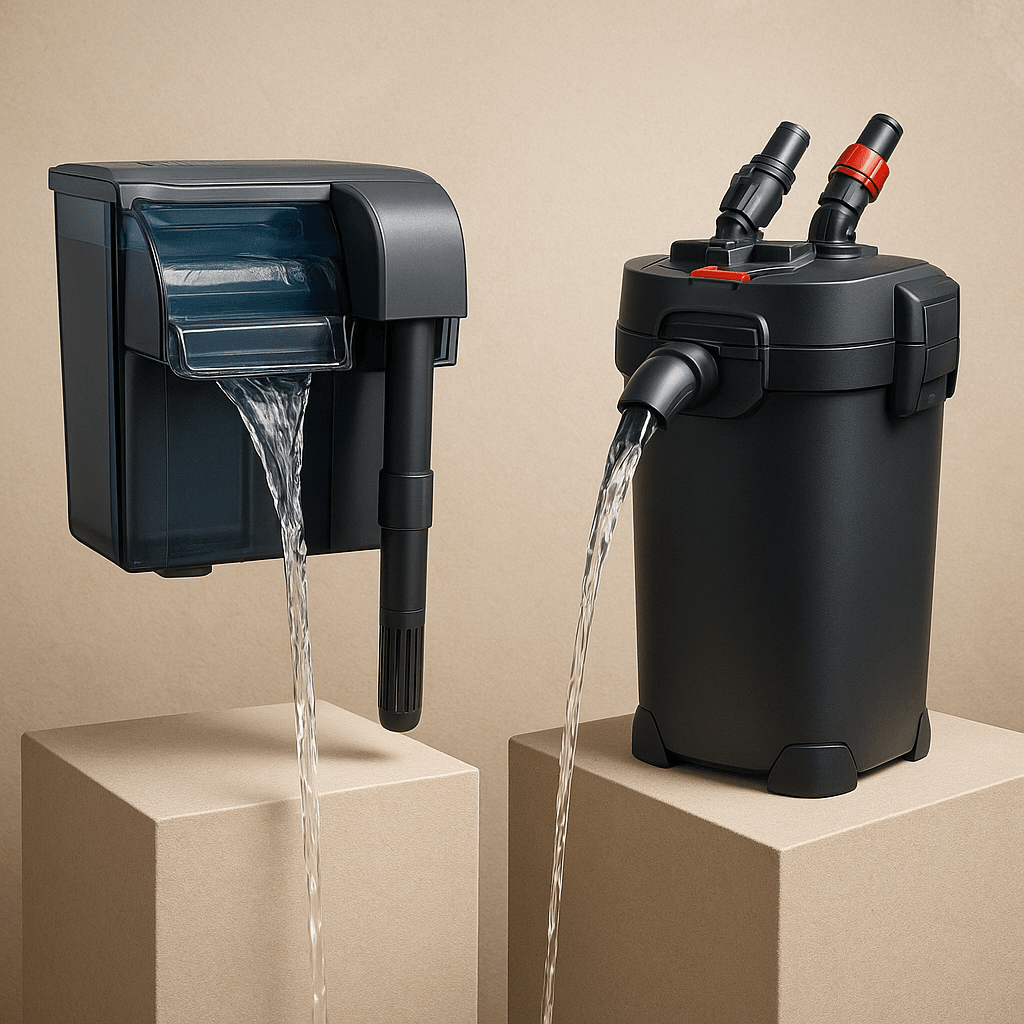 |
Choosing between power filters and canister filters depends on your aquarium’s size, fish load, and maintenance preferences.
Power filters hang on the back of your tank, offer easy installation, and are budget-friendly.
They’re best for smaller tanks under 50 gallons, beginners, or those seeking simple upkeep.
While they provide decent oxygenation and don’t take up extra space, their smaller media capacity can limit advanced filtration, and the waterfall return may create some noise.
Canister filters, on the other hand, sit below the aquarium and deliver robust filtration for larger tanks, messy fish, or high bioloads.
They allow for more media customization, run quietly, and maintain a sleek aquarium look, but require more setup, cost, and maintenance effort.
Ultimately, consistent filter cleaning ensures healthy water—choose the option you’ll maintain most reliably. Read More... |
FAQs
Q: Can I use both a power filter and a canister filter simultaneously? A: Yes, many aquarists use both to combine the convenience of a power filter with the superior capacity of a canister filter.
Q: How often should I clean my aquarium filter? A: It's recommended to check and clean your filter media every 2-4 weeks, but this can vary based on your tank's bioload and specific filter type.
Q: Are canister filters suitable for small tanks? A: Canister filters are generally more suited for larger tanks due to their capacity and flow rates, but there are smaller models available for tanks under 50 gallons. |
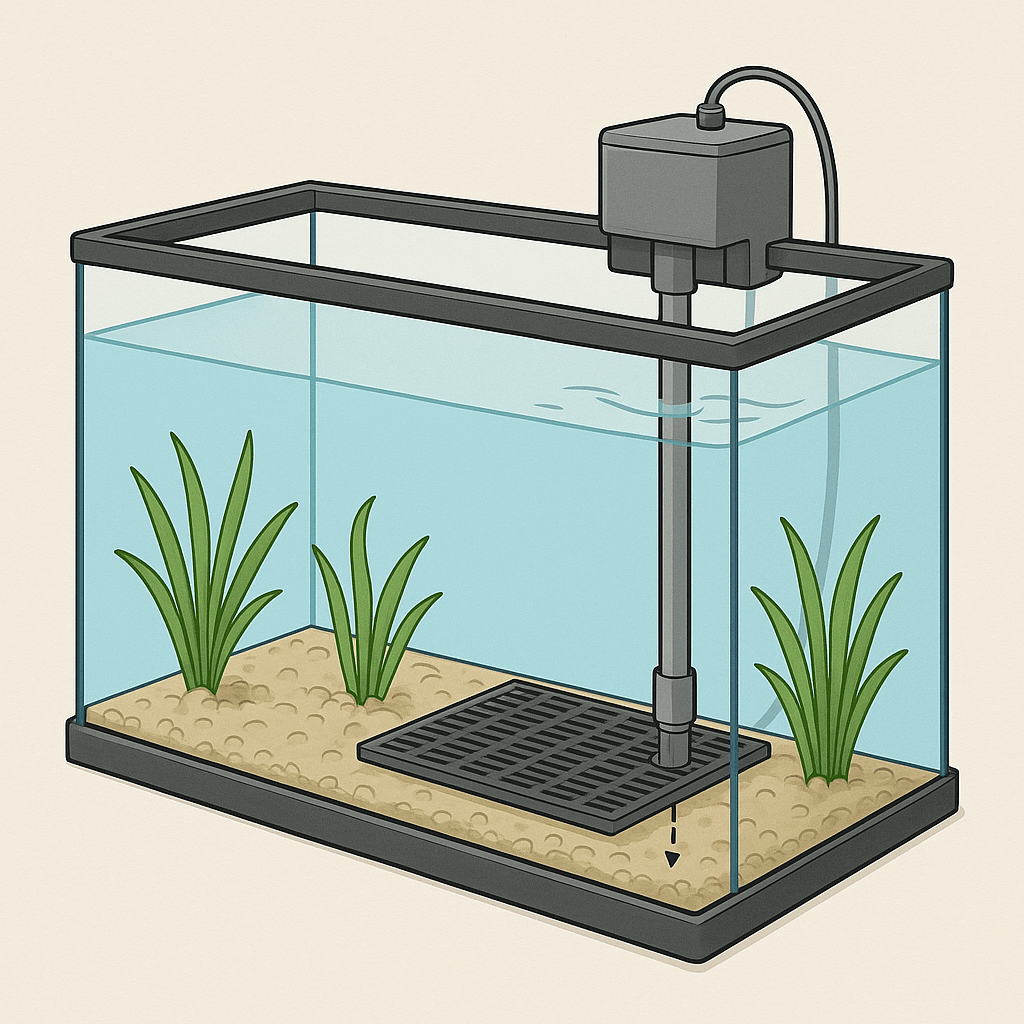 |
Undergravel filters (UGFs) have offered aquarists a simple, affordable way to maintain water quality for decades.
Placed beneath gravel, a UGF pulls water through the substrate with the help of air pumps or powerheads, creating steady flow and encouraging colonies of beneficial bacteria.
This biological filtration breaks down toxic ammonia and nitrites, supporting healthy aquatic life.
UGFs are valued for their low cost, minimal maintenance, and proven track record, making them a practical choice for budget-friendly tanks or as supplementary filtration.
However, drawbacks include debris accumulation, limited suitability with fine substrates or live plants, and difficulty in making changes once installed.
UGFs remain relevant for simple community, breeding, or quarantine tanks but may not suit heavily planted or specialized setups.
Regular cleaning and careful planning help UGFs thrive as reliable filtration in modern aquariums. Read More... |
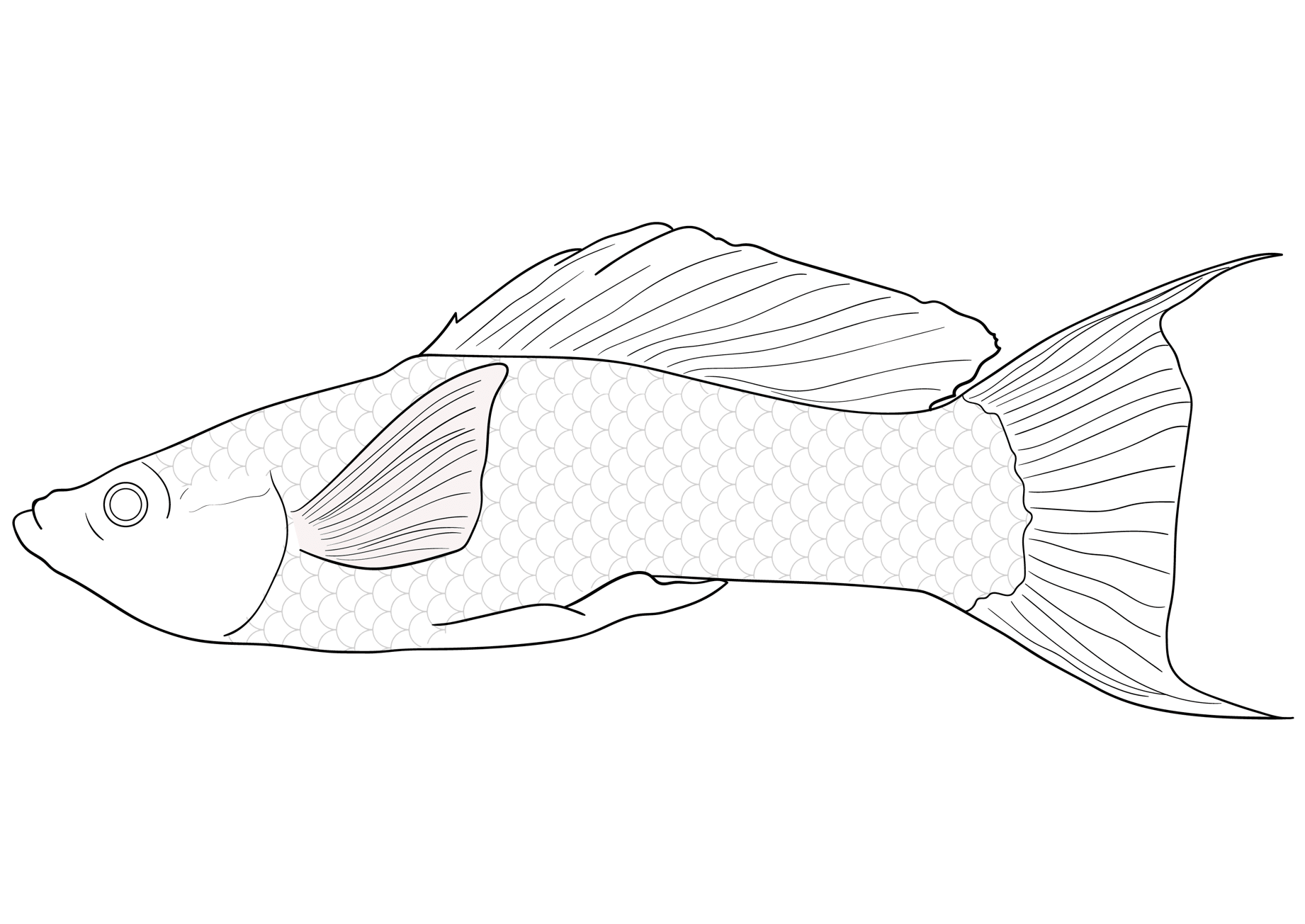 |
Black Molly - Poecilia sphenops |
💡 Answer to Trivia Question: The Betta fish. |