
December 17, 2025 |
 |
What do you expect from your new fish tank? |
In my 63 years of keeping fish, I have asked this question a lot! And I have rarely ben disappointed when the answer seems to appear out of the blue, often at a live fish store where the newest species suddenly is presented. or an individual of one I have seen often but does something unexpected enough to make me consider it a new resident in my home.
This is one of the joys of keeping fish. Learning all about them, or sometimes just enough to keep them alive and well as other inhabitants get added to make a new living picture to soothe and help me through the day.
Have you asked yourself what you expect from your new fish tank recently? Are you new to the hobby and just want to be successful with a few fish to make the living picture active and colorful, or are you wondering if you should challenge yourself with a different species that might be a challenge to keep. Or do you want to see a full spawning cycle and create new life in your home.
All are important questions to ask, and they can help determine the way a new tank is created and stocked. And, it could even be a combination of two or three attitudes. e,g, you want a very challenging tank that offers the challenge of spawning with no budget too large? (If so, a marine tank with clownfish could be in your future!)
Seriously, though the hobby and science of fish keeping offers a broad range of habitats that can suit almost any personality. I personally prefer to have a tank that has lots of activity and brilliant colors, but isn't a nightmare to keep in proper shape.
Luckily, for me, the African Cichlids from Lake Malawi ticks all the boxes. I can overstock an African tank, which is easy since it takes about 6 juveniles to get at least one pair, while juveniles are usually under a couple of inches full grown specimens can be up to 6" and are so hardy they can all live for years. Since they are mouth brooders for the most part, their reproductive solution allows them to breed in-tank and create multi-generational systems with all sizes of fish living together in relative harmony.
|
Trivia Question❓What unusual behavior do clown loaches exhibit that often alarms new aquarium owners into thinking their fish have died? Answer at the bottom of the newsletter |

Clown Loach (Chromobotia macracanthus) |
Taxonomy and Classification
The clown loach, scientifically known as Chromobotia macracanthus, belongs to the family Botiidae within the order Cypriniformes. This species was originally described by Pieter Bleeker in 1852 and has undergone several taxonomic revisions throughout its history. For many years, it was classified under the genus Botia, but molecular studies conducted in 2004 led to its reclassification into its own monotypic genus, Chromobotia, meaning "colored Botia" in reference to its striking appearance. The species name "macracanthus" is derived from Greek, with "makros" meaning large and "akantha" meaning thorn, referencing the prominent erectile spine located beneath each eye.
Natural Habitat and Distribution
The clown loach is endemic to the inland waters of Indonesia, specifically inhabiting the islands of Sumatra and Borneo. Within these regions, the species is found in the river systems of Sumatra, Kalimantan, and the Malaysian state of Sarawak in Borneo. These loaches naturally occur in both clear, fast-flowing hill streams and the murky waters of lowland rivers, showing remarkable adaptability to different water conditions. During the wet season, they migrate into flooded forests and tributaries, where food is abundant, while the dry season sees them congregating in the main river channels and deeper pools. The riverbeds in their natural habitat are typically composed of sand or gravel substrates, often littered with leaf litter, submerged roots, and driftwood that provide shelter and foraging opportunities.
Physical Description
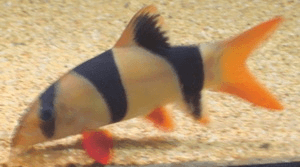
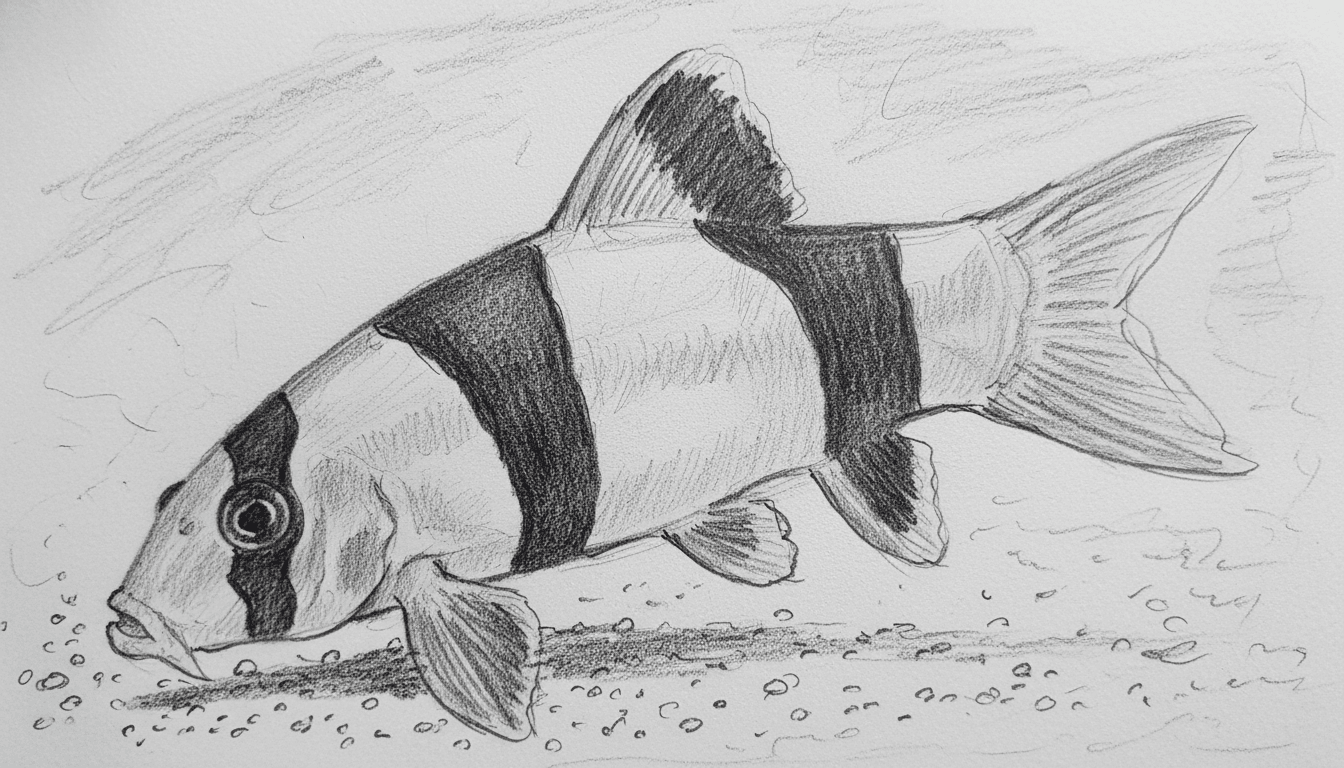
The clown loach is arguably one of the most visually striking freshwater fish available in the aquarium hobby, immediately recognizable by its bold coloration pattern. The body displays a brilliant orange to golden-yellow base color, dramatically interrupted by three thick, vertical black bands. The first band passes through the eye, the second is positioned mid-body and is typically the widest, while the third encircles the caudal peduncle just before the tail fin. All fins except the pectoral fins display bright orange-red coloration with black edging or banding, creating a stunning contrast. The body shape is elongated and laterally compressed, with a distinctively arched back and a flattened ventral surface adapted for bottom-dwelling behavior.
The head is relatively pointed with a subterminal mouth positioned on the underside, perfectly adapted for bottom feeding. Four pairs of barbels surround the mouth, serving as highly sensitive tactile organs used to locate food in substrate and murky conditions. A notable defensive feature is the erectile bifid spine located in a groove beneath each eye, which can be extended when the fish feels threatened. These spines can become entangled in nets and can inflict painful wounds to handlers, though the loach rarely deploys them aggressively toward tank mates. Adult specimens can reach impressive sizes, with individuals in aquarium settings typically growing to between eight and twelve inches in length, though wild specimens have been documented exceeding sixteen inches. Sexual dimorphism is subtle and difficult to discern in younger specimens, though mature females tend to be slightly more robust and fuller-bodied than males, particularly when viewed from above.
Behavior and Temperament
Clown loaches are highly social, gregarious fish that exhibit complex social behaviors and hierarchies within their groups. In the wild, they form large shoals that can number in the hundreds, and this schooling instinct remains strong in captivity. Keeping clown loaches in groups of at least five to six individuals is essential for their psychological well-being, as solitary specimens or those kept in pairs often become withdrawn, stressed, or overly aggressive. Within established groups, a clear pecking order develops, with dominant individuals claiming preferred resting spots and feeding positions, though serious aggression is rare among conspecifics.
These loaches are primarily nocturnal or crepuscular in nature, becoming most active during dawn, dusk, and nighttime hours, though they adapt well to daytime activity in aquarium settings, especially during feeding times. They spend much of their time exploring the bottom substrate, probing crevices and overturning debris in search of food items. A particularly endearing and sometimes alarming behavior is their tendency to rest on their sides or even completely upside down, often wedged into caves or beneath driftwood. This behavior, while appearing distressing to novice aquarists, is completely normal and simply represents their unique resting posture.
Clown loaches are known for producing audible clicking sounds, particularly during feeding frenzies or when excited, which they create by grinding their pharyngeal teeth. They are generally peaceful toward other species and make excellent community fish when housed with appropriately sized tank mates, though their boisterous feeding behavior and size can intimidate smaller, more timid species. They are enthusiastic eaters of snails and are often employed as natural pest control in planted aquariums, methodically hunting and consuming various snail species including the problematic Malaysian trumpet snails and pond snails.
Aquarium Requirements
Given their potential adult size and gregarious nature, clown loaches require substantial aquarium volumes to thrive long-term. While young specimens are often sold at modest sizes of two to three inches, prospective keepers must plan for their eventual growth. A minimum aquarium volume of seventy-five gallons is recommended for a small group of juveniles, but a tank of at least one hundred and twenty-five gallons is more appropriate for housing a proper group of adult specimens. Larger is always better with this species, as they are active swimmers that patrol the entire length of the aquarium.
Water parameters should replicate their natural tropical environment, with temperatures maintained between seventy-six and eighty-six degrees Fahrenheit, though a range of seventy-eight to eighty-two degrees is optimal for long-term health. The pH should be kept slightly acidic to neutral, ideally between six point zero and seven point five, with water hardness in the soft to moderately hard range of up to twelve dGH. Water quality is paramount, as clown loaches are sensitive to elevated levels of ammonia, nitrite, and nitrate. A robust filtration system capable of providing excellent mechanical and biological filtration while generating moderate water movement is essential. Regular partial water changes of twenty-five to thirty percent weekly help maintain pristine conditions and replicate the clean waters of their native habitat.
The substrate should be fine sand or smooth, rounded gravel, as clown loaches frequently sift through substrate material and their delicate barbels can be damaged by sharp or rough materials. Abundant hiding places must be provided in the form of caves, PVC pipes, driftwood arrangements, and rock formations, ensuring there are sufficient retreats for each individual in the group. These structures should have smooth edges and openings large enough to accommodate the loach's body without risk of entrapment. Live plants can be incorporated successfully, though robust species are preferable, as clown loaches may occasionally uproot or disturb delicate plants during their foraging activities. Dim to moderate lighting is preferred, and the addition of floating plants to diffuse overhead lighting can help these fish feel more secure and display more natural behaviors.
Diet and Feeding
In their natural habitat, clown loaches are omnivorous opportunistic feeders with a diet consisting primarily of benthic invertebrates, insect larvae, small crustaceans, worms, and organic plant matter. Replicating this varied diet in captivity is crucial for maintaining optimal health, coloration, and longevity. A high-quality sinking pellet or wafer formulated specifically for omnivorous bottom-dwellers should form the staple of their diet, supplemented regularly with a diverse array of frozen and live foods.
Excellent supplemental foods include bloodworms, blackworms, brine shrimp, daphnia, tubifex worms, and mosquito larvae, all of which are enthusiastically accepted and provide essential proteins and nutrients. Fresh vegetables should be offered several times weekly, with blanched zucchini, cucumber, spinach, and shelled peas being particular favorites. These vegetable offerings not only provide dietary fiber and vitamins but also help satisfy their natural grazing instincts. Some aquarists report success with specialized gel foods and repashy formulations that can be customized to include various nutritional components.
Feeding should occur once or twice daily, with only as much food provided as can be consumed within a few minutes to prevent water quality degradation. Clown loaches are enthusiastic and competitive feeders, often engaging in comical scrambling behaviors during mealtimes, but care should be taken to ensure that more timid individuals receive adequate nutrition. Target feeding in multiple locations throughout the aquarium can help ensure all group members receive their share. A weekly fasting day can be beneficial for digestive health and helps prevent obesity, which can be problematic in well-fed aquarium specimens.
Health Considerations
Clown loaches are generally hardy fish when maintained in appropriate conditions, but they are particularly susceptible to ich (Ichthyophthirius multifiliis), commonly known as white spot disease. This parasitic infection appears as small white spots resembling grains of salt covering the body and fins, and clown loaches often serve as the "canary in the coal mine" in community aquariums, displaying ich symptoms before other species. Their sensitivity to ich is often attributed to stress from suboptimal conditions, temperature fluctuations, or inadequate group sizes.
Treatment of ich in loaches requires special consideration, as they are scaleless fish with heightened sensitivity to many medications, particularly those containing copper or formalin. When treating ich, medication dosages should be reduced to half or even one-quarter of the manufacturer's recommended strength, and temperature elevation to the upper range of their tolerance (around eighty-six degrees Fahrenheit) can help accelerate the parasite's life cycle, making it more vulnerable to treatment. Salt treatments should be approached cautiously and only with pure aquarium salt or sodium chloride, never iodized table salt.
Another condition occasionally observed in clown loaches is "skinny disease," characterized by a hollowed belly appearance despite regular feeding, often caused by internal parasites or bacterial infections. This condition requires prompt treatment with appropriate antiparasitic or antibacterial medications under guidance from a veterinarian experienced with fish. The species is also prone to stress-related issues when housed in inadequate group sizes or in aquariums lacking sufficient hiding places, manifesting as loss of color, lethargy, or abnormal behaviors.
Regular observation of behavior, appetite, and physical appearance allows for early detection of health issues. Quarantine of new specimens for a minimum of four weeks before introduction to an established aquarium is strongly recommended to prevent disease transmission.
Breeding
Breeding clown loaches in home aquariums is exceptionally rare and represents one of the holy grails of ornamental fish breeding. Until recently, virtually all specimens available in the hobby were wild-caught from their native Indonesian waters. The species' complex reproductive biology and specific environmental requirements have made captive breeding extraordinarily challenging. In their natural habitat, clown loaches undertake spawning migrations during seasonal floods, traveling upstream to spawn in flooded forests where conditions trigger reproductive behavior.
The few documented cases of successful captive breeding have occurred primarily in large commercial facilities in Southeast Asia, where hormone injections and massive outdoor ponds approximating natural conditions have been employed. These operations typically use gonadotropin-releasing hormone analogues to induce spawning, as natural reproduction appears to require environmental cues that are nearly impossible to replicate in conventional aquarium settings. Females can produce tens of thousands of eggs during a single spawning event, though fertility rates and larval survival have historically been low even in controlled breeding programs.
Sexual maturity is reached slowly, with individuals typically requiring five to eight years to reach reproductive age, and positive sex determination remains difficult until fish reach substantial sizes of six inches or more. The challenges of breeding this species, combined with their slow growth rate, have contributed to conservation concerns regarding wild populations and have driven recent efforts to establish sustainable captive-breeding programs.
Lifespan and Growth Rate
One of the most remarkable aspects of clown loach biology is their impressive longevity. When provided with appropriate care, spacious accommodations, and optimal water quality, these fish can live for twenty-five to thirty years in captivity, with some individuals reported to exceed thirty-five years of age. This exceptional lifespan places them among the longest-lived aquarium fish species and represents a significant long-term commitment for aquarists.
Growth rates are notably slow, particularly when compared to many other aquarium species. Young specimens typically grow rapidly during their first two to three years, reaching approximately four to five inches, but growth subsequently slows considerably. Reaching their full adult size of ten to twelve inches can take a decade or more, with growth rates influenced by factors including tank size, diet quality, water parameters, and genetic factors. This protracted growth period means that many aquarists never witness their clown loaches reach full adult proportions, particularly if fish are acquired as juveniles.
Conservation Status and Ethical Considerations
The clown loach is currently listed as Vulnerable on the IUCN Red List of Threatened Species, primarily due to habitat degradation, pollution, and collection pressures for the aquarium trade. Deforestation, agricultural runoff, and industrial development throughout their native Sumatran and Bornean range have significantly impacted water quality and available habitat. Additionally, the species' popularity in the aquarium hobby has resulted in substantial collection pressures, with hundreds of thousands of wild specimens exported annually during peak trade periods.
Responsible aquarists should prioritize purchasing captive-bred specimens whenever possible, though availability remains limited due to the breeding challenges previously discussed. Supporting retailers and wholesalers committed to sustainable sourcing practices and avoiding undersized specimens or dealers offering suspiciously low prices can help reduce pressure on wild populations. Additionally, the significant care requirements, space needs, and long lifespan of this species demand that prospective keepers carefully evaluate their ability to provide appropriate lifelong care before acquisition.
The clown loach represents both the rewards and responsibilities inherent in the tropical fish-keeping hobby. Their striking appearance, engaging personalities, and fascinating social behaviors make them genuinely captivating aquarium inhabitants that can form bonds with their keepers and provide decades of enjoyment. However, their substantial space requirements, sensitivity to water quality, social needs, and conservation status demand that they be approached as the serious, long-term commitment they represent. When housed in appropriately designed systems with conspecific companions and attentive care, clown loaches reveal themselves as intelligent, interactive, and endlessly entertaining fish that truly exemplify the best of what the aquarium hobby can offer. Prospective keepers who can meet their considerable needs will find themselves rewarded with one of freshwater aquarium keeping's most charismatic and enduring species. |
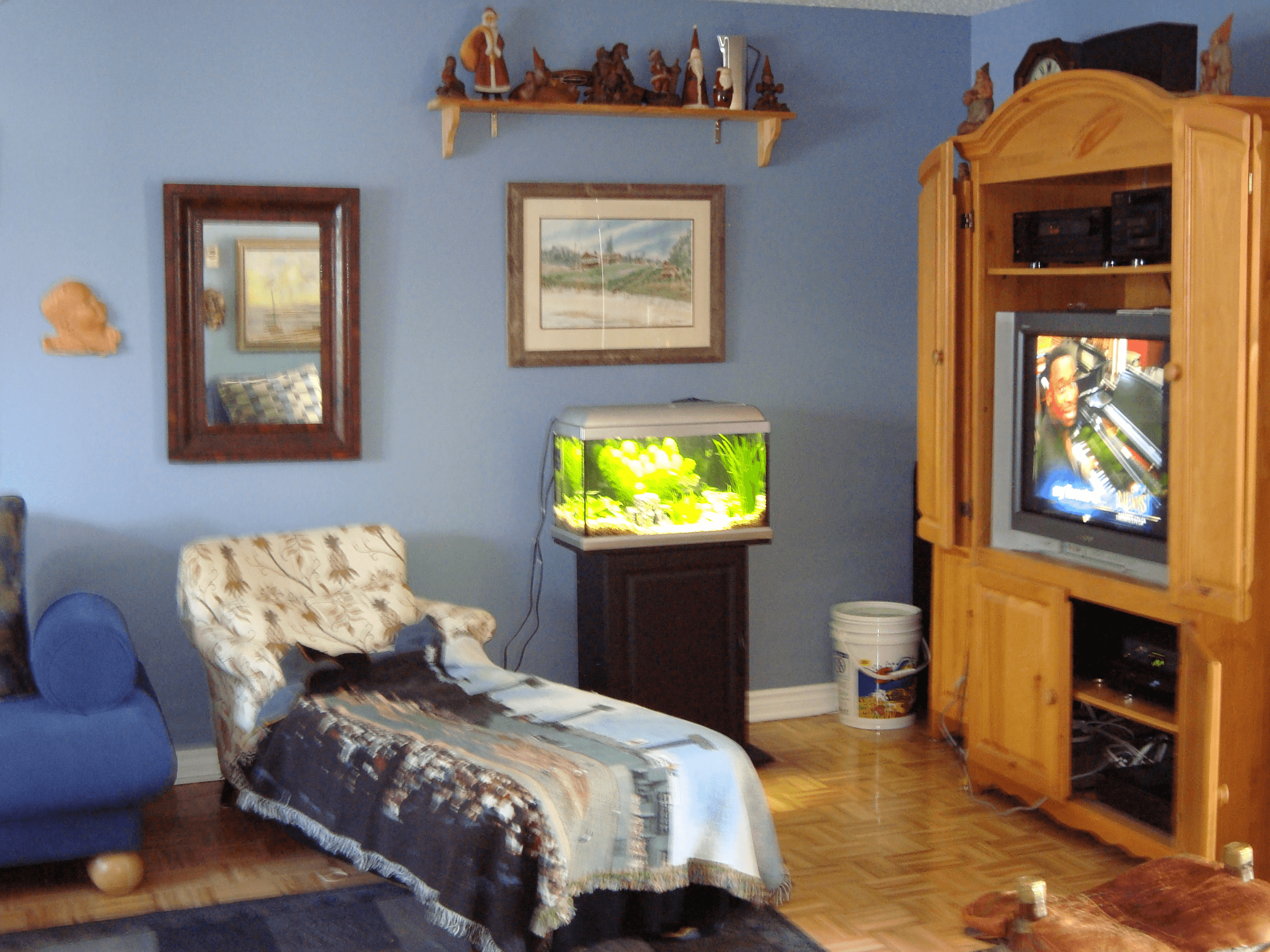 |
Setting up a home aquarium is an exciting way to bring tranquility and vibrant aquatic life into your living space.
If you’re choosing a small starter kit—up to 15 gallons—it’s essential to have the right setup for a healthy habitat.
A quality aquarium should feature an all-glass design with sturdy frames at the top and bottom to ensure durability and safety.
The canopy is important, too, as it reduces evaporation and keeps debris out.
Look for integrated LED lighting, which is both energy-efficient and great for both fish and live plants.
An appropriate filtration system is vital—choose one that matches your tank’s size and offers multi-stage filtration for clean, stable water.
A reliable adjustable heater helps maintain the ideal temperature, especially for tropical fish.
Consider adding gravel, decorations, and a solid stand to complete your setup and ensure stability.
Regular care and thoughtful equipment choices will set the stage for a thriving aquarium. Read More... |
Interesting Facts |
|
Fish tanks can add tranquility and visual charm to any living room. In 2025, they are evolving into stunning design features that bring color and movement to homes. From sleek modern setups to natural underwater scenes, these tanks create a serene escape. With built-in wall aquariums, coffee table tanks, and aquascapes filled with plants, there are plenty of creative ideas to suit any style. Each tank idea helps to design a living room that is vibrant, calming, and full of life, whether you prefer statement luxury or subtle relaxation. These tanks invite serenity and elegance into your space. |
 |
The article explores creative and modern fish tank ideas for living rooms in 2025. It discusses innovative designs such as wall-mounted tanks, coffee table tanks, and aquariums integrated into furniture. The article highlights the aesthetic appeal and calming effect of fish tanks in home decor, suggesting that they can enhance the ambiance of a living room while providing entertainment and relaxation. Additionally, it emphasizes the importance of proper maintenance and care for fish tanks to ensure the well-being of the aquatic life. Ultimately, the article encourages homeowners to incorporate fish tanks as a unique and stylish element in their living spaces. |
| Read More... |
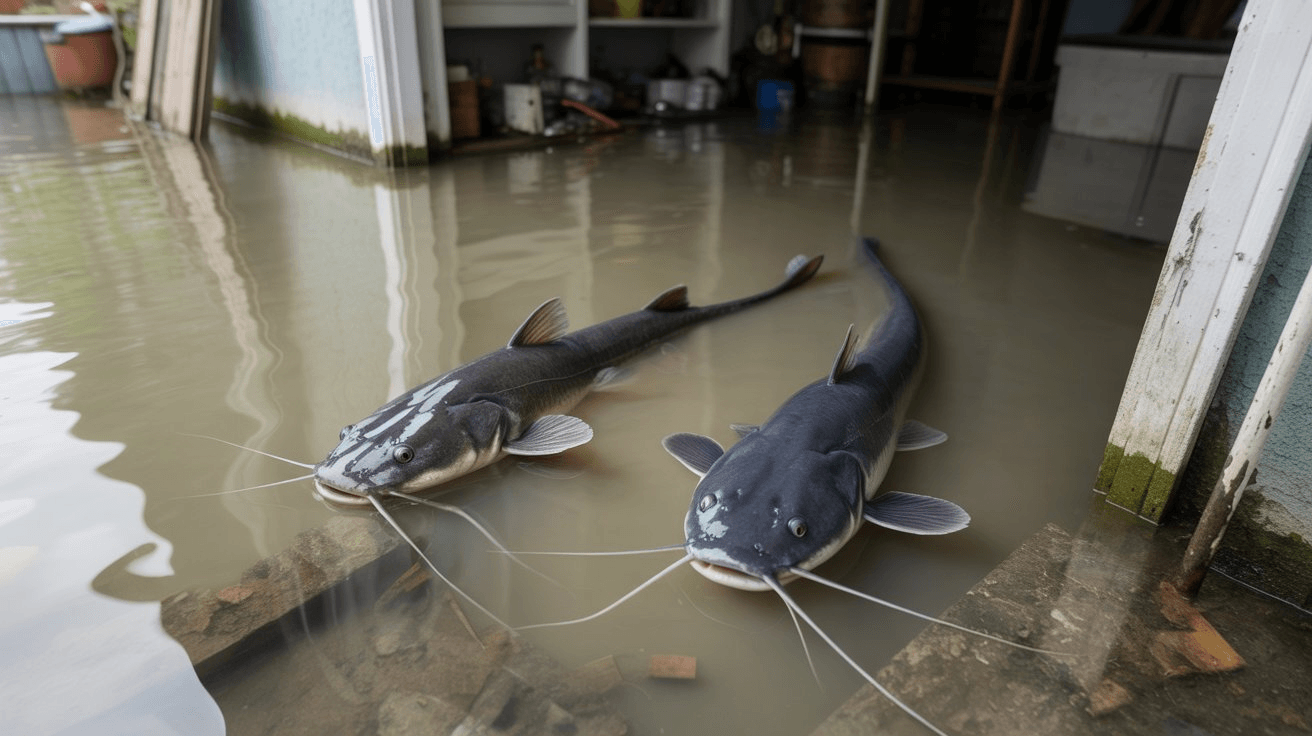 |
Recent flooding from heavy rains has led to unusual scenes as catfish have been spotted swimming into homes and neighborhoods.
In one surprising incident, a resident came home to discover two large catfish gliding across his flooded living room, having entered through open doors as water levels surged.
Rather than panic, the homeowner viewed the fish as an amusing, if unexpected, addition to his evening.
Across the country, similar reports have surfaced.
In Pinellas Park, Florida, after Tropical Storm Debby, residents used shovels and fishing rods to help catfish swimming in flooded streets return to deeper waters, marveling at the rare sight.
Meanwhile, in Kentucky, a man caught and later released a nearly 50-pound catfish that had entered his flooded yard, underscoring the surprising ways floods reshape local wildlife encounters.
Read More... |
Quote Of The Day |
"In the end, we will conserve only what we love; we will love only what we understand; and we will understand only what we are taught." - Baba Dioum |
 |
💡 Answer to Trivia Question: Clown loaches often sleep or rest on their sides at the bottom of the tank, sometimes appearing completely motionless. This is perfectly normal behavior for the species, though it can look alarming to owners unfamiliar with this quirk. |
 |