

Tropical Fish Aquarist Newsletter - November 5, 2025
Starting out, Tinfoil Barb, Valisneria
November 5, 2025 |
 |
Founders Message |
Starting out, Tinfoil Barb, Valisneria |
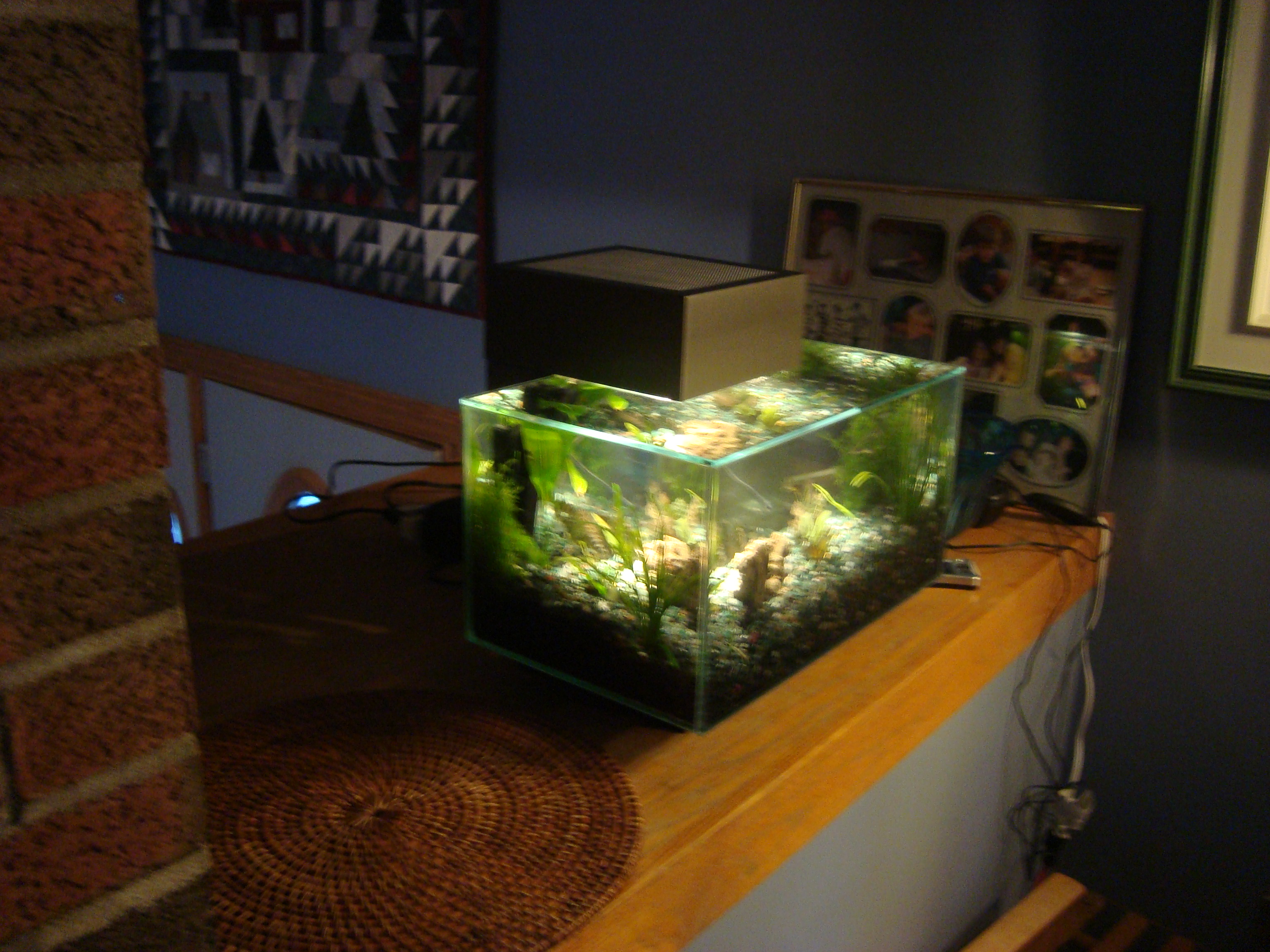
Dear Future Aquarist |
If you're reading this, you've likely spent hours watching aquarium videos, scrolling through stunning tank photos, and imagining the gentle bubble of water in your own living space. Perhaps you've bookmarked dozens of fish species, compared filter systems, and calculated costs on the back of an envelope. You're standing at that exciting—yet sometimes paralyzing—threshold between dreaming and doing.
I remember that moment myself, twenty years ago. The hesitation. The questions. Is this too complicated? Too expensive? What if I fail?
Let me share something I've learned: the perfect moment to start doesn't exist. But the right moment? That's now.
Why You're Ready (Even If You Don't Feel It)
The fact that you're here, researching and learning, means you already have the most critical ingredient for success: genuine interest. The aquarium hobby isn't about perfection—it's about observation, patience, and the quiet joy of creating a living ecosystem. Every experienced aquarist started exactly where you are, with the same doubts and the same wonder.
Your first aquarium doesn't need to be elaborate. It doesn't need rare fish or expensive equipment. It needs to be yours—a manageable slice of the underwater world that you can learn from and grow with.
The Push You Need
Still hesitating? Consider this: every day you wait is another day without the proven stress-relief benefits of watching fish. Another evening without that living art piece in your home. Another week your children (or inner child) goes without witnessing the fascinating behaviors of aquatic life.
The startup costs that seem daunting now? They're one-time investments that provide years of enjoyment. That "complexity" you're worried about? It becomes intuitive surprisingly quickly—usually within your first month.
Here's my challenge to you: Set a start date. Not "someday" or "when I'm ready." Pick a date within the next 30 days to purchase your first tank setup. Mark it on your calendar. Tell someone about it. Make it real. |
Trivia Question❓Can you name the freshwater tropical fish that is known for its iridescent blue and red coloring, as well as its unique ability to breathe oxygen from the air? Answer at the bottom of the newsletter |
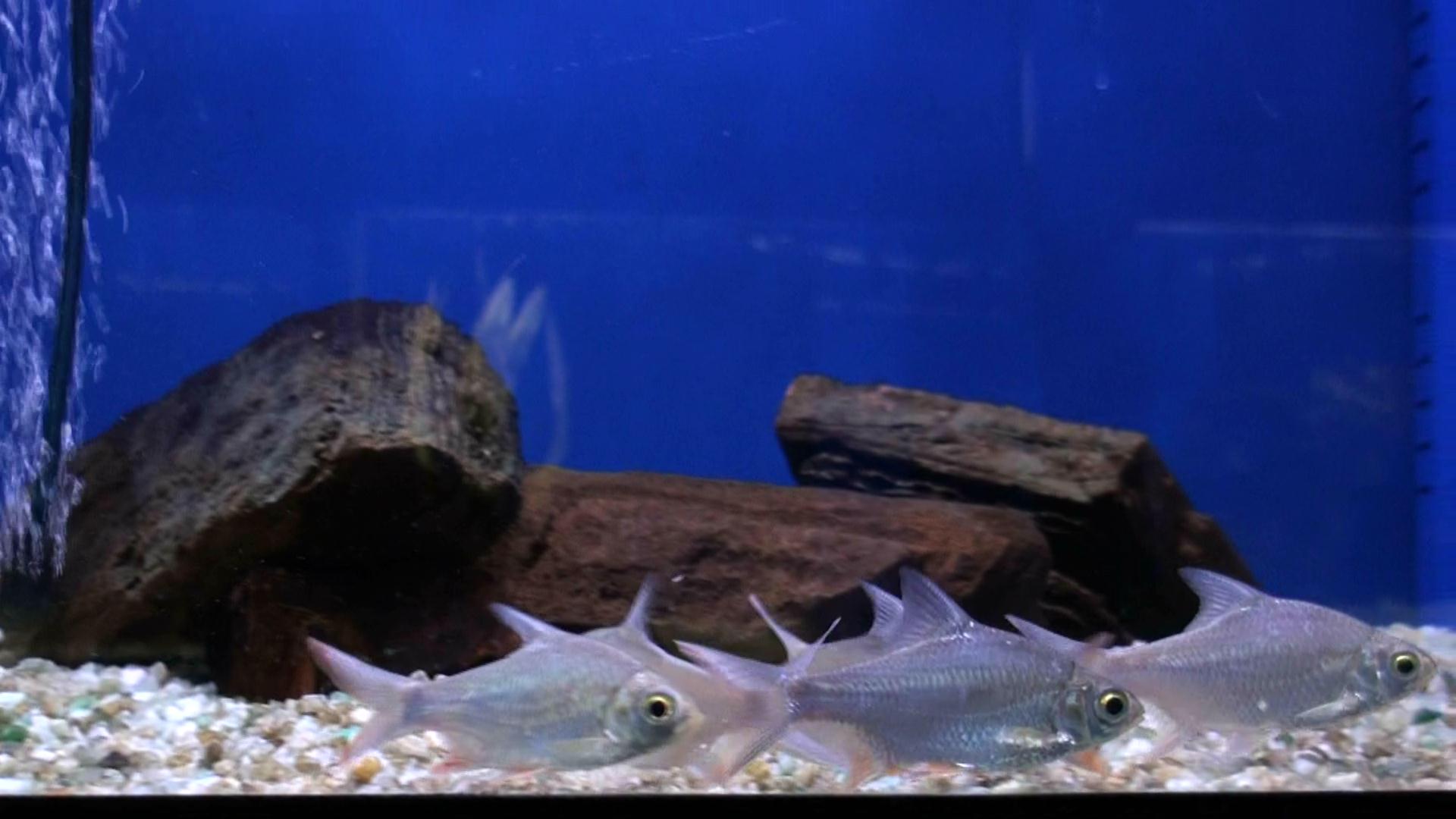
Tinfoil Barb - Barbu aluminium |
Tinfoil Barb (Barbonymus schwanenfeldii)
Introduction and Classification
The Tinfoil Barb, scientifically known as Barbonymus schwanenfeldii, is a large and impressive species of cyprinid fish native to Southeast Asia. The common name derives from the fish's highly reflective silvery scales that shimmer like aluminum foil when light strikes them at certain angles. This species has been a subject of some taxonomic revision over the years, having previously been classified under the genera Barbus and Puntius before being assigned to Barbonymus. The species name honors Dutch naturalist M.W. Schwaner who collected specimens during expeditions in Borneo in the mid-nineteenth century.
Natural Habitat and Distribution
The Tinfoil Barb inhabits a wide range across Southeast Asia, with populations found throughout the Mekong and Chao Phraya river basins, as well as in Sumatra, Borneo, and the Malay Peninsula. These fish are typically found in medium to large rivers and their tributaries, preferring areas with moderate to fast-flowing water. During the wet season, they often migrate into flooded forests and grasslands where food is abundant and spawning conditions are optimal. In their natural environment, they occupy the middle to upper water columns and are frequently observed in schools that can number in the hundreds. The substrate in their native waters varies from rocky bottoms in faster-flowing sections to sand and leaf litter in calmer areas, though the fish themselves are not particularly substrate-dependent since they rarely venture to the bottom except when foraging.
Physical Characteristics
Adult Tinfoil Barbs are substantial fish that can reach lengths of thirty-five centimeters or approximately fourteen inches in aquarium settings, though wild specimens have been recorded at even larger sizes. The body is deep and laterally compressed with a distinctly arched back, giving the fish a somewhat diamond-shaped profile when viewed from the side. The overall coloration is bright metallic silver across the entire body, with scales that reflect light brilliantly. The fins present striking contrast to the silver b
Aquarium Requirements
Given their substantial adult size and active swimming behavior, Tinfoil Barbs require spacious accommodation that many aquarists underestimate when purchasing juvenile specimens. A minimum aquarium volume of five hundred liters or approximately one hundred thirty gallons should be considered the absolute minimum for a small group, with larger volumes being decidedly preferable for long-term maintenance. The tank should emphasize horizontal swimming space rather than height, with a minimum length of two meters or roughly six feet being ideal for adult specimens. These fish are powerful swimmers and notorious jumpers, making a tight-fitting aquarium cover absolutely essential to prevent escape attempts that often prove fatal.
The aquarium decoration should strike a balance between providing some structure while leaving ample open swimming space. Robust plants such as Java Fern, Anubias species, and Vallisneria can be used along the back and sides of the aquarium, though softer-leaved plants may be damaged or consumed. Driftwood and smooth river rocks can create naturalistic features and provide visual barriers that help establish territories within the group, though excessive decoration that impedes swimming should be avoided. The substrate choice is relatively unimportant since these fish rarely interact with the bottom, though darker substrates tend to enhance their coloration. Lighting can be moderate to bright, as these fish are not light-shy and natural rivers in their native range often have excellent light penetration.
Filtration must be robust and capable of handling the significant bioload these large, active fish produce. A turnover rate of at least six to eight times the tank volume per hour is recommended, with additional water movement from powerheads helping to simulate the flowing waters of their natural habitat. These fish appreciate well-oxygenated water, and the combination of mechanical filtration and water movement helps maintain the high oxygen levels they require. Regular maintenance is non-negotiable, with weekly water changes of thirty to fifty percent being necessary to keep nitrate levels under control and maintain water quality parameters within acceptable ranges.
Water Parameters
Tinfoil Barbs are relatively adaptable regarding water chemistry, which has contributed to their success both in the wild across varied habitats and in the aquarium trade. The ideal temperature range falls between twenty-four and twenty-seven degrees Celsius, or approximately seventy-five to eighty-one degrees Fahrenheit. They can tolerate slightly cooler temperatures temporarily but should not be subjected to prolonged periods below twenty-two degrees Celsius. The pH should be maintained between 6.5 and 7.5, reflecting the slightly acidic to neutral conditions found in most of their natural habitats. Water hardness can range from soft to moderately hard, with a general hardness between 5 and 15 dGH being acceptable.
Water quality itself is perhaps more critical than precise parameter matching. Tinfoil Barbs are sensitive to elevated levels of ammonia and nitrite, which should always remain at zero in a properly cycled and maintained aquarium. Nitrate levels should be kept below forty parts per million through regular water changes, though lower levels are always preferable. These fish come from rivers with high dissolved oxygen content, and aquarium specimens require similarly well-oxygenated water to thrive, making adequate surface agitation and water movement essential components of their care.
Social Behavior and Tank Mates
Tinfoil Barbs are gregarious schooling fish that exhibit strong social hierarchies and group cohesion in the wild. In the aquarium, they should always be maintained in groups of at least six individuals, with larger groups of eight to ten or more being significantly better for their psychological well-being. Solitary specimens or those kept in inadequate group sizes often become nervous, aggressive, or fail to display natural behaviors. Within the school, a dominance hierarchy establishes itself with larger individuals typically assuming leadership positions, though serious aggression between conspecifics is rare when adequate space is provided.
When selecting tank mates, consideration must be given to the Tinfoil Barb's size, activity level, and somewhat boisterous nature. Small fish will inevitably be viewed as food once the barbs reach even moderate size, making species smaller than five centimeters poor choices for long-term companions. Suitable tank mates include other large, peaceful to semi-aggressive species that inhabit similar water conditions and can hold their own in the active environment these fish create. Excellent choices include larger species of loaches such as Clown Loaches, other substantial cyprinids like Bala Sharks, medium to large peaceful catfish including many Synodontis species, and robust cichlids from Southeast Asia or South America that share similar water parameter requirements. Slow-moving fish with elaborate finnage such as fancy goldfish or angelfish should be avoided, as the constant activity of the barbs may stress them or result in fin damage.
Feeding Requirements
In their natural habitat, Tinfoil Barbs are omnivorous with a strong herbivorous tendency, consuming aquatic plants, algae, fruits that fall into the water, insects, small crustaceans, and occasionally small fish. This varied natural diet must be replicated in captivity to maintain optimal health and coloration. The foundation of their aquarium diet should consist of high-quality prepared foods including algae wafers, spirulina-based flakes or pellets, and vegetable-based sinking granules formulated for larger omnivorous fish.
These prepared foods should be supplemented regularly with fresh vegetables and fruits to satisfy their herbivorous requirements and provide dietary variety. Blanched vegetables such as zucchini, cucumber, spinach, lettuce, and peas are readily accepted and should be offered several times weekly. Some specimens will also consume small amounts of fruit such as melon or apple, though these should be offered sparingly due to sugar content. Protein supplementation is important and can be provided through live or frozen foods including bloodworms, brine shrimp, daphnia, and mosquito larvae. These protein-rich foods are particularly valuable when conditioning fish for breeding attempts or helping younger specimens achieve optimal growth rates.
Tinfoil Barbs are enthusiastic and competitive feeders that will quickly learn to recognize feeding times and often splash at the surface in anticipation. Care should be taken to ensure all individuals receive adequate nutrition, as dominant fish may monopolize food sources if feeding is too localized. Distributing food across multiple areas of the aquarium or using feeding rings in different locations helps ensure subordinate individuals receive their share. Two to three smaller feedings daily are preferable to a single large feeding, as this feeding schedule better approximates natural foraging patterns and helps maintain water quality by reducing the amount of uneaten food at any one time.
Breeding
Breeding Tinfoil Barbs in home aquaria is challenging and relatively uncommon, though commercial breeding operations have successfully reproduced them using hormone injections to induce spawning. The primary obstacles to home breeding include the substantial space requirements for conditioning and spawning, the difficulty in distinguishing males from females until they reach sexual maturity, and the specific environmental triggers needed to initiate reproductive behavior. Sexual dimorphism is subtle, with mature females typically displaying fuller, more rounded bodies especially when laden with eggs, while males remain slightly more streamlined. During breeding condition, males may develop subtle tubercles on their heads and gill covers, though these are not as prominent as in some related species.
For aquarists wishing to attempt breeding, a large dedicated spawning aquarium of at least three hundred liters is required, furnished with spawning mops or dense plantings of fine-leaved plants such as Java Moss or spawning grass where eggs can be deposited. The water temperature should be gradually increased to the upper end of their tolerance range around twenty-seven to twenty-eight degrees Celsius, while maintaining excellent water quality through frequent partial water changes with soft, slightly acidic water. Conditioning the breeding group with high-quality foods including substantial amounts of live and frozen items helps bring females into breeding condition, which becomes apparent as their abdomens swell noticeably with developing eggs.
Spawning typically occurs in the early morning hours, triggered by the rising sun or simulated dawn lighting. The spawning act is vigorous, with males pursuing females intensely and both sexes scattering adhesive eggs throughout the spawning medium in explosive bursts of activity. A single female may release several thousand eggs during spawning, which are fertilized externally by attending males. The adult fish show no parental care and will readily consume their own eggs if given the opportunity, making it essential to remove the adults immediately following spawning or to use spawning setups where eggs fall through a protective mesh beyond the reach of the parents.
The eggs are small and adhesive, typically hatching within twenty-four to forty-eight hours depending on temperature. The newly hatched larvae are tiny and possess a yolk sac that sustains them for the first few days of life. Once the fry become free-swimming after three to four days, they require microscopic foods such as infusoria or commercially prepared liquid fry food, graduating to newly hatched brine shrimp after approximately one week. Growth is relatively rapid if fry are well-fed and water quality is maintained through gentle filtration and frequent small water changes. The young fish begin to develop their characteristic silvery coloration at around one month of age, though the full brilliance of adult coloration develops gradually over several months.
Health Considerations
Tinfoil Barbs are generally hardy fish when maintained under appropriate conditions, though they are susceptible to the common ailments that affect freshwater tropical fish. The most frequently encountered health issue is ich or white spot disease, a parasitic infection that manifests as small white spots covering the body and fins. This condition often appears when fish are stressed by poor water quality, temperature fluctuations, or inadequate nutrition. Treatment involves gradually raising the water temperature to around thirty degrees Celsius while administering appropriate antiparasitic medications according to manufacturer instructions.
Bacterial infections can occur, particularly when fish sustain injuries from jumping or colliding with aquarium décor in their vigorous swimming. These infections typically present as reddened areas, lesions, or fuzzy cotton-like growths on the body or fins. Maintaining excellent water quality is the best prevention, though bacterial medications may be necessary if infections become established. Fungal infections similarly exploit damaged tissue and are best prevented through careful aquarium maintenance and the use of smooth, injury-free decorations.
Nutritional deficiencies can manifest in various ways including poor coloration, reduced growth rates, and increased susceptibility to disease. These issues are readily prevented through the varied, vegetable-rich diet previously described. Particular attention should be paid to providing adequate plant matter, as Tinfoil Barbs maintained on protein-heavy diets without sufficient vegetable content often develop digestive issues and may exhibit erosion of their lateral line system over time.
One unique consideration with this species is their propensity for jumping, which often results in injury or death when fish escape the aquarium or collide with the aquarium cover. Beyond ensuring a secure lid, maintaining stable water conditions and avoiding sudden disturbances near the tank helps reduce the startle responses that trigger jumping behavior. When performing aquarium maintenance, moving slowly and deliberately rather than making sudden movements helps keep the fish calm and reduces the risk of injury.
Conservation Status and Considerations
While Tinfoil Barbs are not currently classified as threatened or endangered, wild populations face increasing pressures from habitat degradation, pollution, and overfishing in some parts of their range. The extensive captive breeding that supplies the aquarium trade means that most specimens available to hobbyists are farm-raised rather than wild-caught, which helps reduce pressure on natural populations. However, the introduction of this species to non-native waters, either through deliberate release or accidental escape, has created established populations in several countries including parts of the United States, where they are sometimes considered invasive due to their potential impact on native fish communities and aquatic vegetation.
Responsible aquarium keeping includes never releasing aquarium fish into natural waterways regardless of the circumstances. Hobbyists who can no longer care for their Tinfoil Barbs should explore rehoming options through local aquarium societies, returning fish to pet stores that accept them, or seeking out public aquaria that may accept donations of healthy specimens. Given their substantial size and longevity of over ten years when properly cared for, potential keepers should carefully consider whether they can provide appropriate housing throughout the fish's entire lifespan before acquiring specimens.
The Tinfoil Barb represents both the rewards and challenges of keeping large, active schooling fish in the home aquarium. Their impressive size, brilliant silvery coloration with red-accented fins, and dynamic schooling behavior create a spectacular display that few other freshwater species can match. However, these attributes come with substantial responsibilities including providing adequately sized housing, maintaining stringent water quality, and committing to the long-term care of fish that may live for a decade or more. When these requirements are met, Tinfoil Barbs prove to be hardy, personable fish that often learn to recognize their keepers and actively beg for food at the front of the aquarium. For the aquarist with sufficient space and dedication, maintaining a school of these magnificent cyprinids offers a rewarding glimpse into the behavior and beauty of Southeast Asia's flowing rivers. |
 |
Vallisneria
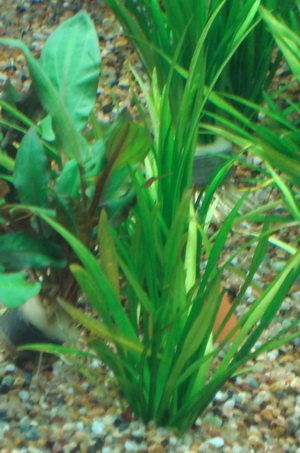
Vallisneria, commonly known as "vals" or tape grass, is one of the most popular and beginner-friendly aquarium plants available to freshwater hobbyists. With its graceful, ribbon-like leaves that sway gently in the current, Vallisneria adds natural movement and lush greenery to any aquatic setup. This hardy plant has been a staple in the aquarium hobby for decades, and for good reason—it's nearly indestructible, fast-growing, and adaptable to a wide range of conditions.
Understanding Vallisneria Species and Sizes
Vallisneria comes in several species and varieties, each with distinct sizes suited to different aquarium dimensions:
Dwarf Vallisneria (Vallisneria nana or V. spiralis 'Tiger')
The smallest variety, dwarf vals typically grow 6-12 inches (15-30 cm) tall, making them perfect for nano tanks and foreground to midground placement in larger aquariums. The leaves are narrower and more compact, creating a grass-like carpet effect when planted in groups.
Corkscrew Vallisneria (Vallisneria spiralis)
Named for its distinctive twisted, spiral leaves, this variety reaches 12-20 inches (30-50 cm) in height. The curled foliage adds unique texture and visual interest to the midground of medium to large tanks.
Italian Vallisneria (Vallisneria spiralis 'Italian')
One of the most popular varieties, Italian vals feature straight, narrow leaves that can grow 20-40 inches (50-100 cm) long. These plants are ideal for background placement in medium to large aquariums.
Jungle Vallisneria (Vallisneria americana)
The giant of the family, jungle vals produce wide leaves (up to 1 inch/2.5 cm) that can reach 3-6 feet (1-2 meters) in length. This species is best suited for large aquariums where it can create a dramatic jungle effect, with leaves often reaching the surface and cascading across the water.
Red Vallisneria (Vallisneria rubra)
A rare and sought-after variety that displays reddish-brown coloration under proper lighting conditions. Similar in size to Italian vals, reaching 20-30 inches (50-75 cm).
Substrate Requirements
One of Vallisneria's greatest advantages is its adaptability to various substrate types. Unlike some demanding aquatic plants, vals will thrive in most common aquarium substrates:
- Gravel: Standard aquarium gravel (2-4mm) works perfectly well. Vallisneria develops an extensive root system that anchors effectively in gravel. - Sand: Fine to medium sand is excellent, though plants may take slightly longer to establish initially. - Plant-specific substrates: Nutrient-rich substrates like aquasoil provide optimal growth but aren't necessary for success. - Dirted tanks: Mineralized soil capped with sand or gravel promotes exceptionally vigorous growth.
Substrate Depth
Maintain a substrate depth of at least 2-3 inches (5-7.5 cm) to accommodate Vallisneria's substantial root system. Deeper substrates (3-4 inches) support even better growth and stability for larger varieties.
Planting Tips
When planting Vallisneria, bury the roots and rhizome completely, but ensure the crown (where leaves emerge) remains above the substrate. Burying the crown can lead to rot. Plant in groups of 3-5 for smaller varieties or individually space larger specimens 4-6 inches apart—they'll fill in quickly through runner propagation.
Water Parameters and Habitat Requirements
Vallisneria's hardiness makes it suitable for a wide range of water conditions, though optimal parameters promote the best growth:
Water Chemistry
- Temperature: 64-82°F (18-28°C), with 72-78°F (22-26°C) being ideal - pH: 6.0-9.0 (remarkably tolerant, but prefers slightly alkaline conditions 7.0-8.0) - Hardness: Soft to very hard water (GH 4-18 dKH), thrives particularly well in moderately hard to hard water - TDS: Not particularly sensitive; adapts to various levels
Important Note: Vallisneria is sensitive to liquid carbon products (like Excel/glutaraldehyde-based supplements). These can cause leaves to melt or become transparent. If using liquid carbon, choose a different plant species.
Lighting Requirements
Vallisneria is adaptable to various lighting conditions: - Low to moderate light: 1-2 watts per gallon (or 20-40 PAR) is sufficient - Duration: 8-10 hours daily - High light: While vals can tolerate bright conditions, excessive lighting may promote algae growth on the long leaves without providing significant benefits
The plant will grow in low-light conditions but may grow more slowly and produce narrower leaves.
Nutrient Requirements
Vallisneria is classified as a root feeder, absorbing most nutrients through its extensive root system:
- Root tabs: Insert nutrient-rich root tabs near plant clusters every 2-3 months for optimal growth - Water column feeding: While primarily root feeders, vals benefit from comprehensive liquid fertilizers, particularly those containing iron and trace elements - Macronutrients: In tanks with moderate to heavy fish stocking, fish waste often provides sufficient nitrogen and phosphorus
CO2 injection is not required for healthy Vallisneria growth, making it perfect for low-tech aquariums. However, supplemental CO2 will accelerate growth rates if desired.
Tank Size
- Dwarf varieties: Suitable for tanks 5 gallons and up - Standard varieties: 10 gallons minimum, 20+ gallons preferred - Jungle vals: 55 gallons or larger for best display Moderate water flow is beneficial. Vallisneria naturally grows in slow-moving rivers and streams, so their long leaves undulating in gentle current creates a beautiful, natural appearance. Avoid placing directly in front of powerhead outlets, which can damage delicate leaves.
Maintenance
- Pruning: Trim damaged or algae-covered leaves at the base. Never cut leaves mid-length, as this causes die-back. - Propagation: Vallisneria spreads via runners (similar to strawberry plants), sending out shoots that develop into new plants. You can separate these plantlets once they develop several leaves and roots, or allow them to create a natural colony. - Thinning: Due to rapid growth and runner propagation, periodic thinning prevents overcrowding. Simply pull up unwanted plants.
Compatible Tankmates
Vallisneria is compatible with most fish species. However: - Herbivorous fish: Goldfish, silver dollars, and some cichlids may nibble leaves - Digging fish: Some cichlids and plecos that excavate substrate can uproot plants - Best companions: Community fish, tetras, rasboras, corydoras, shrimp, and snails
Common Issues and Solutions
Yellowing leaves: Usually indicates iron deficiency. Add iron-rich fertilizer or root tabs.
Transparent or melting leaves: May result from drastic parameter changes, liquid carbon products, or initial adjustment period after purchase. Remove affected leaves; new growth typically adapts.
Slow growth: Check lighting duration, consider adding root tabs, or verify water isn't too soft.
Brown tips: Often caused by physical damage or iron deficiency. Trim affected areas.
Algae on leaves: Reduce lighting duration, improve water circulation, and maintain consistent maintenance schedule.
Vallisneria is arguably one of the best aquarium plants for beginners and experienced aquarists alike. Its minimal requirements, rapid growth, and natural appearance make it invaluable for creating lush, healthy planted aquariums. Whether you choose compact dwarf varieties for a small tank or dramatic jungle vals for a large display, these graceful plants will reward you with vigorous growth and natural beauty while helping maintain water quality by absorbing excess nutrients. With just basic care—adequate substrate depth, moderate lighting, and occasional fertilization—Vallisneria will flourish and potentially become one of the most rewarding plants in your aquatic collection. |
Quote Of The Day |
"Remember, a clean tank is a happy tank! Regular water changes are key to keeping your freshwater tropical fish healthy and thriving." |
Secret Little Hack |
Keep live plants in your aquarium to help maintain water quality and provide a natural source of food and shelter for your fish. |
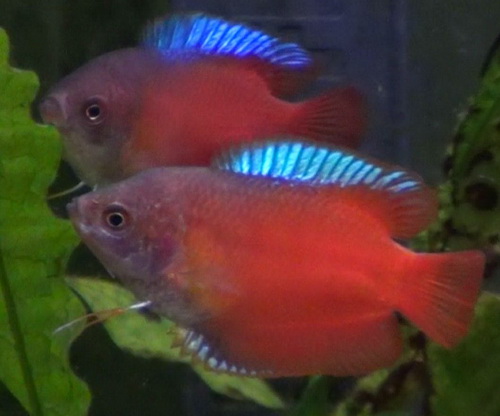 |
💡 Answer to Trivia Question: The Gourami fish. |