
October 22, 2025 |
From the Desk of the Tropical Aquarist |
Why should I consider keeping freshwater tropical fish?
I can go through the many lessons a tank can offer for life and how it works. The ways to open discussions with children on the many aspects of keeping a living environment and the how life propagates are important aspects in a family situation.
The importance of responsibility for the actual life of the inhabitants for youngsters who will benefit from the responsibility of controlling the entire environment and keeping them alive, healthy and happy.
I have had fish for over 60 years. I love the creation of all the various living pictures that can be made. Community aquariums can be used to teach the children the complexity of a complete environment. Hyper-active children can be soothed by simply watching the fascinating interplay between the fish as they follow their regular routines.
Dentists have long known that a fish tank in their waiting rooms will help soothe patients who are waiting for dental surgery. It is the same effect that can be used for people under stress to calm down as they sit and watch their home aquarium and find a secluded time to get back into focus. I have also found the soothing effects can help reset my thoughts when I find myself hitting the occasional writers block.
The home aquarium is a beneficial addition to any family or even the single people who need the responsibility of holding an entire universe in their hands. It is not hard to keep an aquarium, unlike most other pets that require a lot of maintenance time, it takes a few minute a week to maintain a thriving aquarium that offers peace and tranquility as an island in the midst of the complexity of family life.
|
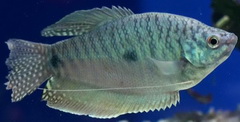 |
Three Spot Gouramis |
The three spot gourami (Trichopodus trichopterus)is a captivating addition to any freshwater aquarium, renowned for its striking appearance and engaging behavior.
Despite its name, this species displays only two visible spots; the third "spot" is actually its eye.
These fish can grow up to 6 inches in length, necessitating a spacious environment to thrive. It's advisable to house them in a tank that's at least 30 gallons to accommodate their size and activity levels. The three spot is often chosen as a beginner fish because it is quite hardy and, as an anabantoid, can breathe air if there is a serius problem in the habitat.
Males can exhibit territorial behavior, especially during breeding periods.
To minimize aggression, consider keeping a single male with multiple females and/or ensuring the tank has ample hiding spots. Suitable tank mates include peaceful species like tetras, rasboras, and corydoras. Avoid pairing them with fin-nippers or overly aggressive fish to maintain harmony in the aquarium. While often peaceful, they are normally the largest fish in the aquarium as they grow out.
Always watch their behavior carefully when there is a major upheaval in the tank; like a transfer in or out, or a sudden death or two. When such major changes occur, often the tank will undergo a pecking order change. Sometimes there will be a change in the king of the tank. WIth it may come a change of attitude and the gourami may become more aggressive to previously ignored fish.
Maintain water temperatures between 75–82°F and a pH level of 6.0–8.0 to replicate their natural habitat conditions.
As omnivores, three spot gouramis benefit from a varied diet comprising high-quality flakes, pellets, live foods, and vegetables.
During breeding, males construct bubble nests on the water's surface. Observing this behavior can be fascinating, but it requires careful preparation and possibly a separate breeding tank. Any bubble nest is fragile, so it is best to allow the fish to build their nest in a secluded surface that is easy to protect.
With proper care, these fish can live up to 4–6 years, making them a rewarding choice for dedicated aquarists. While they are moderately easy to care for, understanding their specific needs is crucial for their well-being. By providing a suitable environment and attentive care, your three spot gouramis will flourish, adding beauty and interest to your aquarium. |
Trivia Question❓How many species of Plecostomus, commonly known as suckerfish or algae eaters, are believed to exist in the world? Answer at the bottom of the newsletter |
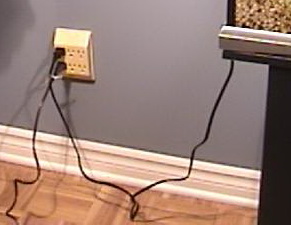 |
Maintaining a beautiful home aquarium can be both soothing and visually rewarding, but energy usage often adds to your expenses.
Choosing energy-efficient filters and pumps tailored to your tank’s size minimizes power waste while ensuring healthy water flow.
Upgrading to LED lights is another smart move, as LEDs use remarkably less electricity and last far longer than traditional bulbs.
Timers on lights and equipment streamline use, so devices operate just when needed and support a steady aquatic environment.
Keeping tanks in stable-temperature rooms and adding insulation helps heaters work less, reducing overall energy demand.
Routine cleaning keeps filters and pumps free from buildup, letting them run more efficiently and helping fish thrive.
By following these tips, you can enjoy your aquarium’s beauty without worrying about high energy bills. Read More... |
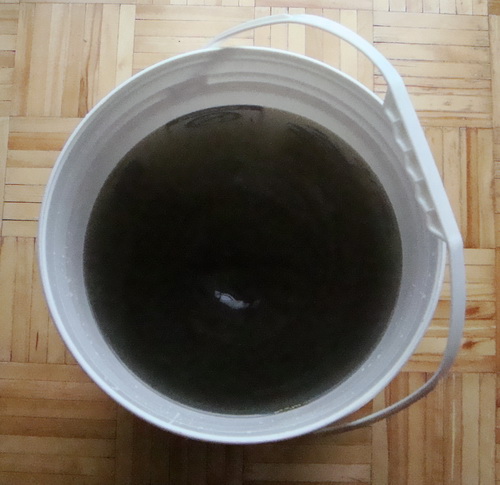
Regular water changes are crucial for keeping your aquarium healthy and safe for aquatic life.
Using a gravel cleaner removes trapped waste from the substrate, improving water clarity and stopping harmful chemical buildup.
Fish waste and leftover food naturally boost nitrate levels over time.
Consistent water changes, such as a 10–20% weekly routine, help reduce nitrates and lower stress for your fish.
Always treat replacement water to remove chlorine and match the tank's temperature and pH before adding it.
Limit each change to no more than 33% of the water to keep the biological filter stable.
Never replace all the water at once, as it can harm beneficial bacteria and disrupt your tank’s balance.
Adding live plants like hornwort or duckweed also helps control nitrates, ensuring a cleaner, more vibrant aquarium community. Read More... |
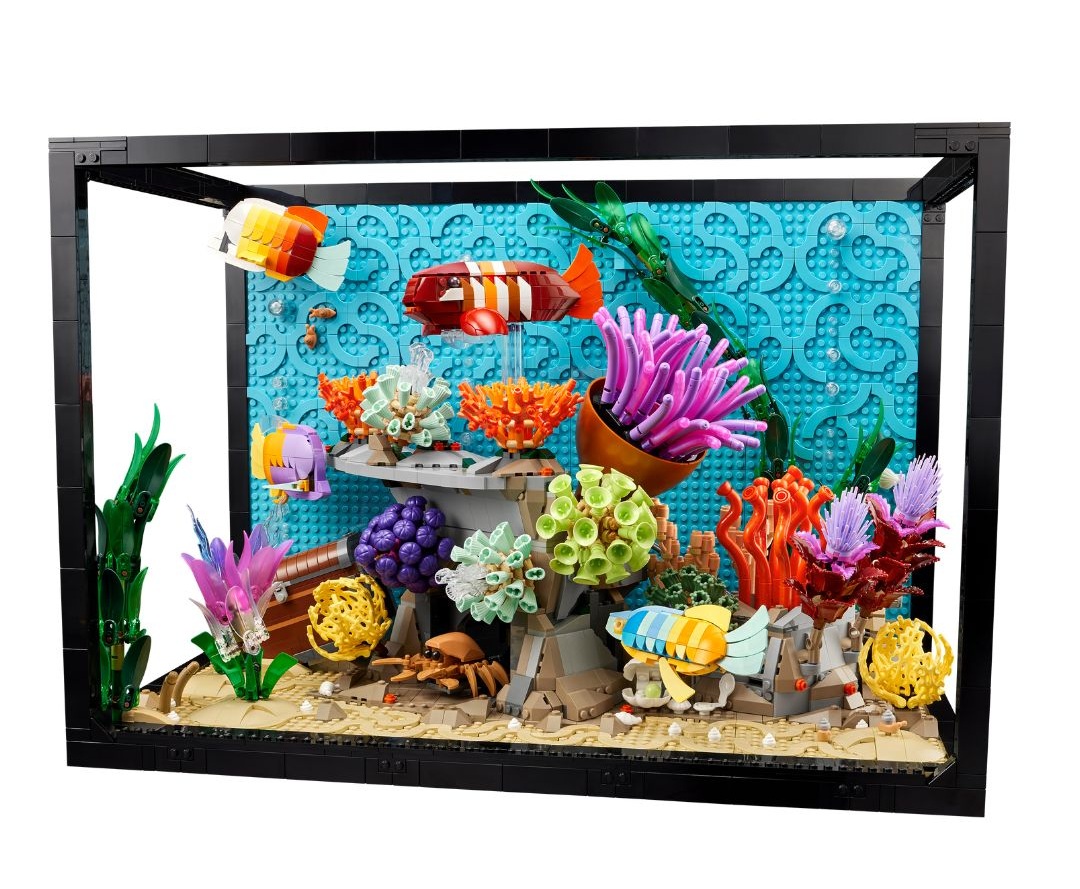 |
LEGO introduces the Tropical Aquarium set with 4154 pieces, showcasing underwater world in stunning detail. |
This is not an actual aquarium, but it would certainly be a challenge to build
LEGO has unveiled a new 4154-piece set called the Tropical Aquarium (10366), set to be released in November 2025. |
The Difference between Clip-on Power filters |
I admit personal bias in the filters I choose whenever I set up a new aquarium. A standard Clip-on Power Filter is always at the top of my list. They cover a lot more than mechanical filtration in the aquarium. They can help provide the required water circulation required for every aquarium that is holding community fish. They are not as useful in breeding and grow out tanks where the residents are often too small to fight against the suction of the intake and can be hurt or killed by the filter directly.
Generally Power Filters are chosen as the primary mechanical filtration to remove particulate matter. All the power filters are mainly able to remove the gross particles that often are released by the aquarium during the regular operation of the tank, but there are two distinct ways a power filter can work. One is for the convenience of the aquarist, the other is the more complete filtration system that is the most beneficial for the inhabitants of the aquarium.
The first style of power filter is often termed as the Cartridge filter originally championed by Marineland. This filter style uses a replacement cartridge that is simply removed and a new replaced - often the filter does not need to be removed from the tank during the replacement. The actual amount of filter material is quite small compared to the size of the chamber. Often there is a large amount of just water in the chamber that is empty of active filtration material.
The other style of filter was introduced originally by the Biozonic company in the late 70's and 80's, but I term it the insert style power filter. The original Biozonic was the first small and medium motorized aquarium filter that was designed to fill all the volume of the chamber with viable filter material. When Hagen purchased the Biozonic company it took time to retool the filter concept before releasing the AquaClear to the public. This new filter changed the motor from a oil cooled one to a electromagnetic system that used much less power. It also changed the way the water flowed. Water was drawn into the filter and let return as a waterfall, instead of pulled through the filter from a suction input.
The AquaClear insert style filter uses the entire volume of the filter chamber with assorted filter media that can accommodate a much larger amount of dirt and particulate matter. It generally is filled with up to three horizontal layers of media that can increase the filter functions it can offer, expanding the styles of actual filtration it can deliver. The actual mass of media can grow biological activity over time. By using a carbon layer it can actually accomplish chemical filtration as well.
You have a basic choice when you decide what your filtration will be for any new aquarium you are installing. It is quite convenient to pick a cartridge filter that can be changed in an instant. Simply pull out a slide-in premade filter cartridge that places a thin layer of polyester on a plastic screen blocking the flow of the water as it passes through the chamber on its way to the exhaust.
It is clean and easy, but when you remove the entire contents of the filtration material. You remove the dirt and replace with a sterile replacement. It is rare that anything else is done. This means that the inner parts of the filter are not cleaned on a regular basis. It is easy to just let it go and impair the overall efficiency of the system.
Insert systems like the AquaClear filter are very different. To change the filter media, which is often in three distinct layers it usually easier just to remove the entire filter and clean it all at the same time. The filter basket is relatively easy to pull out, but often it is not possible to remove it without splashing water everywhere as the water in the sponge, bio-beads and carbon takes a while to drain out. So... it is simpler to remove the whole system from the aquarium to where the water can be controlled like a sink. Once the media basket is removed, it is much more convenient to rinse the inside of the filter chamber which is much better hygiene for the entire aquarium. While the system is being rinsed off and probably wiped down. While at it, it is simple to disassemble the motor from the filter assembly. It is simple them to clean the impeller and the impeller well as well. |
💡 Answer to Trivia Question: There are believed to be over 150 species of Plecostomus in the world. |