
Embracing Floating Aquarium Plants: Benefits and Considerations |
Discover the advantages and challenges of incorporating floating plants in your aquascape, including species like water lettuce and duckweed. |
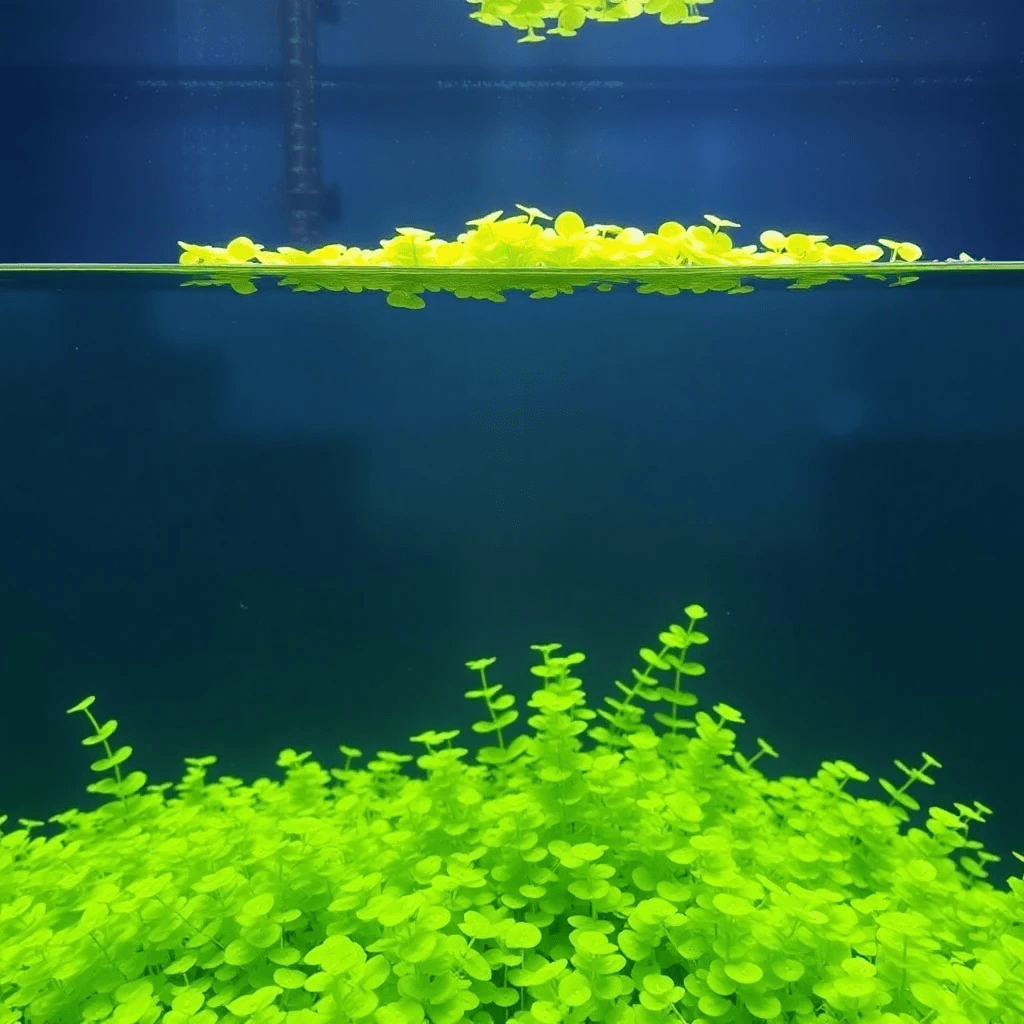
Floating aquarium plants are a topic of debate among aquarists.
Some enthusiasts appreciate their benefits, adding them to every tank, while others avoid them due to potential challenges.
For some hobbyists, these plants proliferate rapidly, often outpacing their ability to manage them.
Conversely, in certain setups, floating plants may deteriorate, with roots detaching and leaves yellowing.
Understanding these differing experiences is key to successful integration.
Water lettuce (Pistia stratiotes) is a common floating species.
In 2019, a proposed ban on its sale in the UK and EU was considered due to its invasive potential.
However, its inability to survive cold winters allowed it to remain available to hobbyists.
Floating plants generally thrive in aquariums with calm water surfaces.
High flow and splashing can damage their leaves, leading to decay.
Ensuring bright lighting and nutrient-rich water supports their growth.
Overstocked tanks provide ample nutrients, but liquid fertilizers can supplement as needed.
Standard aquarium LEDs typically suffice for lighting.
Some aquarists avoid floating plants due to their rapid growth, which can lead to overgrowth.
Duckweed (Lemna minor), for example, can quickly cover the water surface, making removal challenging.
Manual removal methods include scooping out surface water and filtering it through a net.
Surface skimmers can also assist in managing overgrowth.
Increasing water flow may deter floating plants, but this depends on the tolerance of tank inhabitants.
Floating plants offer several benefits to aquariums.
They diffuse light, creating a more natural environment and reducing stress for fish.
Their roots provide shelter for small fish and fry, enhancing survival rates.
Additionally, they absorb excess nutrients, helping to control algae growth.
Observing the health of floating plants can indicate nutrient levels, allowing for timely fertilization.
In newly planted aquascapes, floating plants can outcompete algae for nutrients, preventing unsightly blooms.
As submerged plants establish, the floating plant mass can be gradually reduced.
Popular floating plants include Red root floaters (Phyllanthus fluitans), which develop red leaves under certain conditions.
Water lettuce is suitable for larger tanks due to its size and long roots.
Amazon frogbit (Limnobium laevigatum) features round leaves and can spread up to 15 cm across.
Water spangles (Salvinia minima) have small leaves and short roots, making them ideal for nano aquascapes.
Incorporating floating plants into your aquascape requires consideration of their growth habits and the specific conditions of your tank.
With proper management, they can enhance the beauty and health of your aquarium. |
0 Comments
Join the conversation
Be the first to comment
Share your thoughts above.